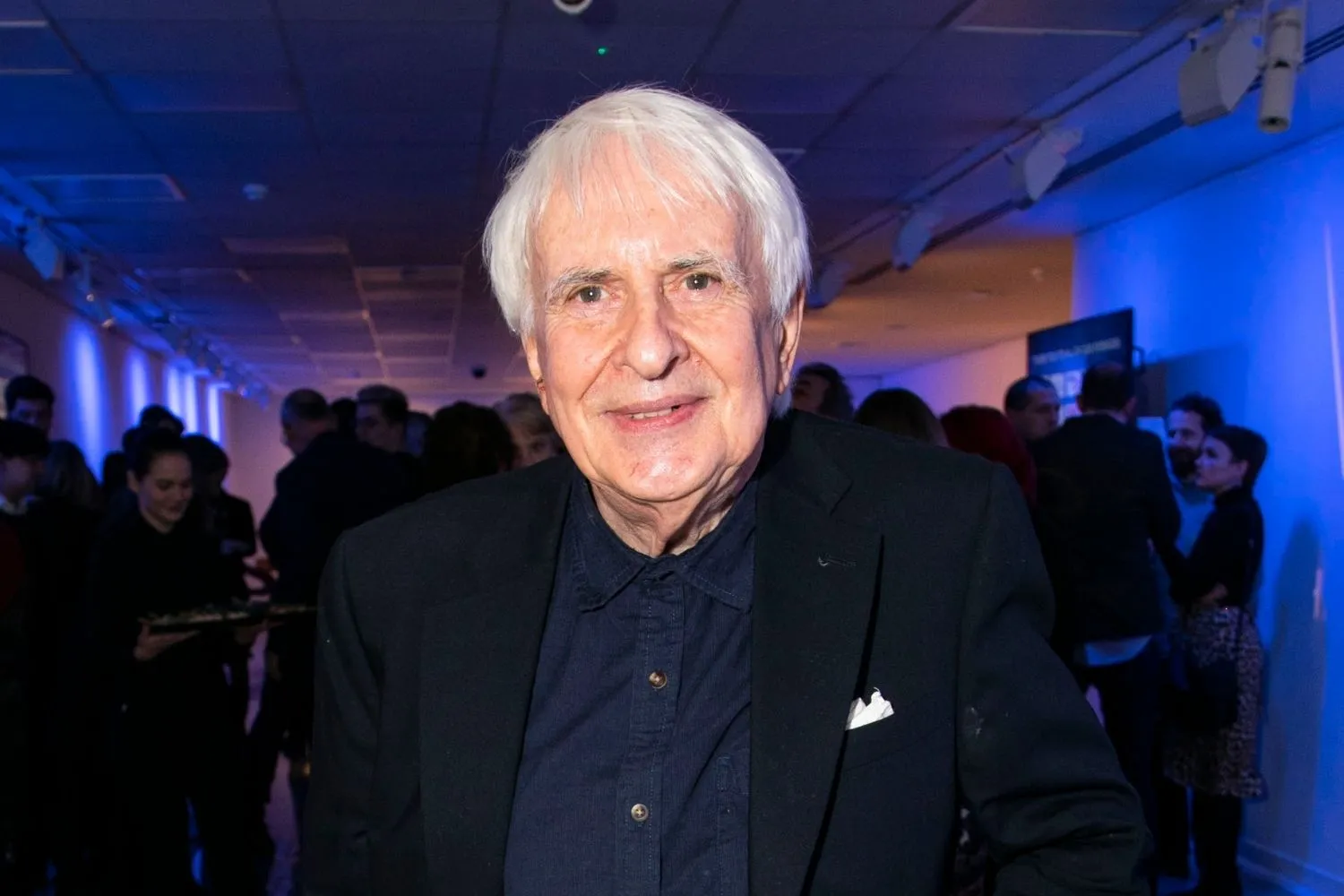
Peter Gill, influential British playwright and director, dies aged 86
Peter Gill, a major figure in modern British theatre known for his work as a playwright and director, has died aged 86. His contributions include pioneering revivals at the Royal Court, founding Riverside Studios, and shaping the National Theatre’s creative landscape.
Peter Gill was born in Cardiff in 1939 and initially trained as an actor before moving into directing at the Royal Court Theatre during the mid-1960s. He gained early acclaim for rescuing D H Lawrence’s plays from obscurity through revivals such as A Collier’s Friday Night and The Daughter-in-Law.
In 1976, Gill became the founding artistic director of Riverside Studios in Hammersmith, transforming an industrial warehouse into a multifaceted cultural venue for theatre, dance, and film. Four years later he joined the National Theatre as an associate director, where he remained for 17 years.
At the National Theatre, Gill established the National Theatre Studio in 1984, fostering creative development for theatre practitioners. His own plays include The Sleepers Den, Over Gardens Out, Small Change, Cardiff East, The York Realist, and Versailles, further marking his significance as a writer.
The Royal Court described Gill as “a major writer and director, and a great discoverer and champion of new theatre talent.” They noted that his early involvement in their Young Writers’ Group helped nurture successive generations of playwrights, reflecting a deep commitment to developing new voices.
Gill’s work was characterised by an enduring concern with class, dignity, and humanity, qualities that permeated both his directing and writing. His impact was felt widely across British theatre, from intimate stage revivals to institutional leadership.
His tenure at Riverside Studios and the National Theatre shaped some of the most vital spaces and programmes for contemporary theatre in the UK. His influence continued to resonate in the institutions he helped establish and the artists he supported.
Peter Gill’s death marks the loss of a figure central to the transformation of British theatre in the latter half of the 20th century, whose legacy remains embedded in the cultural fabric of London’s theatrical scene.