Henry Naylor’s Monstering the Rocketman critiques 1980s tabloid culture at Edinburgh Fringe
Henry Naylor’s Monstering the Rocketman, first performed at the 2025 Edinburgh Fringe, offers a sharply observed and entertaining look at The Sun’s tabloid tactics in the 1980s. The show examines the murky world behind Rupert Murdoch’s sensationalist newsroom through a mix of dark comedy and multiple character portrayals.
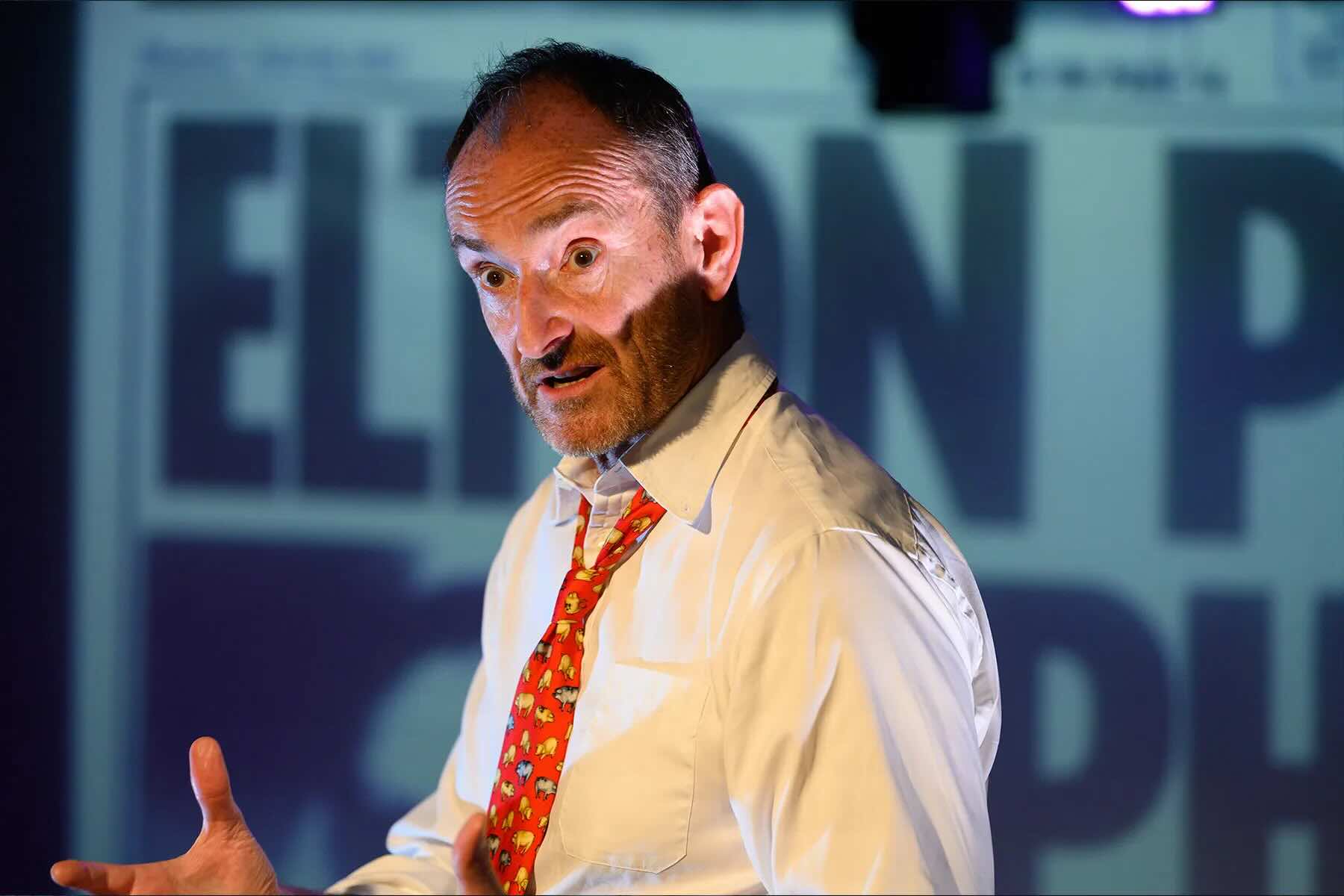
Written and performed by former Spitting Image writer Henry Naylor, Monstering the Rocketman centres on The Sun’s rise to Britain’s biggest-selling paper in 1986 under the editorship of Kelvin Mackenzie. The play portrays the tabloid’s fixation on stirring emotional reactions at the expense of truth, exemplified by its false campaign against Elton John. Naylor plays multiple characters with clarity and flair, notably capturing the menacing persona of Mackenzie.
The narrative unfolds through the eyes of “Lynx,” a 22-year-old cub reporter eager for foreign correspondence but quickly immersed in the smear-driven newsroom culture. Directed by Darren Lee Cole, the production maintains a brisk pace with minimalist staging enhanced by projections of tabloid headlines and articles, evoking the frenetic atmosphere of The Sun’s offices and London’s smoky clubs.
Monstering the Rocketman depicts contentious episodes such as the paper’s campaign against John, falsely accusing him of drug-fuelled orgies despite evidence he was recovering from surgery in Australia at the time. The play also explores The Sun’s homophobia amid the 1980s AIDS crisis, although the protagonist Lynx’s initial obliviousness to this aspect is somewhat strained. Notably absent is any reference to Page 3, an icon of the era’s tabloid culture.
The production highlights the competitive rivalries within the press, vivid newsroom language, and events like John’s extravagant 40th birthday party, underscoring the era’s spectacle. It culminates in The Sun being forced to pay damages and issue a right to reply following a fabricated story about John’s guard dogs, revealing flaws in tabloid practices.
At its core, the play questions journalistic integrity and the corrosive effect of sensationalism, underscored by a veteran Mirror reporter’s advice to John on wielding his public platform responsibly. The Rocketman himself remains distant and shadowy, reinforcing the gulf between celebrity and media representation.
Monstering the Rocketman thus situates itself as a cautionary tale on the tabloid press’s corrosive influence, reflecting ongoing debates about media ethics and sensationalism without romanticising the pre-social media era.