Andrew Lloyd Webber warns of Broadway’s crisis following Cats closure
Andrew Lloyd Webber has issued a stark warning about the future of Broadway in the wake of the announced closure of his Cats revival. The composer expressed deep concern over the financial challenges facing new productions on the iconic New York theatre scene.
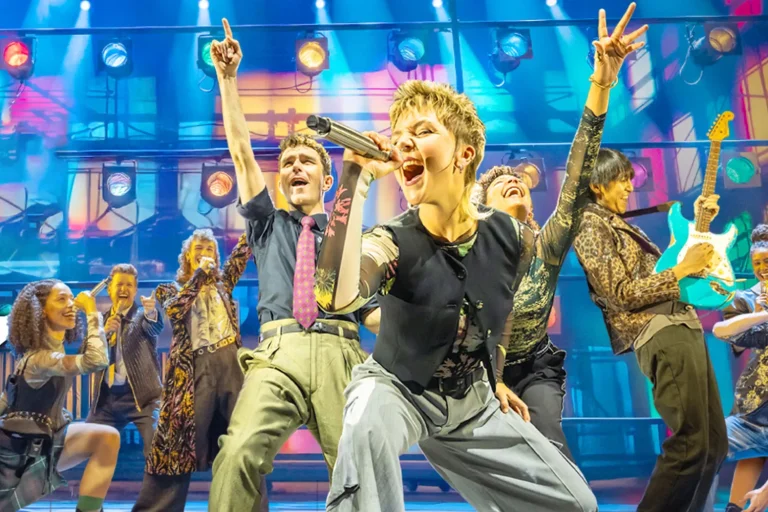
Andrew Lloyd Webber’s recent statement comes as the hit revival of his musical Cats, also known as The Jellicle Ball, confirmed it will close in less than a month despite having extended its run to January 2027. The production had earned two Tony Awards during its New York stint but will end its short-lived return ahead of schedule.
Reflecting on his long relationship with Broadway, Lloyd Webber noted that the current environment renders bringing almost any new show to the district financially unviable. He highlighted that rising costs and shrinking returns force many creators to accept minimal royalties and fixed weekly fees rather than profit-sharing arrangements.
Lloyd Webber drew parallels with Hollywood’s “empty soundstages,” warning that Broadway risks becoming a place of increasingly dark theatres where bold, original work struggles to survive. “What is happening in front of everyone who cares about it now breaks my heart,” he said.
The composer lamented that investors are also wary of risking their capital amid uncertain returns, which threatens the prospects for new shows and the next generation of theatre makers. He pointed out that Broadway’s creative and commercial life cannot be sustained solely by a handful of long-running hits.
Known for his earlier Broadway hits such as Jesus Christ Superstar and more recent ventures like School of Rock, Lloyd Webber underscored his continued affection for the theatre district and his hope for future possibilities. He urged theatre owners, unions, and producers to urgently collaborate on solutions.
This warning arrives months after it was confirmed that Lloyd Webber and Tim Rice’s Evita, starring Rachel Zegler, is set to open on Broadway early next year, emphasising the ongoing investment in established names despite wider concerns.
In calling for collective action, Lloyd Webber emphasised that Broadway is more than a physical location; it is a vital cultural idea at risk. Without intervention, he suggested, the future of new and daring theatrical works in America’s theatre capital is in jeopardy.