
How to Choose the Right West End Musical: Families, Couples, Friends and Solo Trips
Choosing a West End musical is easier when you match the show to your travel style. Whether you are planning a family day out, a date night, a friends trip, or a solo evening, this guide helps you compare tone, timing, seating, and budget, so you book with confidence today.
Start Here: The 7 Filters That Decide Whether a Show Fits

Before you compare star ratings or chase the biggest title, run each option through these seven filters. This simple check prevents most booking regrets and helps you choose a West End musical that actually suits your group, energy, and budget.
- Tone and emotional energy: Decide the mood first: uplifting, comic, dramatic, intense, or bittersweet. A brilliant show can still feel wrong if its emotional tone clashes with your evening plans.
- Runtime and stamina: Check total length, including interval. A longer production may be perfect on a relaxed day, but tougher after travel, heavy sightseeing, or a late dinner.
- Age suitability and content sensitivity Review guidance for language, mature themes, loud sound design, and potentially scary moments. This matters for families, mixed-age groups, and anyone sensitive to intensity.
- Music style preference: Match the score to your taste: pop/jukebox, classic musical theatre, contemporary composition, or dance-heavy performance style. Music fit often predicts enjoyment better than plot summaries.
- Visual scale vs story intimacy: Choose between large-scale spectacle and narrative-led productions. If your group loves visual wow moments, go big; if you prefer character depth, choose story-driven work.
- Budget flexibility: Set your ticket band early and be honest about seat compromise tolerance. Are you happy with upper-level distance, or do you need stronger sightlines and comfort?
- Logistics fit: Pick a slot that works with real life: matinee or evening, transport reliability, and meal timing. A good logistics match reduces stress before the curtain even rises.
West End Show “Personality Types” at a Glance
Not all West End musicals deliver the same kind of night. The fastest way to shortlist well is to match your current mood and group dynamic to a show “personality type”, then compare titles inside that category.
Big spectacle musicals
These productions focus on scale: bold staging, visual effects, large ensemble numbers, and high-impact moments.
Best for: first-time wow factor and mixed groups with different tastes, because the visual energy carries everyone along.
Comedy and feel-good musicals
Light, upbeat, and easy to enjoy, these are ideal when you want a fun evening without emotional heaviness.
Best for: couples, friends, and low-risk nights where everyone wants to leave smiling.
Family-oriented productions
Typically clearer in tone and pacing, with broad appeal across age groups.
Best for: younger children and multi-generational outings where comfort, clarity, and shared enjoyment matter.
Story-led or dramatic classics
These shows reward attention to character, plot, and emotional arcs, often with memorable musical storytelling.
Best for: theatre-lovers, couples, and solo visitors seeking depth rather than pure spectacle.
Limited-run/new productions
Fresh titles and shorter booking windows create urgency and buzz, with potentially less predictability.
Best for: repeat visitors and flexible planners who enjoy discovering something current.
Your mood tonight → best show type
- I want maximum wow: Big spectacle musical
- I want a relaxed, fun night: Comedy/feel-good musical
- I need all-ages compatibility: Family-oriented production
- I want emotional storytelling: Story-led or dramatic classic
- I want something fresh and buzzy: Limited-run/new production
How to Choose for Families

Family theatre planning works best when you treat it as a comfort-and-stamina decision, not a popularity contest. A famous title can still be the wrong choice if the runtime is too long, the sound is too intense, or the finish is too late for your child’s rhythm. The goal is simple: pick a show your child can enjoy all the way through, without overload or meltdown risk.
Pick by child age band, not by poster popularity
Start with age reality. For under-7s, use extra caution: attention spans are shorter, loud effects can feel overwhelming, and late finishes can derail the whole evening. For ages 8–12, you get the sweet spot for many family productions: better plot tracking, stronger stamina, and excitement that lasts past the interval. Teens usually tolerate longer runtimes and more layered themes, so you can broaden the shortlist to include story-led or emotionally heavier shows.
If siblings are far apart in age, choose for the younger child’s limits first. It is better to leave wanting more than to spend Act Two managing exhaustion.
Family-safe planning checklist
- Age guidance is non-negotiable: verify official recommendations before buying.
- Runtime + interval suitability: check total length and whether your child can realistically sustain focus.
- Noise/sensory considerations: review production notes for loud sound, sudden effects, or dark thematic moments.
Matinee strategy for smoother family nights
For most families, matinees are easier to execute. You avoid end-of-day travel fatigue, reduce bedtime disruption, and keep dinner timing flexible. A matinee also gives you recovery space if transport runs late or queues move slowly. Evening shows can still work for older children, but they require tighter energy management and a more disciplined pre-show schedule.
Seating strategy for families
Prioritise a clear, central view so children can follow the story without constant repositioning. Then balance that with aisle practicality for interval breaks. For younger children, avoid very steep levels and extreme side angles where sightlines are harder and movement can feel uncomfortable. A slightly pricier but clearer seat often delivers better value than a cheaper seat that causes frustration for two acts.
Budget strategy for families
Set your non-negotiables before searching: view, timing, comfort. Then optimise the date, not the visibility. In practice, a weekday matinee with good sightlines is usually a smarter family saving move than a peak-time ticket with compromised angles. Save money where the child will not feel it; do not cut on the basics that shape their entire experience.
How to Choose for Couples

A strong date-night musical is less about “the biggest show in London” and more about fit: your shared mood, your energy after the day, and how much structure you want around the evening. Couples usually have the best experience when they agree the vibe first, then book around logistics.
Match the show to the date-night mood
Start by choosing the emotional tone of the night. If you want easy chemistry and low pressure, pick something light and funny. If you both enjoy meaningful storytelling, go for a deeper, more emotional production. If you want momentum and spectacle, choose a high-energy show with big visual payoff. None is “better” in general; the right answer is the one that matches how you want to feel together at 10 pm.
A practical rule: uncertain mood = safer with feel-good; confident shared taste = go deeper.
Pre/post-show timing design
Decide early whether you are doing dinner-first or show-first. Dinner-first works well for evening performances if you keep it nearby and time-boxed. Show-first suits couples who prefer a relaxed meal afterwards without clock pressure. The biggest mistake is overpacking: long travel + rushed dinner + late curtain can turn a romantic plan into a logistics drill.
Keep one buffer between each block (travel, meal, theatre). Date nights feel better when nothing depends on perfect timing.
Best seating priorities for couples
Prioritise shared comfort and clean sightlines over “closest possible” seats. A balanced central position often creates a better experience than very front rows or extreme side angles. If budget allows, pay for easier viewing and legroom first; that upgrade usually improves the whole evening more than a prestige seat label.
Romance premium is fine, but only if the fundamentals are covered: view, comfort, and stress-free timing.
Avoiding date-night friction
Most theatre-date tension comes from unspoken assumptions. One person expects light fun, the other books an intense three-hour drama; one expects supper after, the other is starving by interval. Prevent this with a 60-second alignment chat before payment.
- Don’t surprise your partner with a long or emotionally heavy show unless you know they want that.
- Agree tone and runtime before checkout.
- Confirm end time against travel and next-day commitments.
How to Choose for Friends

Planning a West End night with friends can be brilliant or chaotic, depending on how you decide. The trick is to use a clear method before anyone starts dropping random links in the group chat. When roles, budget limits, and decision rules are defined early, booking becomes quick and surprisingly drama-free.
Group consensus method that actually works
Use the “Veto + vote + backup” model. First, everyone gets one veto for genuine deal-breakers (for example, very long runtime, intense themes, or no evening availability). Next, vote between the remaining options. Finally, lock one backup show in case prices move or availability drops while you are checking out. This avoids the classic loop where one person refuses every option at the last second.
- Veto: one per person, no debates.
- Vote: quick ranking, not endless discussion.
- Backup: pre-approved second choice.
Pick by group energy profile
Choose the show style based on your group’s social energy, not just reviews. A chatty/fun group usually does better with comedy or high-energy productions. A theatre-nerd group may prefer story-led classics or musically complex shows. A mixed group often needs the safest middle: strong visuals, clear pacing, and accessible tone.
If energy expectations differ, pick the option with the highest “no-regret” score, not the most niche favourite.
Seat block strategy
For groups, perfect adjacency is helpful but not always essential. If inventory is tight, choose near-together seats in the same central zone rather than forcing everyone into poor side angles just to stay in one exact row. In most theatres, central sightlines matter more to overall enjoyment than sitting shoulder-to-shoulder in a compromised position.
Priority order: central view quality first, then closeness, then row perfection.
Price fairness approach
Set one budget ceiling for everyone before searching. This prevents awkward “I can’t do that price” messages at checkout. If some friends want premium seats, use an optional split rule: core group books within agreed band, premium upgrades are self-funded without pressure on others.
Friends-night logistics
Set a fixed arrival window and one meet point near the theatre. If you are adding pub or dinner plans, choose venues within easy walking distance and keep the booking duration realistic. After the show, agree transport home in advance so the night ends smoothly rather than in a crowded pavement debate.
How to Choose for Solo Trips

Solo theatre is one of the easiest ways to enjoy the West End well. You can choose exactly what you want, book when it suits you, and avoid group compromise on budget, tone, or timing. If you plan the evening with the same care you would give any city night out, solo does not feel awkward at all — it feels efficient, calm, and surprisingly premium.
Why solo West End is often the easiest booking type
Single-ticket flexibility is your biggest advantage. You can target quieter dates, choose matinee or evening at short notice, and often find high-value seats that are hard to secure in pairs or groups. You also avoid the usual group friction: no long chat threads, no split preferences, no last-minute budget disagreements.
In practice, solo visitors often book faster and sit better because they can act immediately when a strong single seat appears.
Best show types for solo visitors
Solo audiences usually do best with productions that reward attention and personal immersion. Strong options include story-led musicals with rich character arcs, critically praised productions where craft and performance quality are the draw, and visually immersive shows that create a full sensory experience even without shared commentary. Choose what genuinely interests you, not what seems “socially safest”.
Solo seat strategy
Prioritise central single seats with clear sightlines. These seats appear frequently as late inventory changes, so check trusted channels regularly in the final days. Keep comfort high on your priority list: legroom, viewing angle, and easy row access matter more than getting as close as possible. A balanced central seat usually beats a very near side seat with compromised perspective.
Safety and confidence tips for solo evenings
Plan your route before leaving, including one backup option. Check last-train timing, night bus alternatives, or licensed ride options if you expect a late finish. On exit, move with the main audience flow towards well-lit streets and active transport points. Keep your phone charged and ticket details saved offline in case signal is patchy.
Turn solo theatre into a strong London evening
Build a simple rhythm: pre-show walk or café near the theatre, focused showtime, then a clear post-show route home. This structure makes the night feel intentional rather than improvised. If you want a relaxed pace, choose an earlier performance and finish with a nearby late supper.
Date & Time Strategy by Trip Type

The same show can feel completely different depending on when you go. Choosing the right slot is not just about convenience; it affects energy, crowd levels, ticket value, and how smoothly your evening runs from door to door.
Matinee vs evening by audience type
Families usually benefit from matinees: children are fresher, travel feels simpler, and bedtime disruption is smaller.
Couples often prefer evening performances for atmosphere, especially with dinner before or after.
Friends should choose by the wider social plan: matinee if you want a long day together, evening if theatre is the headline event.
Solo visitors should decide by transport comfort: pick the slot that gives the easiest, safest return journey.
A practical rule: if timing stress is likely, matinee is usually the safer choice.
Weekday vs weekend trade-offs
Weekdays often bring better value and slightly calmer movement around Theatreland, with more flexibility in comparable seating bands. Weekends are convenient but typically busier, with stronger demand on popular titles and prime seat zones. Inventory can tighten faster on Friday and Saturday evenings, so waiting too long can leave only expensive or compromised options.
If your dates are fixed, book earlier. If your dates are flexible, test midweek first.
Seasonal pressures
School holidays and the Christmas period increase demand quickly, especially for family-oriented productions and big-name shows. Seasonal rail engineering works, winter weather, and heavy tourist footfall can also add friction to travel times. During peak periods, build larger buffers and avoid back-to-back schedules that rely on perfect transport timing.
Best slot if you’re…
- Family: weekend or holiday matinee with early arrival buffer.
- Budget pair: midweek evening or off-peak matinee.
- Group of mates: slot matched to dinner/pub plan, with fixed meet time.
- Solo visitor: performance that aligns with your most comfortable route home.
Seating Strategy by Trip Type
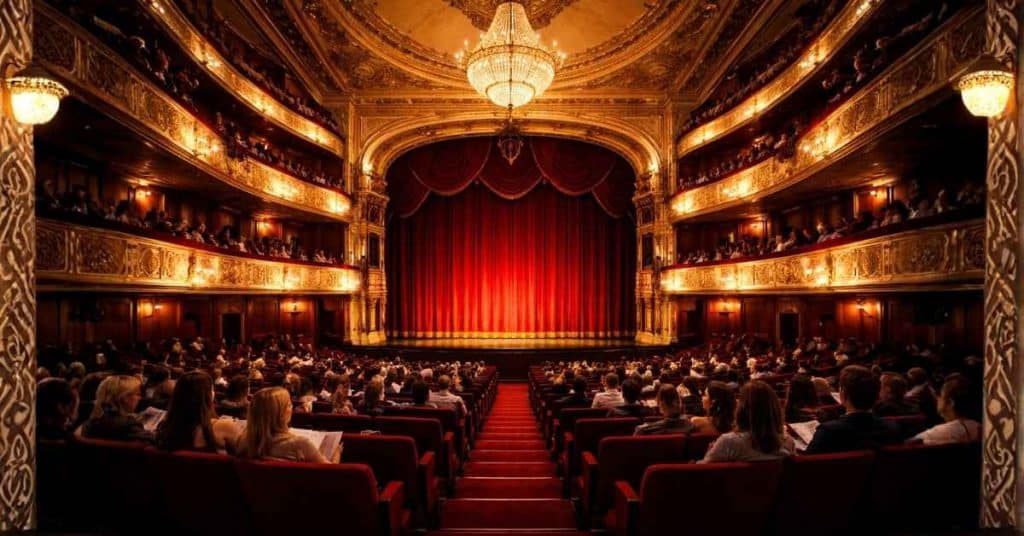
Good seat selection is less about chasing the “best seat in the house” and more about matching view, comfort, and price to your group. In West End theatres, older architecture means big variation between sections, even within the same price band. Use trip type as your decision anchor and you will avoid most first-time regrets.
Stalls vs dress circle vs upper levels in plain language
Stalls usually feel the most immersive: you are closer to faces, costumes, and stage detail. The trade-off is perspective. If you are very near the front or far to the side, you may miss wider choreography or upstage action.
Dress Circle often gives the best all-round balance for many visitors: clearer full-stage picture, better depth perception, and less neck strain.
Upper levels can offer strong value and a useful overview, but distance reduces facial detail, and front rows may be affected by rails or steeper angles.
Restricted view — acceptable when?
Restricted view can be acceptable when the discount is substantial and expectations are realistic. It is usually a poor fit for most first-timers and many families, because blocked edges or awkward angles can remove key story moments. Repeat visitors and flexible solo theatregoers may tolerate it better, especially if they prioritise budget and are comfortable with partial visibility.
Simple rule: if this is your one big theatre night, pay for clarity. If it is an extra outing, compromise may be fine.
Comfort factors that affect enjoyment
- Legroom: varies sharply by row in older venues; tall visitors should check this first.
- Seat pitch: tighter pitch can make long shows feel much longer.
- Side angle: extreme left/right seats may hide entrances or scenic transitions.
- Rails/overhang: common in upper tiers and can cut lower-stage visibility.
Trip-type seat recommendations
- Families: choose a balanced central view with practical aisle access for interval breaks.
- Couples: aim for central comfort and value, not just proximity to the stage.
- Friends: prioritise similar view quality for everyone, even if not in one exact row.
- Solo: target the best-value single seat with a clean, central sightline.
| Trip type | Top seat priority | Acceptable compromise |
|---|---|---|
| Families | Clear central view + easy in/out access | Sit a little farther back to gain better angles and calmer comfort |
| Couples | Shared comfort and balanced sightline | Choose mid-band seats on a better date rather than paying peak premium |
| Friends | Experience parity across the group | Near-together central seats instead of exact adjacency at poor angles |
| Solo visitor | High-value single seat with clean view | Take late-release single inventory in a higher tier if sightline stays strong |
Ticket Buying Strategy Without Risk
The safest ticket strategy is simple: buy from sources that clearly show seat location, full price, and terms before payment. Most bad outcomes come from rushing checkout or chasing a headline discount without checking details. If you treat ticketing as a verification process, not a race, you will avoid nearly all preventable mistakes.
Trusted purchase routes
Start with official ticketing platforms linked by the production or theatre, then compare with the venue box office. These routes are usually best for accurate seat data, policy clarity, and support if something changes. Reputable partners can also be useful, but only when they display section/row information, transparent fees, and clear contact details.
- Use direct, verifiable sellers first.
- Confirm ticket type (e-ticket, collection, or print-at-home).
- Keep confirmation emails and screenshots saved offline.
When last-minute works (and when it doesn’t)
Last-minute buying works best when your plan is flexible. It is risky when your evening depends on one exact show, date, and seating zone.
- Families: usually better to book ahead for age-fit timing and smoother logistics.
- Couples: last-minute can work if mood is flexible; avoid if dinner and transport are tightly scheduled.
- Friends: harder to coordinate late unless everyone accepts near-together seating and one budget cap.
- Solo: often strongest candidate for last-minute value, especially for central single-seat releases.
Hidden cost awareness
Always compare final payable total, not the first price shown. Checkout amounts may include booking fees, service charges, and optional add-ons. Dynamic pricing can also move quickly on popular dates. If two tickets look similar, the better value is the one with the stronger sightline and comfort at the final total, not the lowest initial number.
Red flags
- No seat details: vague “best available” wording with no section/row context.
- Suspicious sellers: unclear business identity, weak support options, or pressure-heavy language.
- Unrealistic bargains: prices far below market at peak times with urgent payment demands.
Practical Theatre-Day Planning for Each Group

A great West End night is usually won before the show starts. Use a simple operational plan: arrive early, carry less, keep documents ready, and agree what happens if travel goes wrong. Most first-time stress comes from avoidable timing mistakes, not from the performance itself.
Arrival targets
Aim to be in the Theatreland area 45–60 minutes before curtain, then at the venue doors 30–40 minutes before start time. That buffer covers security checks, ticket scanning, loo queues, and finding your row without rushing. If your group includes children, older relatives, or accessibility needs, add an extra 10–15 minutes.
Bag, documents, and phone readiness
Keep essentials light and easy to reach. Bring only what you need: ticket (plus screenshot backup), phone charger or power bank, payment card, and any medication. Avoid oversized bags that slow entry and create storage problems. Open your e-ticket before joining the queue and increase screen brightness for faster scanning.
If transport fails
30-minute rescue plan:
- T-30: Switch immediately to your backup route (no repeated re-planning).
- T-20: Message your group with ETA and final meeting point.
- T-15: Keep ticket and booking reference ready; call venue if delay is serious.
- T-10: Skip non-essentials (bar/photos) and go straight to seats on arrival.
Group-specific operational tips
- Family: schedule toilet breaks before curtain and at interval, not “just in case” during Act One.
- Friends: set one fixed meet point and one hard arrival time to avoid split arrivals.
- Couples: choose a no-rush dinner window within walking distance of the theatre.
- Solo: save a safe-route backup home, including late transport options.
Common Mistakes by Trip Type
The same booking can feel brilliant for one group and wrong for another. Use these quick corrections to avoid the most common trip-type errors before you pay.
-
Families: Mistake → choosing by brand popularity, not age and stamina.
Consequence → tired children, mid-show restlessness, and a stressful second act.
Better move → filter by youngest child first: age guidance, total runtime (including interval), and sensory intensity. -
Couples: Mistake → picking an intensity mismatch (one expects light fun, the other gets a heavy drama).
Consequence → flat date-night mood and “that wasn’t what I expected” tension.
Better move → align on tone and end time before checkout, then build dinner plans around the show, not against it. -
Friends: Mistake → voting on shows before agreeing a budget ceiling.
Consequence → group chat gridlock, last-minute dropouts, and scattered seating.
Better move → set one shared budget first, then use a quick veto + vote + backup method to lock a choice fast. -
Solo: Mistake → prioritising the absolute cheapest seat over route comfort and timing.
Consequence → awkward late return, extra stress, and lower overall enjoyment.
Better move → choose a clean-sightline single seat that still supports a safe, simple journey home.
Pattern to remember: pick for fit, not hype. When tone, stamina, budget, and logistics line up with your trip type, the night usually works.
Three Fast “Done-for-You” Shortlisting Plans
If you do not want to overthink your shortlist, use the plan that matches your trip type and run it exactly in order. These quick workflows are designed to cut decision fatigue, reduce booking mistakes, and get you to a confident choice fast.
15-minute Family Plan
Minute 1–5: Age filter first. Remove any show that does not suit your youngest child’s age guidance or sensitivity profile.
Minute 6–10: Runtime second. Check total duration including interval and reject anything likely to exceed your child’s stamina window.
Minute 11–15: Seating third. Prioritise clear central views with practical aisle access for interval breaks.
Final rule: if forced to compromise, compromise on date before compromising on visibility and comfort.
15-minute Couples Plan
Minute 1–5: Mood alignment first. Decide tonight’s tone: light/fun, deep/emotional, or high-energy spectacle.
Minute 6–10: Timing second. Choose dinner-first or show-first, then confirm end time against transport and next-day plans.
Minute 11–15: Value seats third. Target central comfort over “closest possible” positioning.
Final rule: never book before both people agree on tone and runtime.
15-minute Friends Plan
Minute 1–4: Set budget ceiling. One maximum spend for everyone, no exceptions mid-checkout.
Minute 5–8: Veto + vote. Each person gets one veto, then vote on remaining options.
Minute 9–12: Lock backup show. Approve a second option in case inventory changes.
Minute 13–15: Seat and logistics check. Prioritise central near-together seats and confirm one meet point.
Final rule: shared experience quality matters more than perfect row adjacency.
10-minute Solo Plan
Minute 1–3: Pick a flexible performance slot (matinee or evening) based on your most comfortable route home.
Minute 4–7: Scan for the best-value single central seat with a clean sightline.
Minute 8–10: Save your post-show return plan (primary + backup transport option) and book.
Final rule: choose overall ease and safety, not just the lowest price.
Conclusion: Pick the right night, not just the biggest title
The best West End musical is not the one with the loudest buzz; it is the one that fits your people, your pace, and your plan. Families need age-fit timing and comfort. Couples need mood alignment. Friends need budget clarity and a quick decision system. Solo visitors need flexibility and a smooth route home. When those pieces line up, the show almost always lands better.
Before you book, keep it simple:
- Shortlist 3 shows that match your trip type.
- Apply the 7 filters to each one honestly.
- Book through a trusted source and move forward with confidence.
Do that, and your first—or next—West End night is far more likely to feel effortless, memorable, and worth every pound.
Frequently Asked Questions
Is a matinee better for children?
In most cases, yes. Matinees usually match children’s energy levels better, reduce bedtime disruption, and make transport simpler. You also get more recovery time if queues are longer than expected. For younger children, a matinee plus a shorter runtime is usually the safest combination.
What’s the safest way to buy tickets?
Use official theatre box offices, official production links, or clearly authorised ticketing partners. Check seat details, total price, and terms before paying. Avoid unverified social-media sellers and vague listings without section or row information. If anything looks unclear, pause and verify before checkout.
Can we choose a show if our group has mixed tastes?
Yes, but use structure. Start with one veto per person for true deal-breakers, then vote on the remaining options. Mixed groups usually do best with broad-appeal shows: strong visuals, clear pacing, and accessible tone. Keep one backup choice ready in case availability shifts.
Is restricted view ever worth it for first-timers?
Sometimes, but usually only when the discount is significant and expectations are realistic. For first-timers, restricted view can hide key staging and reduce overall impact. If this is your one big West End night, paying a little more for a clear sightline is normally the better value.
What’s the best area to sit for a first visit?
A central seat in mid-stalls or Dress Circle is often the most reliable first-visit choice. You get a balanced view of the whole stage without extreme side angles. Front rows can feel immersive, but they are not always the easiest for full-stage perspective.
Are solo theatre trips common in London?
Very common. West End audiences include plenty of solo visitors, especially on weekdays and matinees. Solo booking is often easier because single seats appear in strong positions at different price points. If you plan your route home properly, solo theatre can be one of the smoothest ways to visit.
How far in advance should families book?
For school holidays, weekends, and popular family titles, book as early as practical to secure better timing and seat options. For quieter midweek periods, you may have more flexibility. Family planning is usually easier when tickets are sorted early and logistics are built around them.
Can couples still get good seats last minute?
Yes, especially if you are flexible on show choice, date, or price band. Midweek often gives better odds than peak weekend slots. If the evening depends on one specific show and dinner schedule, booking earlier reduces stress and improves your chance of getting balanced, comfortable seats.
What if one friend has a much lower budget?
Set a group budget ceiling before voting on shows. This prevents awkward dropouts at checkout. If some people want premium seats, use an optional split: core group stays within the agreed range, and upgrades are self-funded. Keep fairness clear early and the plan stays friendly.
How early should we arrive as a group?
Aim to be in the theatre area 45–60 minutes before curtain and at venue doors 30–40 minutes before start time. Groups move slower than pairs, so extra buffer helps with security, ticket scanning, and finding seats together. Add more time if children or access needs are involved.
Is smart-casual acceptable for all shows?
Yes, smart-casual is the normal standard across the West End. You do not need formalwear unless you want it. Prioritise comfort, weather-appropriate layers, and shoes you can walk in. Looking polished is great, but feeling comfortable for the full runtime matters more.
What if we’re late?
Late entry is usually controlled by front-of-house teams, and you may be seated only at a suitable break in the performance. That can mean missing part of Act One. If delayed, keep moving, have tickets ready, and contact the venue if the delay becomes significant.
Which show type is lowest-risk for newcomers?
For most first-timers, feel-good or visually strong broad-appeal musicals are the lowest-risk choices. They tend to be easier for mixed groups and less dependent on prior theatre knowledge. If uncertain, choose clear storytelling, moderate runtime, and a tone that feels welcoming rather than heavy.
Are evening shows too late for younger children?
They can be, depending on age, commute, and total runtime. Younger children often cope better with matinees because energy is higher and bedtime disruption is lower. If you choose an evening show, keep pre-show plans light and prepare for a slower journey home.
Should we prioritise central seats over front rows?
Usually, yes. Central seats often provide cleaner sightlines and a better full-stage picture, especially for first-time visitors. Very front rows can be exciting but may reduce depth perspective and comfort. If your budget is fixed, choose balanced central viewing before chasing proximity.
Are e-tickets reliable?
Yes, they are reliable when purchased from trusted sellers. Save a screenshot of the code, keep your booking email offline, and bring a charged phone. A simple backup habit prevents entry problems if signal drops or apps load slowly at busy theatre entrances.