
Top Pre-Theatre Dining Areas: Where to Eat Before the Show in London
Pre-theatre dinner should feel like the smooth start of your night—not a countdown to curtain. In this guide, you’ll choose the right dining area first, then the right table, using walk-time logic, service-speed reality, and smart backup options. Expect practical neighborhood picks, timing rules, and low-stress plans that keep you fed and on time.
The Pre-Theatre Timing Math (So You Don’t Miss Curtain)
Pre-theatre dining in London works best when you treat it like a simple operations problem: you’re not “going for dinner,” you’re building a schedule that protects curtain time. The goal is a calm arrival, a quick bathroom stop, and enough buffer to find your seat without sprinting through the foyer.
Your “90-minute runway” rule (and what changes it)
As a default, plan to finish eating and start heading toward the theatre 90 minutes before curtain. That sounds conservative, but it absorbs the small delays that regularly derail evenings.
- Start time: your real deadline isn’t curtain time; it’s the moment you want to be inside the venue and settled.
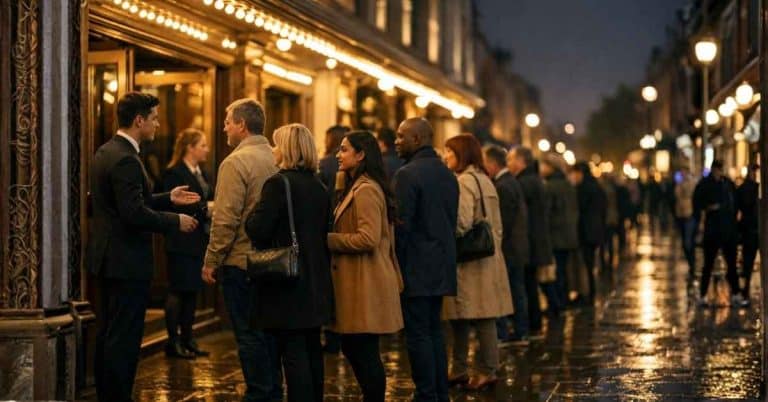
- Queueing: even with a reservation, London’s busiest areas can add waiting time for your table, your bill, and the exit.
- Cloakroom: coat checks can create bottlenecks, especially in winter or rainy weather.
- Toilets: pre-show toilet queues are a law of nature. Build them into the plan rather than hoping you’ll “be fine.”
- Security checks: bag checks can be quick or slow depending on venue, staffing, and crowd volume.
- Late seating policies: some shows restrict late entry or seat you only at a suitable break, which can mean missing key opening minutes.
Practical takeaway: pick your show first, then build dinner around the fixed curtain time. A quick check of start times on MusicalsAndTickets.co.uk helps you set a realistic “leave by” time before you even choose the restaurant.
Why early dining is booming (and what that helps you)
Early dining isn’t niche anymore. Booking a table around 4–6pm or 5–6:30pm has become normal, which is great news for theatre-goers because it matches the rhythm of London performance schedules.
- More restaurants are built for it: kitchens are staffed, menus are streamlined, and service is structured to move efficiently.
- Better booking success: you’re less likely to fight for the “prime” 7:30pm dinner slot that clashes with most curtains.
- Less stress, better experience: you can actually enjoy your food instead of speed-eating while checking the time every two minutes.
The two safe booking windows
1) Pre-curtain (the classic): book early and run it like a timed mission.
- Choose an early table: aim for a start time that gives you a full meal without forcing a sprint.
- Use a hard “leave by” time: decide it in advance and stick to it, even if dessert looks tempting.
- Tell the restaurant your timing: a simple “We have a show tonight” helps them pace service properly.
2) Post-show (the reverse flow): skip the pre-curtain rush and eat after.
- Why it works: you remove timing pressure before the show and often get a more relaxed dining experience.
- Reality check: not every area stays lively late on every night, and you may need to choose places known for later hours.
- Best for: people who hate rushing, and anyone who prefers a calm pre-show routine (arrive early, grab a drink, settle in).
30-Second Cheat Sheet: Pick Your Dining Zone
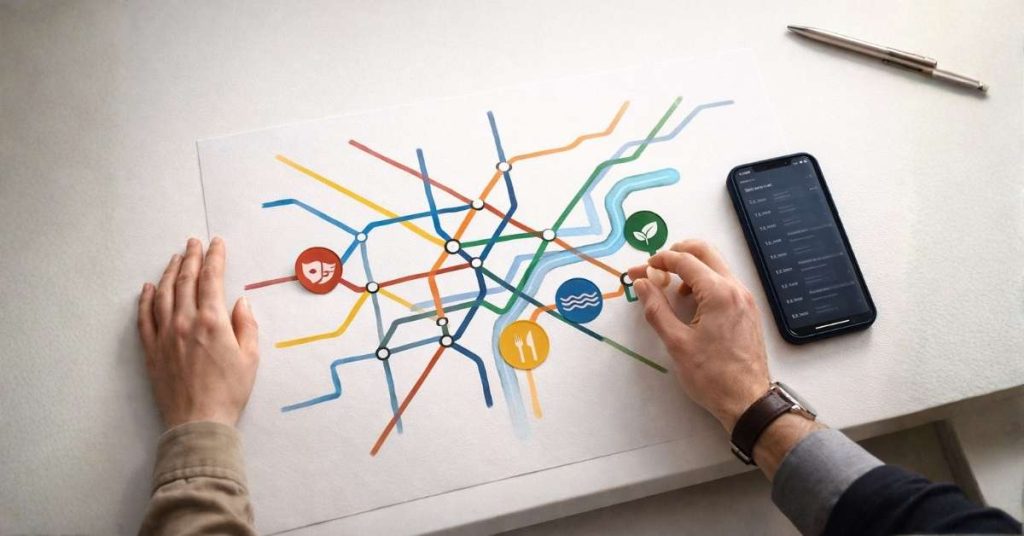
If you want a pre-theatre meal that doesn’t turn into a sprint, don’t start by Googling “best restaurants.” Start by picking the right zone. The zone choice controls your walking time, your backup options, and how much chaos you’re inviting into your evening.
Choose 1 of 3 (fast decision box)
- Maximum convenience (Theatreland core): Covent Garden / Seven Dials OR Soho / Chinatown / Leicester Square
- Calmer, still close: Fitzrovia
- Riverside / National Theatre nights: South Bank / Waterloo
Tiebreaker: If you’re unsure, pick the zone with the shortest, simplest route to your theatre and keep a 10–15 minute buffer.
If your theatre is around Covent Garden / Drury Lane / Strand → choose Covent Garden / Seven Dials
This is the classic “Theatreland” dinner zone: dense, walkable, and packed with options for every budget. It’s ideal when you want a predictable route, a short walk after dinner, and plenty of backup choices if your first pick is full. Use Seven Dials as your flexibility upgrade when you need speed and variety without stress.
If your theatre is around Shaftesbury Avenue / Chinatown edge → choose Soho / Chinatown / Leicester Square
This cluster is the high-energy, high-choice option. Soho gives you modern restaurants and quick plates; Chinatown is the fast-turnover “we have 60 minutes” rescue plan; Leicester Square sits in the middle as a practical hub. It’s perfect for spontaneous evenings, but timing discipline matters because queues and crowds can spike.
If your theatre is around Oxford Street / Tottenham Court Road edge → choose Fitzrovia
Fitzrovia is the calm edge-of-West-End move: fewer tourist bottlenecks, more breathing room, and often easier reservations. You’re still close enough to reach many theatres quickly, but you’re less likely to get trapped in dense crowds. Great choice when you want a quieter meal without sacrificing proximity.
If you’re seeing a show at National Theatre / South Bank venues → choose South Bank / Waterloo
For South Bank shows, keep your dinner on the same side of the river. It’s the easiest way to avoid last-minute bridge crossings and transport surprises. The area works especially well when you want a relaxed riverside flow: eat nearby, then stroll in instead of power-walking through central crowds.
If you want calm + less tourist crush → choose Bloomsbury / Marylebone (short ride away)
If you value quiet, space, and a more local feel, Bloomsbury or Marylebone can be a smart pre-theatre base—especially if you’re already staying nearby. The trade-off is simple: you’ll likely use a short Tube, bus, or taxi hop, so build a buffer and check your showtime first. A quick glance at start times on MusicalsAndTickets.co.uk makes this choice safer and less rushed.
Area #1 — Covent Garden: Classic Theatreland, Maximum Convenience
Covent Garden is the safest “pre-theatre default” in London because it’s built for it: theatres and restaurants are packed into a tight walkable grid. If you want the classic West End evening—dinner, lights, curtain, applause—this is the zone that makes it feel effortless (as long as you book smart).
Why it works for pre-theatre
- Dense theatre + dining ecosystem: you’re surrounded by venues and restaurants, so you can keep the route short and predictable.
- High backup density: if your first choice is full, you’re not stranded—there are options within a few minutes’ walk.
- “Make an evening of it” vibe: street energy, historic architecture, and a natural pre-show buzz make it feel like you’re doing London properly.
- Logistics-friendly: you can finish dinner and still arrive calm, because the theatre walk is usually a simple, direct one.
Best for
- First-timers: easy navigation, obvious theatre atmosphere, and plenty of familiar choices.
- Groups: lots of restaurants with higher table capacity if you book ahead.
- Celebratory dinners: birthdays, anniversaries, “we’re in London!” nights where you want a memorable setting.
- The London postcard version: if you want classic Theatreland visuals and the feeling of being right in the centre of it all.
How to do it well
- Book early: this area fills fast, especially weekends and holidays. Early tables also protect your curtain-time buffer.
- Choose set menus or pre-theatre menus: they’re designed to hit your time window without turning dinner into a slow marathon.
- Avoid long tasting formats unless you’re dining very early: anything with multiple courses and pacing surprises is risky close to curtain.
- Tell them you’re going to the theatre: it’s not awkward—it’s useful. It helps service stay on schedule.
- Do a quick showtime check first: confirm your curtain time on MusicalsAndTickets.co.uk, then set a hard “leave by” time before you sit down.
What to watch
- Tourist-heavy streets: crowds slow you down, especially around peak photo spots and market areas.
- Reservation pressure: walk-ins can be a gamble; even with a booking, you may still face small delays at peak times.
- Time creep: the biggest threat isn’t disaster—it’s “just one more round,” slow bills, and casual drifting. Use your “leave by” time like a hard stop.
Area #2 — Seven Dials / Neal’s Yard: Fast, Flexible, Low-Stress
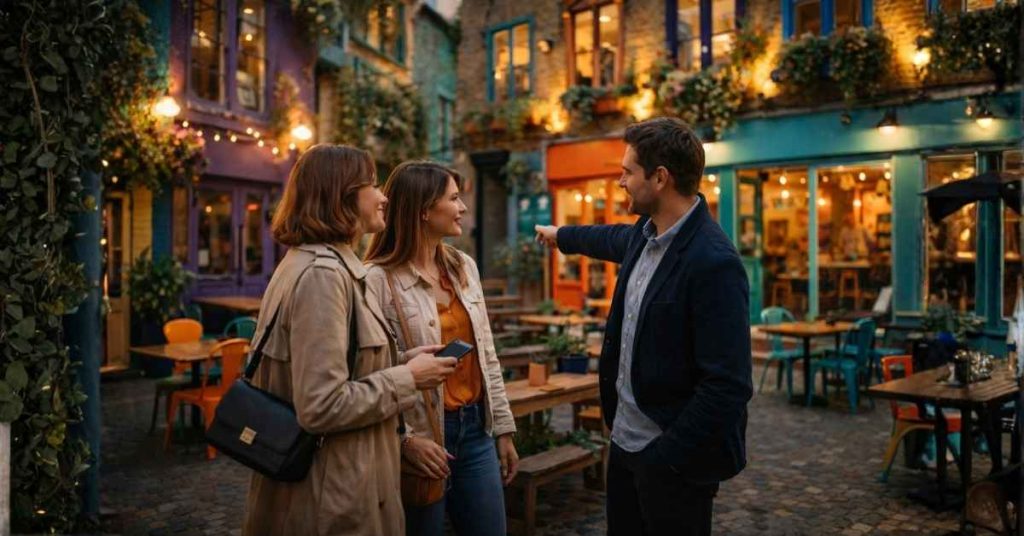
Seven Dials and Neal’s Yard are your “smooth operator” dining zone: still central, still close to theatres, but usually easier to execute than the busiest Covent Garden pinch points. It’s the area you choose when you want good food and a calm timeline—without needing a spreadsheet.
Why it’s a cheat code
- Compact and walkable: everything is close, so you’re not burning time between stops.
- Easy to pivot: if a place is full or the vibe feels wrong, you can switch fast without losing 20 minutes.
- Great for mixed tastes: you can satisfy “I want something light” and “I need real dinner” in the same small radius.
- Lower stress profile: it has Theatreland energy, but usually with less friction than the most crowded streets.
Seven Dials Market as the “safe default” for groups
- Food-hall speed + variety: ideal when your group can’t agree, or you’re dealing with different dietary preferences.
- Operationally simple: people can order in parallel instead of waiting for a single table-service timeline to behave.
- Pre/post-theatre fit is obvious: it’s built around quick, flexible eating—perfect when you want to keep your buffer intact.
- Group advantage: it’s one of the easiest ways to feed 4–8 people without turning dinner into a negotiation + queue marathon.
Best for
- Picky eaters: more choice, less pressure to “commit to one cuisine.”
- Families: faster service and a looser structure helps when kids (or adults) have limited patience.
- “We need speed but still want quality” nights: when you care about food, but the show is the main event.
- Last-minute planners: if you decided on theatre first and dinner second, this zone forgives you.
Timing tactic
- Arrive early: treat it like a pre-curtain pit stop, not a full evening hangout.
- Eat fast (on purpose): order quickly, skip “let’s browse for 20 minutes,” and keep it focused.
- Leave with buffer: aim to walk out with 15–25 minutes spare for the theatre approach, toilets, and finding your seat.
- Do the quick showtime check first: confirm curtain time on MusicalsAndTickets.co.uk before you commit, then set your hard “leave by” time and stick to it.
Area #3 — Soho: Big Choice, Big Energy, Slightly Higher Timing Risk
Soho is where pre-theatre dining turns into a proper “night out.” The upside is obvious: you get massive choice and a high-energy atmosphere. The downside is just as real: crowds, queues, and a dangerous tendency to lose track of time because everything around you feels like the main event.
Why it works
- Huge variety in a tight area: you can go from sushi to steak to tapas-level sharing without leaving the neighbourhood.
- Strong “night out” atmosphere: it’s lively, social, and feels like the city is switched on—perfect when you want the evening to start before the curtain.
- Great for quick plates + spontaneity: many spots are built around smaller dishes and faster service, which can fit a theatre timeline if you choose wisely.
- Easy to pivot: if one place is packed, you can move two streets and find another option fast—if you stay disciplined.
Best for
- Food-obsessed pairs: ideal when you care about flavour and vibe as much as the show.
- Small groups: 2–4 people can move and seat quickly; bigger groups are more likely to hit delays.
- Pre-show drinks + quick plates: the classic Soho format works well when you keep it tight and don’t over-order.
- People who can handle a little chaos: if you enjoy busy streets and a lively room, Soho delivers.
How to avoid the Soho trap
- Choose places that can serve within your time box: prioritise restaurants that are used to fast turns, pre-theatre pacing, or small-plate formats. Avoid anything that signals “slow, ceremonial dining” unless you’re eating very early.
- Book early or go purposely casual: Soho walk-ins can work, but only if you accept “first available” and don’t spend 25 minutes hunting for perfection.
- Be ruthless about “one more round”: Soho is built to tempt you into lingering. Decide your hard “leave by” time before you sit down, and treat it like a non-negotiable.
- Don’t add extra stops: the classic failure mode is drinks in one place, dinner in another, then a “quick” dessert—suddenly you’re sprinting.
- Lock the schedule first: check your curtain time on MusicalsAndTickets.co.uk, then choose a restaurant that fits the window rather than forcing the window to fit the restaurant.
Area #4 — Chinatown + Leicester Square Edge: High-Speed Eating Near Curtain
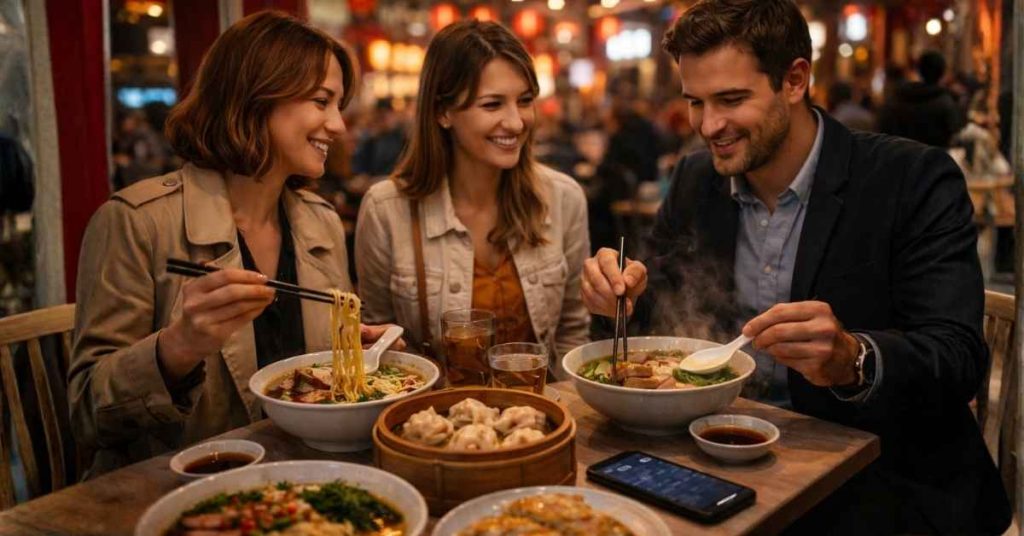
This is the “save the evening” zone when you’re late to planning or your first restaurant choice collapses. Chinatown and the Leicester Square edge are built for fast turnover: dense streets, lots of seats overall, and a rhythm that suits people who need dinner to happen quickly and predictably.
Why it works
- Density solves problems: you’re surrounded by options, so you can pivot quickly if one place is full.
- Quick turnover culture: many venues are structured for efficient service—order, eat, pay, go—without it feeling rude.
- Ideal when you’re late to planning: if you’ve got 60–75 minutes and you still want a proper meal, this is where London can actually cooperate.
- Close to a lot of theatres: you’re near major West End corridors, which reduces travel uncertainty right before curtain.
Cuisine range is broader than most people expect
- It’s not just “one kind of Chinese food”: you’ll find a broad pan-Asian mix that keeps evolving—useful when your group can’t agree on one cuisine.
- Good for groups with mixed tastes: noodles, dumplings, rice dishes, share plates, and quick mains make it easier to satisfy different appetites fast.
- Flexible ordering styles: you can eat lightly (quick soup + dumplings) or go full dinner depending on your time window.
Best for
- “We have 60 minutes” emergencies: when you need food now and you don’t want a high-drama booking hunt.
- Casual meals that don’t waste time: you can get a satisfying dinner without the full table-service pacing.
- Pre-show noodles/dumplings: fast, filling, and easy to order even when you’re watching the clock.
- Late dining options: if you’re eating after the show, this area often stays active later than quieter neighbourhoods.
Pitfalls
- Queues: popular spots can still bottleneck—don’t assume “lots of places” means “no waiting.”
- Tight seating: tables can be close, and comfort varies widely. If you need space, choose more carefully or book elsewhere.
- Noise levels: this is an energetic zone; if you want calm conversation, it may not be your best fit.
- Keep expectations realistic: the main advantage here is speed + location. If you want a long, leisurely, candlelit meal, choose Covent Garden, Fitzrovia, Bloomsbury, or post-show dining instead.
- Operational tip: confirm curtain time on MusicalsAndTickets.co.uk, then set a hard “order by” and “leave by” time so the area’s speed works in your favor rather than turning into a last-minute panic.
Area #5 — Fitzrovia: The Calm Upgrade Near the West End Edge
Fitzrovia is what you choose when you want a pre-theatre meal that feels adult, calm, and controlled—without drifting too far from the West End. It sits just outside the loudest Theatreland crush, which often means smoother reservations, easier walking, and less “tourist traffic” friction.
Why it works
- Less crush, more breathing room: compared with Soho and Covent Garden, Fitzrovia usually feels less congested, so you lose less time just moving through streets.
- Still close enough for theatre runs: you can reach many West End venues quickly, especially those toward Oxford Street, Tottenham Court Road, and the northern edge of Theatreland.
- Better execution under pressure: when your timeline is tight, calmer streets + calmer venues reduce the risk of small delays turning into a panic sprint.
Best for
- Quieter dinners: more of a “sit, talk, eat” vibe and less of a shoulder-to-shoulder pre-show rush.
- Better chance of a table: you often have more reservation flexibility than the heart of Covent Garden and Soho (especially midweek).
- Grown-up energy: great for couples, small friend groups, and anyone who wants the evening to feel polished rather than chaotic.
- People who hate crowds: if your ideal theatre night starts calm, this zone supports that mood.
How to do it well
- Book, even if it’s “not peak”: Fitzrovia is calmer, not empty. A reservation protects your schedule.
- Pick a reliable service pace: choose places known for efficient table service or pre-theatre pacing. Avoid slow, multi-course formats unless you’re dining very early.
- Keep a backup near Tottenham Court Road: if your first option falls through, you want a fast pivot point that still keeps you close to major transport and theatre corridors.
- Set a hard “leave by” time: Fitzrovia can feel so comfortable that you linger. Treat timing like a rule, not a suggestion.
- Do the showtime check first: confirm your curtain time on MusicalsAndTickets.co.uk before you book dinner, then build your dining slot around that fixed deadline.
Area #6 — Bloomsbury / Holborn: Quieter, Bookable, “Buffer-Friendly”
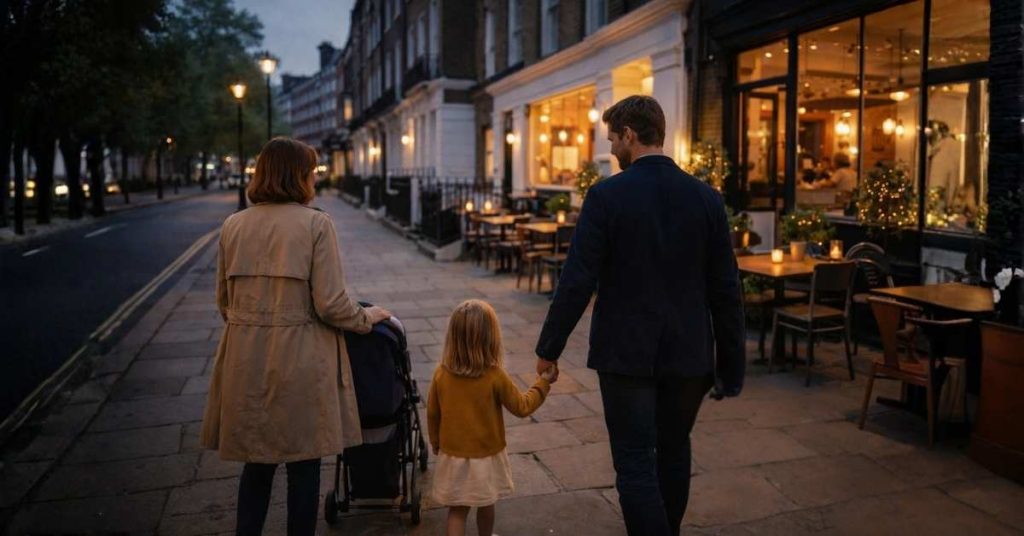
Bloomsbury and Holborn are the smart choice when you want dinner to feel controlled and predictable. You’re still close to Theatreland, but you’re not in the loudest tourist churn. That makes it easier to keep your schedule intact—especially if you hate crowds or you’re planning around kids, mobility needs, or a tighter energy budget.
Why it works
- Less hectic streets: fewer bottlenecks and less “slow walking traffic,” which protects your buffer.
- Easier to hold a time boundary: calmer neighbourhood pacing makes it simpler to arrive, eat, pay, and leave on schedule.
- More predictable dining flow: compared with the busiest parts of Soho/Covent Garden, you’re less likely to get hit by surprise queues or chaotic crowd surges.
Best for
- Early dining: ideal for a relaxed pre-curtain meal when you want a full runway and no rushing.
- Families: calmer streets and less intense venue density can make the whole evening smoother.
- Accessibility planning: when you need space, a predictable route, and the ability to keep things orderly.
- Calmer soundscapes: better for conversation and a low-stimulation start to the night.
The trade-off
- You’ll likely use a short hop: many theatre routes from Bloomsbury/Holborn involve a quick Tube, bus, or taxi rather than a simple “walk out and you’re there” path.
- Plan a transport buffer: add extra minutes for station access, platform changes, traffic, or a slow boarding moment with a group.
- Make timing explicit: check your curtain time on MusicalsAndTickets.co.uk first, then set a hard “leave by” time that includes your travel hop—so you arrive calm instead of arriving annoyed.
- Use a backup rule: if transport looks messy, pivot earlier rather than gambling on a “we’ll be fine” sprint.
Area #7 — Piccadilly / St James’s / Mayfair Edge: Upscale Pre-Theatre, Higher Spend
This is the “make it an occasion” zone. Piccadilly, St James’s, and the Mayfair edge are where you go when you want the room to feel as special as the show: polished dining rooms, confident service, and a dress-up energy that fits a premium theatre night. The trade-off is cost and the need to run a tighter booking plan.
Why it works
- Polished rooms: you’re buying atmosphere—quiet luxury, comfortable spacing, and a sense that the evening is curated, not chaotic.
- Consistent service: these places tend to be operationally strong, which matters when you have a fixed deadline.
- Strong “occasion” feel: ideal when you want dinner to set the tone before curtain—more celebration, less improvisation.
Best for
- Anniversaries and celebrations: when the goal is “memorable” rather than “fast and cheap.”
- Hosting clients or guests: polished settings reduce risk and signal professionalism.
- “Dress up and do it properly” nights: if you want the full London evening format—nice restaurant, theatre, post-show drink—this area supports it.
- People who value comfort: calmer rooms and more reliable pacing are a big advantage if you hate noisy, cramped pre-theatre chaos.
Reality check
- Booking discipline is required: this isn’t a “walk in and see what happens” zone. Reserve early, especially on weekends and peak seasons.
- Budget ceilings matter: pricing is higher, and it’s easy to overspend if you don’t set a cap before you sit down.
- Don’t choose slow formats too close to curtain: high-end tasting menus and long multi-course pacing can be risky unless you dine very early.
- Time-box the experience: decide your hard “leave by” time in advance and treat it as fixed.
- Confirm the show first: check curtain time on MusicalsAndTickets.co.uk, then book dinner around that deadline so your upscale meal still ends in a calm theatre arrival.
Area #8 — South Bank / Waterloo: Best for National Theatre and Riverside Nights
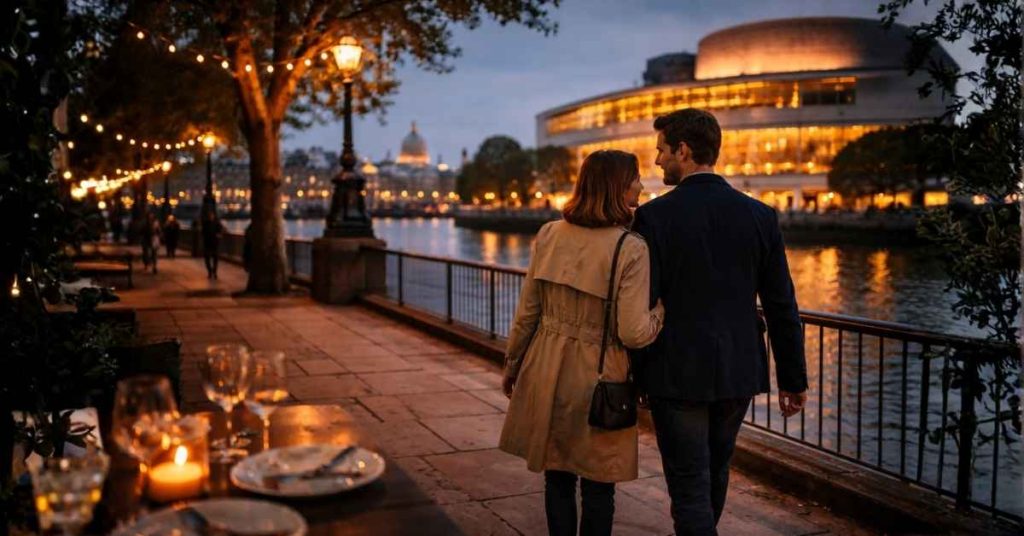
If your show is on the South Bank (especially at the National Theatre), keep your pre-theatre dinner on the same side of the river. This area is built for pre-show flow: easy walking routes, riverside atmosphere, and an evening rhythm that feels calmer than central Theatreland rush zones.
Why it works
- Purpose-built pre-show flow: the National Theatre area is designed to handle crowds smoothly, so arrivals feel organised rather than chaotic.
- Riverside walkability: the South Bank path gives you a simple “eat → walk → arrive” sequence without complicated navigation.
- Less last-minute friction: staying local reduces the risk of bridge crossings, transport delays, and “where are we?” moments right before curtain.
- Better mood management: the river setting naturally slows your pace—in a good way—so you arrive feeling like a person, not a stopwatch.
Best for
- National Theatre shows: the most logical match—short routes, easy arrival, and a clean pre-show routine.
- Earlier arrivals: if you like getting to the venue with buffer, this zone supports that without feeling boring.
- Scenic riverside energy: it’s ideal when you want the evening to feel like “London at night,” not just a dash between bookings.
- Groups who hate rushing: it’s easier to keep everyone together when the route is basically one long, straightforward walk.
The practical plan
- Eat nearby: choose dinner within a comfortable walk of your venue so you don’t need transport roulette.
- Build a calm buffer: aim to finish eating with enough time for a relaxed stroll, a quick toilet stop, and a settled arrival.
- Stroll in, don’t sprint: treat the riverside walk as part of the night—it’s the easiest way to keep the experience feeling premium.
- Lock timing first: check your curtain time on MusicalsAndTickets.co.uk, then set your “leave by” time and stick to it so the walk stays relaxed.
- Have a Plan B: if the first place is full, pivot quickly to another nearby option rather than crossing the river and risking delays.
Booking and Service Strategy (So Dinner Doesn’t Become a Second Performance)
The biggest pre-theatre mistake isn’t picking the “wrong” restaurant—it’s letting dinner expand until it competes with the show. Your goal is simple: get a good meal, stay relaxed, and arrive early enough that the theatre part feels easy. That means you manage service pace on purpose, not by hope.
The “tell them your curtain time” script
You don’t need a speech. You need one clear sentence that gives the restaurant a useful constraint.
- Reservation note (best): “We’re going to the theatre tonight—can we be finished by [time]?”
- When you arrive: “Just a heads-up, we’ve got a [7:30] curtain, so we’ll need the bill by [leave-by time].”
- If you’re tight on time: “Could we order right away and keep it moving? We’re on a theatre schedule.”
Pro move: don’t say “we’re in a rush” and hope they interpret it correctly. Give a specific finish time. Then order decisively so the kitchen can actually help you.
Set menus, theatre menus, and why they exist
Pre-theatre menus exist because London restaurants know the West End runs on fixed deadlines. These menus are designed to be fast to choose, fast to cook, and fast to serve—so you can eat well without gambling your curtain time.
- Why they’re useful: fewer decisions, fewer surprises, and a predictable pace from starter to bill.
- When to pick them: anytime you’re dining within 90–120 minutes of curtain, or you’re with a group that can’t decide quickly.
- What to avoid when time is tight: long tasting formats, “let’s share everything” chaos, and anything that requires lots of kitchen pacing.
- How to use them like a pro: decide your menu choice before you arrive (or in the first two minutes), and ask for the bill as soon as mains land if you’re on a strict timeline.
Walk-ins vs reservations: how to increase your odds
In Theatreland, reservations are the safest default—especially Thursday to Sunday. But walk-ins can still work if you use smart tactics instead of wandering until you’re hungry and angry.
- Make reservations your Plan A: book early tables to protect your runway and keep the evening calm.
- Use walk-ins strategically: aim for earlier arrival, smaller party size, and flexible cuisine. The more specific you are, the slower you’ll seat.
- Call directly: cancellations happen and not every table reappears online. A quick call can unlock space that the booking platform doesn’t show.
- Don’t trust “no availability” blindly: if online says “full,” try a direct call, or adjust the time by 15–30 minutes—small shifts often change everything.
- Have a zone-based backup: keep a second option in the same neighbourhood so you don’t waste time crossing town.
- Anchor your plan to the show: confirm curtain time first on MusicalsAndTickets.co.uk, then build dinner around that fixed deadline rather than the other way around.
What to Order When Time Is Tight
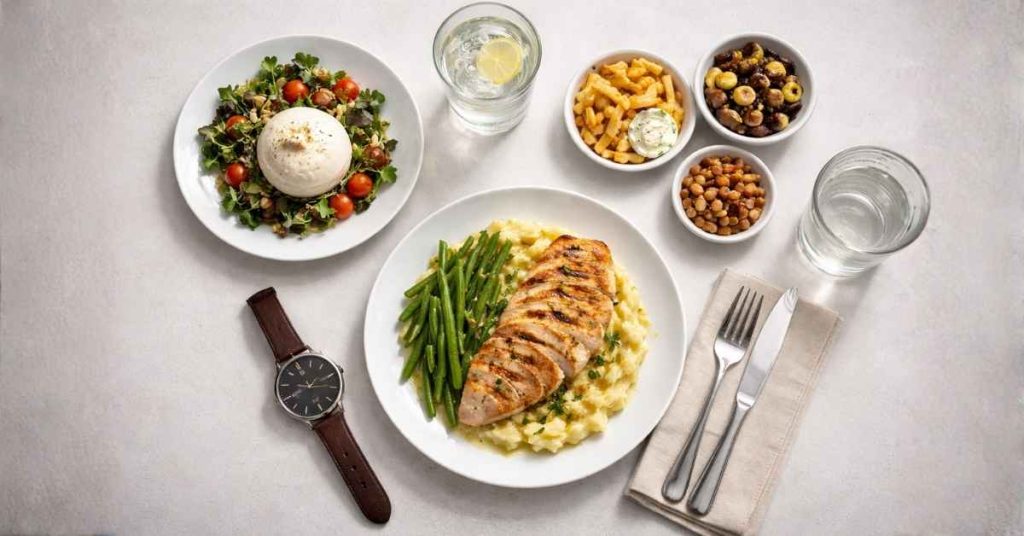
When you’re eating before a show, the menu isn’t just food—it’s a schedule. The fastest pre-theatre meals share one trait: they’re easy for the kitchen to execute and easy for you to order without a committee meeting. If you want to keep quality high and stress low, order like you’re on a mission.
Fast wins
- Set menus / pre-theatre menus: fewer choices, faster decisions, and a predictable pace from starter to bill.
- Small plates (with discipline): choose 2–3 plates per person max, order them immediately, and don’t “add one more” mid-meal.
- Ramen/noodles and soup-based bowls: high satisfaction, quick turnaround, minimal waiting between courses.
- Rotisserie / grilled chicken style mains: kitchens can serve these efficiently, and they’re filling without being slow.
- Simple mains with one side: think “one plate, one decision.” Avoid anything that requires lots of customisation.
- Drinks strategy: if you want a drink, order it immediately with food. Waiting to “see how time goes” usually turns into a delay.
- Timing trick: ask for the bill when mains arrive (or right after). It’s not rude—it’s theatre math.
Slow traps
- Tasting menus: even short ones can stretch unpredictably, and pacing is controlled by the kitchen, not your clock.
- “We’ll just share everything” chaos: it sounds efficient, but it creates decision friction and staggered ordering. It’s the fastest way to lose 20 minutes without noticing.
- Anything that screams “made to order, slow to deliver”: complicated specials, big steaks with multiple sides, or dishes with long prep times can quietly wreck your buffer.
- Dessert detours (unless you’re early): dessert adds ordering time, kitchen time, and bill time. If you’re on a tight runway, save it for post-show or keep it to a single shared bite.
- The trap of browsing: the slowest part of dinner is often the first 10 minutes. Decide quickly, order quickly, then relax.
Quick reminder: confirm your curtain time first on MusicalsAndTickets.co.uk, then order in a way that protects your “leave by” time. A great meal is nice; arriving calm is better.
Dietary Needs and Accessibility (No One Wants a Panic Meal)
Pre-theatre dining gets stressful fast when food needs and mobility needs are treated as “we’ll figure it out when we get there.” The smarter approach is simple: pick a place that can handle your requirements without drama, then protect your buffer so you’re not negotiating allergies or stairs with the clock ticking.
Allergies + dietary preferences
- Put it in the booking notes: list allergies and key preferences when you reserve so the kitchen is prepared before you arrive.
- Be specific, not vague: “nut allergy” and “no dairy” are clearer than “I’m sensitive to stuff.” Clarity prevents mistakes and speeds up ordering.
- Choose simple dishes when time is tight: fewer modifications usually means faster service and fewer back-and-forth questions.
- Ask one practical question early: “Can you accommodate this safely?” If the answer sounds uncertain, pivot immediately—don’t gamble.
- Have a backup plan in the same zone: if the first place can’t accommodate you confidently, you want an easy switch without losing travel time.
- Don’t let “special requests” become a time trap: if you need multiple substitutions, order as soon as you sit down and keep the meal structure simple.
Mobility considerations
- Seating comfort and spacing: if you need more room, stable chairs, or less cramped seating, avoid ultra-tight high-turnover rooms during peak periods.
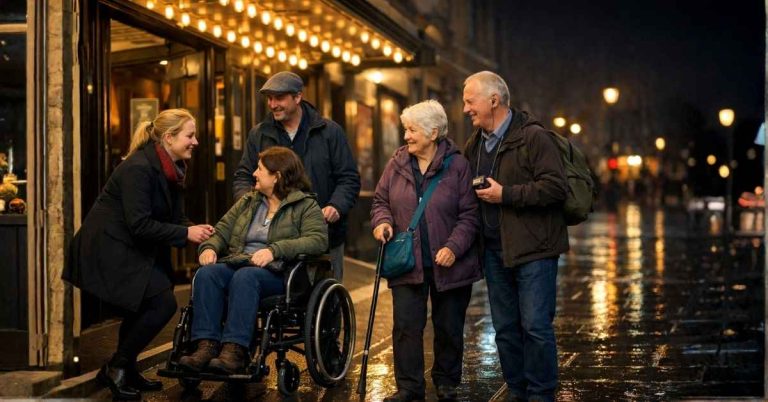
- Stairs and step-free reality: “ground floor” isn’t always step-free, and “accessible” can still involve awkward thresholds. If step-free access matters, confirm it before you commit.
- Toilets: don’t assume they’re easy. Some London venues have toilets down steep stairs or in tight basements. If that’s a problem, choose accordingly.
- Route planning: keep the dinner-to-theatre route simple and low-friction. Short, direct walks beat complicated connections when energy or mobility is limited.
- Build a bigger buffer: if you move slower, need rest breaks, or want a calmer pace, add extra time so your evening stays comfortable rather than rushed.
- Match dinner planning to the show: check your curtain time on MusicalsAndTickets.co.uk first, then set a hard “leave by” time that includes a calm arrival and any access needs.
Mini Itineraries: Sample Pre-Theatre Flows
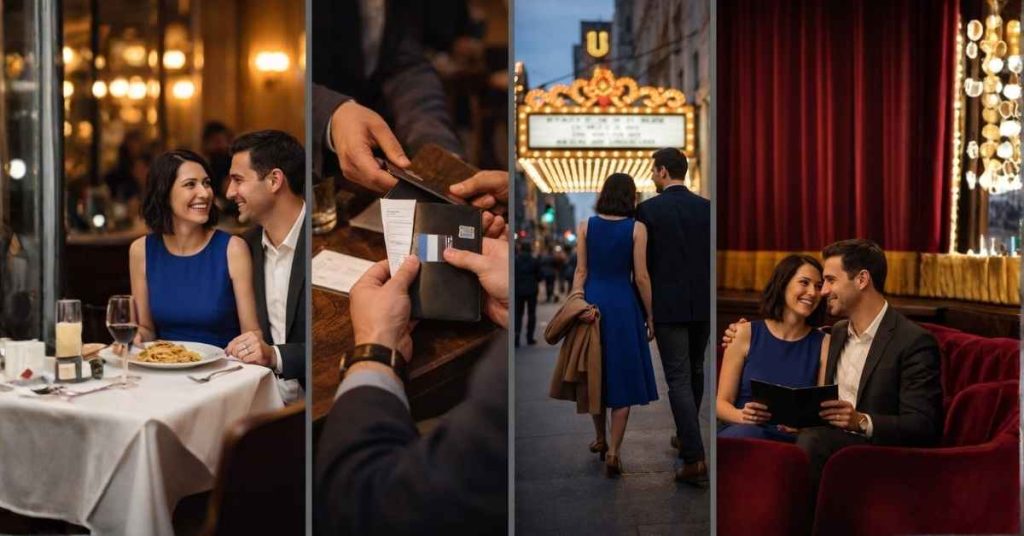
These sample flows are designed to be copied exactly. Pick the one that matches your start time and risk tolerance, then run it like a simple checklist. The goal is always the same: arrive calm, not late.
5:00pm dinner for 7:30pm curtain (relaxed)
- 4:45–5:00: arrive, sit, order quickly (set menu or simple mains).
- 5:00–6:10: eat at a normal pace; one drink is fine if ordered early.
- 6:10: request the bill (or ask for it as mains land).
- 6:20–6:40: finish, pay, and walk toward the theatre area.
- 6:40–7:10: theatre buffer: toilets, cloakroom, queue, find your seats.
- 7:10–7:25: settle in (this is where the “relaxed” feeling is created).
Best for: first-timers, families, anyone who hates rushing. Execution tip: confirm your curtain time on MusicalsAndTickets.co.uk before you book, then protect this buffer.
6:00pm dinner for 7:30pm curtain (tight but doable)
- 5:55–6:00: arrive exactly on time; order within 5 minutes.
- 6:05–6:50: fast dinner: set menu, small plates (ordered all at once), or simple mains.
- 6:45: ask for the bill (don’t wait until you’re finished eating).
- 6:55–7:05: pay and leave immediately.
- 7:05–7:25: direct walk to theatre + minimum buffer (toilets if needed, then seats).
Best for: couples/small groups who can order decisively. Hard rule: skip dessert unless you started early or you’ll feel the clock tightening.
6:15pm “food hall / quick service” plan (survival mode)
- 6:10–6:15: arrive already knowing what you want (no browsing).
- 6:15–6:35: order immediately and eat the first viable option—speed beats perfection.
- 6:35–6:45: finish, bin the slow extras (no cocktails, no dessert detours).
- 6:45–7:10: walk to the theatre with purpose; toilets only if essential.
- 7:10–7:25: seat-finding buffer (minimal but realistic).
Best for: late planners, “we just got into town,” and anyone prioritising the show over the meal. Choose zones built for speed: Seven Dials / Chinatown edge tends to be the most forgiving.
South Bank special: riverside walk-in buffer
- Arrive early on purpose: aim to be on the South Bank 90+ minutes before curtain so you can choose calmly.
- Eat nearby: pick a place within easy walking distance of your venue to avoid transport surprises.
- Build the “riverside buffer”: finish eating with enough time for a relaxed stroll, a toilet stop, and an unhurried entrance.
- Stroll in: treat the walk as part of the experience—less sprinting, more “I planned this.”
Execution tip: check curtain time first on MusicalsAndTickets.co.uk, then set a hard “leave by” time that keeps the riverside walk genuinely relaxed.
Quick Comparison Table (in-article asset)
| Area | Best for | Typical pace | Booking pressure | Vibe | Best when you… |
|---|---|---|---|---|---|
| Covent Garden | First-timers, groups, celebratory dinners | Medium | High | Touristy / classic Theatreland | …want maximum convenience and the “London postcard” pre-show feel. |
| Seven Dials / Neal’s Yard | Families, mixed tastes, low-stress planning | Fast–Medium | Medium | Relaxed / central / flexible | …need a reliable zone where pivoting to a backup is easy. |
| Seven Dials Market | Groups, picky eaters, last-minute meals | Fast | Low–Medium | Casual / buzzy / practical | …want speed and variety without risking a long table-service timeline. |
| Soho | Food-obsessed pairs, small groups, drinks + plates | Medium (can drift slow) | High | Local / high-energy night out | …want big choice and can stick to a hard “leave by” time. |
| Chinatown + Leicester Square edge | “We have 60 minutes,” casual meals, late dining | Fast | Medium | Busy / loud / practical | …need a high-speed meal near curtain and can handle crowds. |
| Fitzrovia | Quieter dinner, grown-up vibe, easier tables | Medium | Medium | Local / calmer / polished | …want less chaos than Soho/Covent Garden but still feel close. |
| Bloomsbury / Holborn | Early dining, families, accessibility planning | Medium | Low–Medium | Relaxed / quieter / buffer-friendly | …want a calmer meal and you’re happy to plan a short transport hop. |
| Piccadilly / St James’s / Mayfair edge | Occasions, anniversaries, client dinners | Medium–Slow | High | Upscale / polished | …want a premium room and consistent service (and your budget allows it). |
| South Bank / Waterloo | National Theatre nights, riverside evenings | Medium | Medium | Relaxed / scenic / cultural | …want to eat nearby then stroll in—less sprinting, more “planned.” |
FAQ
What’s the best area to eat if I’m seeing a show near Covent Garden?
Choose Covent Garden if you want classic Theatreland convenience and atmosphere, or Seven Dials / Neal’s Yard if you want the same central location with more flexibility and less crowd friction. The best strategy is to stay in-zone, book early, and set a hard “leave by” time so dinner doesn’t steal your buffer.
Is Soho too risky for a tight pre-theatre schedule?
Soho can work, but it’s higher-risk when your timeline is tight because queues and “one more round” temptations are real. If you choose Soho, pick a place known for fast service or small plates, book early, and treat your “leave by” time like a rule. If you want lower stress, Fitzrovia or Seven Dials is usually easier to execute.
Where can I eat quickly near Leicester Square / Chinatown?
Chinatown + the Leicester Square edge is one of the best “high-speed” zones in central London. The density of options and quick turnover culture makes it ideal for noodles, dumplings, and fast casual meals when you’re close to curtain. Expect crowds and tight seating at peak times, and prioritise speed over perfection.
Are pre-theatre menus worth it?
Yes, if your goal is a calm arrival. Pre-theatre menus exist to reduce decision time and keep kitchen pacing predictable. They’re especially useful when you’re dining within 90–120 minutes of curtain, when you’re with a group, or when you don’t want to gamble on slow service. If you’re dining very early, you can go more leisurely.
What’s the best time to book dinner before a 7:30pm curtain?
Two safe patterns work well: 5:00pm for a relaxed meal with buffer, or 6:00pm for a tighter, fast-paced meal that requires decisive ordering. If you’re booking later than 6:00pm, choose a food hall or quick-service option and keep expectations realistic. Always build time for toilets and venue entry.
Best areas for families or groups of 6+?
For bigger groups, your best friends are reservations and flexible formats. Seven Dials / Neal’s Yard is a strong choice for mixed preferences, and food hall-style options are often the easiest way to feed everyone quickly. Covent Garden works well if you book early. If you want calmer streets and less noise, Bloomsbury/Holborn is often more comfortable.
Best areas for National Theatre nights?
Choose South Bank / Waterloo. It’s the most reliable pre-show flow because you stay near the venue, avoid river crossings, and can build a relaxed riverside buffer. The ideal plan is to eat nearby, then stroll in calmly. If you’re choosing between performance times, check curtain time first on MusicalsAndTickets.co.uk so dinner timing stays realistic.
Where should I eat if I want a quieter, less touristy dinner?
Try Fitzrovia for a calm “close enough to Theatreland” dinner, or Bloomsbury / Marylebone if you want even less crowd pressure and a more local feel. The trade-off is planning a short transport hop, so build a buffer and keep your route simple. These zones are best when you value comfort and predictability over buzz.
Should I eat before the show or after the show?
Eat before the show if you want the classic “dinner + theatre” evening and you can book an early slot with a hard leave-by time. Eat after the show if you hate rushing and prefer a calm pre-curtain arrival. Post-show dining can be more relaxed, but not every area stays lively late every night, so choose your neighbourhood accordingly.
How do I avoid being late because dinner ran long?
Use three rules: order within 5 minutes, choose a set menu or simple mains, and set a hard leave-by time before you sit down. Ask for the bill early (when mains arrive), and don’t add extra stops on the way. Confirm your curtain time first on MusicalsAndTickets.co.uk, then build dinner around that fixed deadline.
What if I haven’t booked anything and I need food fast?
Switch into “survival mode”: pick a zone built for speed (Seven Dials Market or Chinatown edge), order immediately, and skip slow extras like dessert and multiple rounds. The goal is to finish eating with enough time for toilets and venue entry. If you’re unsure which performance time you’re aiming for, check showtimes quickly on MusicalsAndTickets.co.uk before you commit.