

Family-friendly musicals in London
Choosing a family-friendly West End musical in London is less about hype and more about fit: age guidance, runtime, sensory intensity, and your schedule. This guide gives you quick picks, smart filters, and practical theatre-day tips—so your kids stay engaged, you avoid chaos, and everyone leaves smiling with zero stress.
Quick picks: the safest choices for most families
- The Lion King — Recommended 6+, ~2h 30m incl. interval: huge animal visuals and familiar songs keep kids glued to the stage; parents tolerate it because it’s polished, clear, and reliably “wow” without being stressful.
- Matilda The Musical — Age guidance 6+, ~2h 35m incl. interval: cheeky humour, big movement, and a kid-power storyline land fast with younger audiences; parents like the smart writing and the option of relaxed performances if you need a gentler environment.
- Mamma Mia! — Recommended 5+, ~2h 35m incl. interval: ABBA hits and high-energy dancing make it easy for kids to stay engaged; parents tolerate it because it’s upbeat, light on heavy themes, and feels like a fun shared sing-along night out.
- Wicked — Recommended 7+, ~2h 45m incl. interval: blockbuster staging, big characters, and “magic” moments keep kids invested; parents tolerate it because the story has real heart, but it helps to know there are loud noises and effects.
- Back to the Future: The Musical — Recommended 6+, ~2h 40m incl. interval: fast jokes, time-travel chaos, and effects-heavy set pieces feel like a theme-park ride; parents tolerate it because pacing is quick and the nostalgia payoff is strong (just note strobes/haze/pyro).
- Disney’s Hercules — Recommended 6+, ~2h 10m incl. interval: a punchier runtime plus bright comedy makes it an easier “first West End musical”; parents tolerate it because it’s family-forward and doesn’t demand Olympic-level attention span.
- SIX — Recommended 10+, 80 mins (no interval): concert-style pop energy and constant movement work brilliantly for older kids and tweens; parents tolerate it because it’s short, schedule-friendly, and you’re out before anyone melts down (expect loud music and flashing/strobe effects).
Note: Show line-ups and availability change, so it’s smart to keep this list refreshed using “what’s on now” roundups; for quick date and ticket comparisons, use MusicalsAndTickets.co.uk.
How to choose a family-friendly musical (the 5 filters)
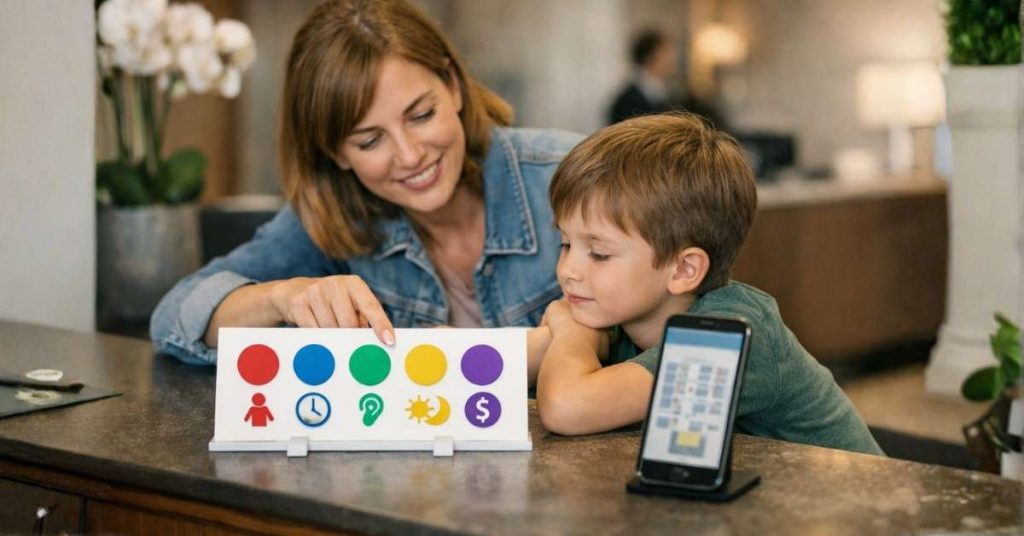
Picking the right West End musical for your family works best when you treat it like a simple decision system, not a vibes-based gamble. Use these five filters in order, and you’ll reliably land on a show your kids can handle and you can actually enjoy.
Filter 1 — Age guidance vs your kid’s real-world tolerance
A “recommended age” is mostly about themes, intensity, and the ability to sit still—not intelligence. Two kids the same age can react completely differently to loud moments, spooky characters, or long scenes without jokes.
- Under 6: usually not ideal unless it’s a relaxed performance or your child is genuinely theatre-ready (can sit through a film without breaks, handles loud sound, follows basic “inside voice” rules).
- 6–9: the sweet spot for storybook plots and big spectacle—clear heroes, clear jokes, clear “wow” moments.
- 10–13: can handle faster language, bigger themes, and “concert-style” formats (like SIX), where energy stays high and the pace rarely drifts.
Quick parent check: If your child struggles with loud cinemas, hates surprises, or needs movement breaks, prioritize calmer staging, shorter runtimes, and seats with easy exits.
Filter 2 — Runtime and interval strategy
For most families, ~2h10–2h30 (including an interval) is the practical ceiling before attention and patience start sliding downhill. Shorter shows can be a cheat code—less time to fidget, fewer “are we done yet?” whispers.
- Short-format (around 75–95 mins, no interval): great for first-timers and older kids who like a concert vibe.
- Standard musical (2h10–2h45 with interval): doable if the show has frequent visual change and your seat/exit plan is solid.
Interval tactics (battle-tested):
- Toilets first (queues get savage fast).
- Snacks second (keep it simple; sugar spikes are a plot twist you don’t need).
- Photos never (front-of-house staff will win that fight calmly, professionally, and repeatedly).
Filter 3 — Sensory intensity (sound, strobes, haze, jump moments)
“Family-friendly” can still be loud, flashy, and effect-heavy. Before you book, scan the show info for sensory flags like:
- Strobe/flashing lights (common in high-energy shows and “concert-style” productions).
- Haze/smoke (can bother sensitive kids).
- Sudden loud effects (bangs, booms, amplified hits).
- Jump moments (surprises, darker scenes, villains entering with a dramatic noise cue).
Sensitivity-friendly note: shows known for big effects and volume—like Back to the Future and SIX—can be amazing, but they’re not always the best first choice for kids who dislike sensory overload. If you’re unsure, pick a calmer story-driven option or aim for a relaxed performance.
Simple mitigation plan: choose aisle seats, sit a little further back (often less intense), bring kid-sized ear defenders if needed, and keep expectations realistic—your goal is a great night, not a parenting Olympics medal.
Filter 4 — Matinee vs evening
Timing is a huge part of whether a show feels “family-friendly” in real life.
- Matinee: usually better mood, easier transport, and kids are less likely to crash midway through Act 2.
- Evening: can work for older kids and teens who want the “big night out” feeling, but younger kids often hit a tired wall right when the story peaks.
If you’re building a London day around the show, matinee lets you plan dinner after without rushing. Evening shows often force a late exit, late travel, and a next-day zombie situation (for everyone, not just the kids).
Filter 5 — Budget reality
West End pricing moves with demand. The same show can swing a lot depending on day, time, and seat location. The “best value” seat is the one your child can actually see from and sit in comfortably—cheap tickets are expensive if the view is blocked and the kid melts down.
- Weekday matinees often deliver the best value (more availability, fewer peak surcharges).
- Seat location matters: central sightlines usually beat “closer but awkward” side angles for families.
- Restricted view can be fine if you know exactly what’s restricted—avoid gambling when you’re bringing kids.
To make the budget filter fast, compare multiple dates and seat bands side-by-side on musicalsandtickets.co.uk, then pick the option that matches your age/rhythm/sensory needs instead of chasing the lowest price.
60-second decision flow: Start with age tolerance → remove long runtimes → remove high-sensory shows if needed → choose matinee if possible → only then compare prices and seats. Predictable beats emotional every time.
Best family-friendly musicals by age group

Kids don’t experience the West End in “one-size-fits-all” mode. Use these age bands as a practical starting point, then match the show to your child’s attention span and sensitivity. If you’re deciding between two options, compare dates, seat bands, and matinee availability on musicalsandtickets.co.uk and pick the one that fits your day plan, not just the poster.
Best for ages 5–7
At this age, you want clear storytelling, big visuals, and a tone that isn’t too dark or intense. Think “easy to follow” and “frequent wow moments,” not complicated plot twists.
- Mamma Mia! (5+) — upbeat songs and bright energy keep younger kids engaged even when the plot details blur.
- The Lion King (6+) — visual spectacle does a lot of the work; kids stay locked in because the stage never feels static.
- Matilda (6+) — kid-led story and big movement sequences hit the sweet spot for this age, especially for confident readers and curious kids.
- Disney’s Hercules (6+) — punchier pacing makes it feel lighter and easier for first-timers who are still building “sit-still stamina.”
Avoid / think twice:
- Wicked (7+) — brilliant, but can feel long and emotionally intense for some younger children.
- Back to the Future (6+) — effects, loud moments, and sensory punch can overwhelm sensitive kids.
- SIX (10+) — short, but concert-loud with flashing lights; not designed for little ones.
Best for ages 7–10
This band can handle more plot and bigger stakes, but you still want frequent visual change and a tone that doesn’t lean too heavy. It’s also the age where matinees often outperform evenings.
- Wicked (7+) — big spectacle and clear character arcs make it a strong “first blockbuster musical” for this age.
- Back to the Future (6+) — fast, funny, and effects-forward; great if your child loves action and doesn’t mind loud moments.
- The Lion King (6+) — still one of the safest bets: story clarity plus constant stage picture changes.
- Matilda (6+) — works well for kids who enjoy clever humour and don’t get unsettled by a few stricter-adult scenes.
- Disney’s Hercules (6+) — family-forward tone with momentum that helps kids stay focused through Act 2.
Avoid / think twice:
- Shows with heavy sensory effects — if your child dislikes loud cinema sound, prioritize calmer staging and consider ear defenders.
- Hamilton (10+) — dense lyrics and fast delivery can frustrate some 7–10s, even if they love the music.
- SIX (10+) — the energy is perfect later, but the vibe and volume are usually better for older kids.
Best for ages 10–13
Now you can go bigger: faster language, sharper humour, and themes with more nuance. This is also the age where “concert-style” shows become a cheat code for attention span.
- SIX (10+) — 80 minutes of nonstop energy; excellent if your child wants pop-concert pacing and a shorter commitment.
- Hamilton (10+) — ideal for kids who like lyrics, history, or fast-paced storytelling and can track dense language.
- Wicked (7+) — still a strong pick: spectacle plus emotional beats that older kids understand more deeply.
- Back to the Future (6+) — a reliable win for action-loving kids; feels like a ride as much as a musical.
- The Lion King (6+) — timeless and visually gripping; great if you want a “safe classic” that still feels premium.
Avoid / think twice:
- If your child is sensory-sensitive: approach effects-heavy shows carefully (volume, strobes, haze).
- If your child dislikes “talky” scenes: prioritize shorter runtimes or shows with constant visual momentum.
Best for teens (13–17) who think musicals are “cringe”
For skeptical teens, your best strategy is show energy, cultural relevance, and staging wow. You’re not trying to “convert” them—you’re trying to give them a night that feels current and high-impact.
- SIX (10+) — concert format, pop attitude, short runtime: it feels more like a live music night than “theatre theatre.”
- Hamilton (10+) — fast, modern, culturally iconic; great for teens who respect lyric craft and big reputation shows.
- Back to the Future (6+) — effects and pacing can win over teens who mostly care about spectacle and laughs.
- Wicked (7+) — massive production value and strong character arcs; it lands well with teens who like emotion plus scale.
- Mamma Mia! (5+) — surprisingly effective for teens who know ABBA from TikTok/streaming; it’s more “party vibe” than “serious musical.”
Avoid / think twice:
- Longer runtimes on school nights — if they’re already reluctant, fatigue turns “meh” into “never again.”
- Shows with a slower first act — skeptical teens need an early hook; pick something that starts fast.
Mini show-guides

Below are practical, family-first mini guides you can actually use when booking. Each one answers the same questions (age, runtime, intensity, seating) so you’re comparing like-for-like instead of guessing. When you’re ready to book, use musicalsandtickets.co.uk to compare dates, matinees, and seat sections in one place.
The Lion King
Who it’s best for: Ages 6+ who like animals, colour, music, and “wow” staging; ideal for first-timers who need a clear story with constant visual payoffs.
Why kids like it / why adults like it: Kids get instantly readable characters, big puppets, and songs they already recognise; adults tolerate it because the design is genuinely impressive and the pacing stays busy even when your child’s attention wobbles.
- Runtime + interval: ~2h30 including an interval.
- Recommended age: 6+ (good “family default”).
- Sensory notes: If your child is sensitive, aim for access/relaxed options where lighting/sound are softened; standard performances can include theatrical effects like smoke/fog and strobe lighting.
- Booking strategy: Matinees are the lowest-risk option: easier travel, better moods, and fewer “I’m tired” meltdowns. Midweek matinees often price better than peak weekend slots—check musicalsandtickets.co.uk for date/value comparisons.
- Seat strategy: Prioritise central sightlines (mid Stalls or central Circle). If you want an easy escape, choose an aisle; for smaller kids, avoid extreme side seats where sightlines can feel “cut off.”
Matilda The Musical
Who it’s best for: Ages 6+ who enjoy clever humour, school stories, and “magic in plain sight” stagecraft; best for kids who can follow fast jokes and sit through a full-length show.
Why kids like it / why adults like it: Kids love the rebellious wish-fulfilment (smart kid vs unfair adults) and the punchline-heavy scenes. Parents tolerate it because it’s genuinely witty, tightly structured, and doesn’t rely on filler spectacle to hold attention.
- Runtime + interval: 2h35 including a 20-minute interval.
- Recommended age: 6+ (and typically not admitting under-4s).
- Sensory notes: Can include loud sound effects, flashing lights/lasers, haze, and some sudden moments; there are also scenes of comic bullying that may feel intense for very sensitive children.
- Booking strategy: Choose a matinee if you’re even slightly unsure—Matilda rewards attention, and tired kids miss the jokes. If your family benefits from a calmer environment, look for relaxed performances when scheduled.
- Seat strategy: Central Circle usually gives the cleanest “whole-stage” view for choreography and sight gags. If your child may need a quick exit, pick an aisle near the back of your chosen section.
Wicked
Who it’s best for: Ages 7+ who like fantasy, big emotions, and spectacle; best for kids who can handle a few darker/intense moments without spiralling.
Why kids like it / why adults like it: Kids come for the magic, flying moments, and bold characters; adults tolerate it because it’s polished, tuneful, and visually “premium” in a way that feels worth the ticket.
- Runtime + interval: 2h45 including one interval (often ~20 minutes).
- Recommended age: 7+ (with under-5s not admitted).
- Sensory notes: Loud noises, flashing lights, smoke effects, and strobe lighting feature in the production.
- Booking strategy: If you’re bringing a first-time 7–9-year-old, pick a matinee so you’re not gambling with bedtime. For value, compare midweek dates on musicalsandtickets.co.uk—peak Saturdays can jump fast.
- Seat strategy: Choose central Circle for clean sightlines (useful for big stage pictures). If your child is anxious, avoid very front rows where effects can feel more intense.
Mamma Mia!
Who it’s best for: Ages 5+ who love upbeat music, dancing, and humour; a strong “family holiday mood” show that doesn’t demand intense concentration.
Why kids like it / why adults like it: Kids latch onto the energy, bright staging, and sing-along feel; parents tolerate it because it’s light, funny, and the ABBA soundtrack keeps the room smiling even if the plot details blur.
- Runtime + interval: ~2h35 including an interval.
- Recommended age: 5+.
- Sensory notes: Contains flashing lights; content can include mild language/cheeky references depending on production notes, so use parental discretion with very literal younger kids.
- Booking strategy: This one works well as a matinee “win”: easy vibe, easy exit, high success rate. For budget sanity, weekday performances often give better seat-to-price value—use musicalsandtickets.co.uk to compare.
- Seat strategy: Central Dress/Circle is a safe pick for full-stage visibility; for kids who get restless, pick an aisle so you can step out without disrupting half a row.
Back to the Future: The Musical
Who it’s best for: Ages 6+ who like fast jokes, big effects, and a “movie come to life” feel; excellent for kids who struggle with slower, dialogue-heavy shows.
Why kids like it / why adults like it: Kids get non-stop action and wow-tech moments; adults tolerate it because it’s brisk, funny, and the production value does a lot of the heavy lifting when attention dips.
- Runtime + interval: 2h40 including a 20-minute interval.
- Recommended age: 6+ (under-4s not admitted).
- Sensory notes: Flashing lights, strobe effects, smoke/haze, and pyrotechnics throughout; the very front “close-up” areas can feel louder.
- Booking strategy: If your child is sensitive, choose earlier shows and sit slightly back.
- Seat strategy: Avoid ultra-front rows if you want lower intensity; prioritise central sightlines so the big effects land properly without neck-craning.
Disney’s Hercules
Who it’s best for: Ages 6+ who want something punchy, funny, and recognisably Disney; great if you want a family show that doesn’t run too long.
Why kids like it / why adults like it: Kids like the heroic story beats, comedy, and high-energy musical numbers; adults tolerate it because the runtime is comparatively friendly and it’s built for broad, crowd-pleasing momentum.
- Runtime + interval: ~2h10 including a 20-minute interval (notably shorter than many West End blockbusters).
- Recommended age: 6+ (under-4s not admitted).
- Sensory notes: Content warnings can include effects such as smoke, strobe lighting, and pyrotechnics—worth checking if you’re managing sensitivity.
- Booking strategy: This is a strong “starter musical” for families who worry about stamina. Matinees are safest; for cost control, compare weekday options on musicalsandtickets.co.uk.
- Seat strategy: Central Circle is a safe default; if your child hates feeling “too close,” avoid the front-most rows and choose mid-depth seating for comfort.
SIX
Who it’s best for: Ages 10+ (tweens/teens) who like pop-concert energy; ideal if your older kid says musicals are “cringe” but loves big vocals and hype atmosphere.
Why kids like it / why adults like it: Kids love the concert format, catchy hooks, and modern attitude; adults tolerate it because it’s short, high-impact, and doesn’t require navigating a complex plot.
- Runtime + interval: 80 minutes, no interval.
- Recommended age: 10+.
- Sensory notes: Flashing lights, strobe effects, theatrical haze, and loud music; themes can include personal trauma and some mature references.
- Booking strategy: Because there’s no interval, do toilets first, drinks second. Early evening shows can suit teens; for families, earlier start times reduce the “overtired spiral.” Check musicalsandtickets.co.uk for date/price swings.
- Seat strategy: If you’re sensitive to volume, avoid seats closest to the stage/speakers; mid-to-rear Circle often feels more balanced.
The Phantom of the Opera
Who it’s best for: Ages 8+ who can handle spooky vibes and sustained dramatic tension; best for older kids who enjoy mystery and big, classic theatre music.
Why kids like it / why adults like it: Kids who like “gothic” stories get spectacle and suspense; adults tolerate it because it’s iconic, musically rich, and feels like a true West End rite of passage.
- Runtime + interval: 2h30 including an interval (often ~20 minutes).
- Recommended age: 8+.
- Sensory notes: Can include gunshots, flashing lighting effects, theatrical smoke effects, and pyrotechnics; some scenes may be distressing for sensitive viewers.
- Booking strategy: For first-timers, matinees reduce intensity simply because kids aren’t fighting fatigue. If you’re on the fence, choose seats with an easy exit route and compare calmer midweek dates on musicalsandtickets.co.uk.
- Seat strategy: Central Circle is usually the most comfortable view: you can see the full stage pictures without feeling swallowed by the darkness and sound in the front rows.
Hamilton
Who it’s best for: Ages 10+ who can track dense language and fast rap; perfect for teens who want cultural relevance, high skill, and a “smart” night out.
Why kids like it / why adults like it: Older kids/teens love the momentum and quotable lines; adults tolerate it because it’s tightly written, emotionally punchy, and rewarding on a second listen—even if you don’t catch every lyric live.
- Runtime + interval: 2h45 including an interval (often ~15 minutes).
- Recommended age: 10+ (contains some strong language).
- Sensory notes: Expect loud music and heightened dramatic moments; if your child is sensitive to intensity, sit further back and bring discreet ear protection.
- Booking strategy: If you’re taking a younger 10–12-year-old, pick a matinee so focus doesn’t collapse late in Act 2. For value, weekday performances can be more forgiving—use musicalsandtickets.co.uk to compare seat bands by day.
- Seat strategy: Prioritise a straight-on view (central Dress/Circle). Avoid extreme sides where rapid staging can be harder to read.
What’s family-friendly right now: London’s “safe default” family line-up shifts with openings, cast changes, and limited runs, so treat any list as a living document. The fastest way to stay current is to check official city listings and theatre guides (for what’s on, age notes, and access performance calendars), then cross-compare dates and seat value on musicalsandtickets.co.uk before you lock anything in.
Tickets: how to buy without getting burned

West End tickets aren’t complicated, but the mistakes are predictable: rushing the purchase, ignoring restrictions, and chasing the cheapest seat without checking sightlines. Use the steps below to keep the process boring—in the best way.
Decide your non-negotiable
You’re usually trading between date/time, budget, and seat quality. Pick two, not three. The moment you try to “win” all three, you’ll end up overpaying, sitting in a compromised view, or forcing a showtime that wrecks your family’s mood.
- Date/time + seat quality → pay more, but you control the experience (best for first-timers and special trips).
- Date/time + budget → accept that seat position may be less ideal (fine for older kids who won’t panic about partial sightlines).
- Budget + seat quality → be flexible on dates (weekday matinees are your best friend).
A practical move: shortlist two performances (a matinee + an evening backup), then compare the seat bands side-by-side on musicalsandtickets.co.uk so you can choose value without guesswork.
Fees, family seating, and “must sit next to an adult” rules
This is where families get caught out. Pricing often includes booking fees, and seating rules can be stricter than people expect.
- Fees: you may see service/handling fees added at checkout. Don’t compare prices until you’re looking at the final total.
- Family seating rules: many productions require under-16s to be accompanied by an adult, and some venues expect minors to be seated next to the accompanying adult. This can affect split seating, aisle choices, and “we’ll sit one row apart” plans.
- Common gotcha: buying two great seats and one “close enough” seat for a child nearby—then discovering the venue/show policy doesn’t allow that arrangement.
Before paying, do a 30-second policy scan on the show/venue information (this is especially worth doing for big family magnets like The Lion King, Mamma Mia!, and Wicked). If your family setup is unusual (one adult with multiple kids, split guardians, etc.), prioritise seating that keeps everyone together without drama.
Safety rule that saves headaches: if you’re booking for kids, assume “adjacent seating” is required unless the policy clearly says otherwise.
When to book
Timing is your leverage. The West End has peak-demand periods where waiting doesn’t make you brave—it makes you expensive.
- School holidays: book earlier. Family demand compresses availability fast, and the best-value seats (central sections with clean sightlines) disappear first.
- Off-peak weeks: you can play the deals game. If you’re flexible on day/time, you’ll often find better price-to-seat quality—especially with weekday matinees.
- High-demand shows: don’t gamble. If your trip dates are fixed, treat tickets like train seats: lock them when you find a “good enough” option.
Fast checkout checklist (use this every time):
- Confirm date, start time, and whether it’s a matinee or evening performance.
- Check runtime + interval and sanity-check it against your child’s stamina.
- Read age guidance and any sensory warnings (flashing lights, haze, loud effects).
- Verify seating adjacency for minors (don’t assume you can split seats).
- Review the final total (including fees) before you hit pay.
If you want the easiest workflow: compare multiple dates and seat bands on musicalsandtickets.co.uk, pick the performance that matches your family’s energy level, and only then worry about squeezing the last few pounds out of the price.
Seats and comfort: the family seat strategy

Seats are where “family-friendly” becomes real. The wrong seat doesn’t just mean a worse view—it means fidgeting, frustration, and the classic disaster scenario: a safety rail or tall head blocking the stage so your child spends half the show asking what happened. Use this strategy to reduce regret and keep the experience smooth.
The “safe default” seats
If you want the highest success rate with the fewest surprises, start with the same two priorities every time: balanced sightlines and easy exits.
- Safe default for view: aim for the middle of the Dress Circle / Royal Circle equivalent (or the venue’s main circle tier). You usually get a clean, centered view of the whole stage, which is ideal for big choreography, set pieces, and understanding the story without constant head-turning.
- Safe default for practicality: choose an aisle seat when you’re with kids. Bathroom trips happen, and stepping out quietly is easier than climbing over strangers in a tight row.
- What to avoid for first-timers: extreme side angles (can “cut off” parts of the stage), very front rows (more neck craning, more intensity), and seats directly behind rails/overhangs unless you already know the sightline is clean.
If you’re comparing sections quickly, central circle seats are often the best balance of visibility and comfort for families—then you can fine-tune by budget on musicalsandtickets.co.uk.
Booster seats and sightlines
Many theatres offer booster cushions for children, but policies vary by venue and availability can be limited (often first-come, first-served). Don’t assume a booster will magically solve every sightline problem—some obstructions are structural (rails, balcony edges, or steep angles).
- Check venue info: confirm whether boosters are available, how to request them, and whether there are any age/height guidelines.
- Arrive early: if you need a booster, get there with enough time to ask staff before the rush.
- Pick seats that “work” even without a booster: a child’s view improves dramatically when you avoid rows with known rail issues and choose a section with a stronger rake (the steepness of the seating).
Sensible trade-offs
Restricted-view tickets can be a smart budget play for adults who don’t mind a compromised angle. With kids, the math changes: if your child can’t see, they won’t stay engaged—then the whole night slides downhill. The cheapest ticket becomes the most expensive mistake.
- Restricted view is sometimes okay if the restriction is minor (e.g., a small portion of the stage edge) and your child is older, patient, and not easily distracted.
- Restricted view is usually a bad bet for younger kids, first-time theatre-goers, or anyone who needs clear visuals to follow the story.
- Better value move: downgrade the date/time before you downgrade the view. A weekday matinee with a clean central sightline often beats a peak-time bargain seat with a hidden stage.
If you’re deciding between “cheaper but restricted” and “slightly more expensive but clear,” choose clear. Your child seeing the stage is the difference between a great memory and a long, noisy lesson in regret.
The family theatre day plan (operations, not vibes)

A “family-friendly” musical can still turn into a stressful night if the logistics go sideways. The goal is simple: keep the day predictable, reduce queues, and protect your kids’ energy. Use this plan like a checklist, not a wish.
Timing
- Target arrival: aim to be at the theatre 30–45 minutes before curtain. That gives you enough time for toilets, bag checks, finding your entrance, and settling into seats without sprinting.
- Why early matters: children arrive with “anticipation nerves” (even if they act cool). A calm entry—no rushing, no shouting, no frantic scanning—improves the whole show experience.
- Last-call reality: once the show starts, late seating can mean waiting until a suitable pause. With kids, that waiting feels like punishment, so don’t cut it close.
- Seat settling: plan 5 minutes just to sit, adjust layers, and do a quiet “here’s what happens at interval” mini-brief.
Food
- Pre-show meal timing: eat 60–90 minutes before curtain. Too close and you’re dealing with stomach discomfort and toilet urgency; too early and you’re buying overpriced snacks out of desperation.
- Keep it boring: before a performance, choose familiar foods (nothing that usually triggers tummy drama).
- Interval snack strategy: treat the interval as a reset, not a feast. Quick carbs + water works; sticky sugar bombs can backfire in Act 2.
- Queue discipline: if you’re buying snacks/drinks, do it after toilets—interval lines move slower than you think.
What to bring
- Ear protection: compact ear defenders or kid earplugs for sensitive children (especially for effects-heavy or concert-style shows).
- Small bag only: keep it light—large backpacks slow security checks and make you everyone’s enemy in the row.
- Layers: theatres can feel warm or chilly depending on seating level; a thin zip layer beats a bulky coat.
- Essentials: tickets ready (phone charged), a small water, tissues, and one quiet “fidget saver” for younger kids (nothing noisy, nothing flashy).
- Comfort upgrades: if your child is small, check booster availability in advance; if you’re not sure, an aisle seat can be your best investment.
Getting there
- Default route: Tube + short walk is usually faster and more reliable than taxis in Theatreland traffic.
- Buffer time: add 15–25 minutes on top of your map estimate for families—station stairs, slower pace, bathroom stops, and “where is the entrance?” moments are normal.
- Plan the exit too: decide your post-show move before curtain (tube station, meeting point, quick snack spot). A simple plan prevents the end-of-show crowd from turning into chaos.
- Ticket comparison tip: when choosing a performance time, sanity-check travel and bedtime first; then compare seat bands and dates on musicalsandtickets.co.uk so your plan stays realistic.
Accessibility and neurodiversity-friendly options
West End theatres can be brilliant for families with access needs, but you have to plan a little harder—many buildings are historic, which means stairs, tight corridors, and “character” (the annoying kind). The good news is that most shows and venues now publish clear access notes and offer assisted performance dates, so you can book with fewer surprises.
Relaxed/chilled performances
If your child is neurodivergent, sensory-sensitive, anxious, or simply new to theatre, relaxed/chilled performances can be the difference between “best day ever” and “we left at interval.” These performances typically allow a more flexible audience environment: you can move if needed, make noise without judgment, and staff are prepared for re-entry and support.
Concrete example (Matilda): the production’s own guidance highlights that its relaxed/chilled performances are designed to welcome younger children compared with standard performances, with specific rules about children occupying their own seats. One important reality check: the same guidance also notes age restrictions (including limits for under-4s), so don’t assume “relaxed” means “any age goes.” Always confirm the policy for your exact date before you pay.
- Best use case: first West End visit, sensory sensitivity, or a child who benefits from freedom to move.
- Booking tip: pick matinees where possible, then compare assisted-performance dates and seat availability on musicalsandtickets.co.uk.
- Seat tip: choose an aisle or near an exit route so breaks are easy and discreet.
Step-free access and mobility
Step-free access varies massively by venue—sometimes it’s a lift, sometimes it’s a separate entrance, sometimes it’s “step-free to the stalls only.” Before booking, check the theatre’s access page and call ahead if anything is unclear.
- Confirm the route: which entrance is step-free, and how you reach your seating level (lifts/platform lifts vs stairs).
- Check seating options: wheelchair spaces, transfer seats, and where companion seats sit (some are excellent; some are compromises).
- Facilities: accessible toilets (and whether they’re inside the auditorium level or in a foyer).
- Hearing and visual support: hearing enhancement systems, captioned performances, audio-described dates, and any venue-provided devices.
- Practical reality: staff can often help—but only if they know in advance. A quick call saves a lot of frustration on the day.
What to skip (or save for later)

This isn’t about “good” or “bad” shows—some productions are brilliant and still a rough fit for younger kids on a first West End trip. If you want fewer tears, fewer walkouts, and fewer expensive regrets, treat the points below as a simple risk filter. You’re not cancelling a musical; you’re just choosing the right moment.
Save the darker, scarier, or more intense shows for older kids
Some family groups do fine with big emotions and darker scenes, but many 5–8-year-olds don’t. The problem isn’t intelligence—it’s emotional load, volume, and surprise moments.
- If “scary” is a trigger: skip or postpone shows with sustained suspense, jump moments, or heavy dramatic tension (for many families, The Phantom of the Opera falls into this bucket for younger kids).
- Better alternatives: choose visual-forward, story-clear shows such as The Lion King (spectacle) or Mamma Mia! (light, upbeat).
Be cautious with effects-heavy, sensory-intense productions
“Family-friendly” can still mean strobe lighting, haze/smoke, and very loud sound. If your child dislikes cinemas, fireworks, or crowded concerts, don’t gamble on an effects-forward show as your first pick.
- If you’re avoiding loudness and flashing: think twice about high-intensity options like Back to the Future or concert-style shows like SIX.
- Better alternatives: look for calmer staging or assisted/relaxed performance dates. For first-timers, Matilda can be a solid choice (especially if you choose a gentler performance environment when available).
Don’t force dense language on kids who need “visual storytelling”
Some shows are incredible but require strong language processing and sustained attention. If your child checks out during dialogue-heavy films or gets frustrated when they miss plot details, a dense show can feel like homework.
- If your child struggles with fast lyrics: be cautious with Hamilton for younger kids, even if the music is famous.
- Better alternatives: pick a show where the story reads clearly from visuals and staging—The Lion King, Wicked (for 7+), or Back to the Future (if sensory tolerance is fine).
Watch the “maturity gap” with tween/teen-leaning shows
Some productions are designed for older kids and teens—shorter, louder, sharper—and that’s exactly why they work so well for that age group. For younger children, they can feel overwhelming or simply “not for me.”
- If you’re booking for under-10s: SIX is usually better saved until they’re older (recommended 10+), especially if you’re managing sensory sensitivity.
- Better alternatives: if you want shorter runtime without the concert intensity, choose the most momentum-heavy “story” option available on your dates, then book a matinee.
If you’re unsure, choose the “safe default” formula
When in doubt, go with: clear story + big visuals + matinee + central sightlines. It’s the least risky way to get a win and build your kid’s confidence for bolder shows later.
- Safe-default picks: The Lion King, Mamma Mia!, Matilda (age guidance 6+), or Disney’s Hercules (age guidance 6+).
- How to decide fast: compare matinee dates and seat bands on musicalsandtickets.co.uk, then pick the option that best matches your child’s stamina and sensitivity.
Conclusion: pick the show that matches your family, not the hype
The “best” family-friendly musical in London isn’t the one with the loudest buzz—it’s the one your kids can actually handle and you can enjoy without stress. Keep the decision framework simple: start with age guidance (themes + intensity + sitting still), filter by runtime (shorter is safer for first-timers), sanity-check sensory load (volume, strobes, haze, jump moments), then lock in the performance time that fits your schedule (matinee usually wins for families).
A practical way to book without regret: shortlist 2–3 shows that meet your family’s comfort level, then compare them side-by-side using the same criteria:
- Age fit: will your child enjoy it—or just endure it?
- Runtime fit: can they stay engaged through Act 2?
- Sensory fit: are loud effects and flashing lights a dealbreaker?
- Schedule fit: does the start time protect mood, meals, and bedtime?
Once you’ve got your shortlist, use musicalsandtickets.co.uk to compare dates, matinees, and seat bands, then pick the option that best matches your real-life family rhythm. You can always come back for the “bigger” or more intense shows later—your goal right now is a clean, confident first win.
FAQ
What’s the best West End musical for a 6-year-old?
For most families, The Lion King is the safest “first West End musical” at age 6 because the story is easy to follow and the visuals do constant work. Matilda can also be a great fit for confident kids who enjoy humour and school-style stories. If you’re unsure about stamina, prioritise a matinee and central sightlines, then compare dates and seat bands on musicalsandtickets.co.uk.
Are West End musicals suitable for toddlers?
Usually, no—most West End musicals aren’t designed for toddlers, and many have age restrictions plus “everyone needs a ticket” rules. Even when a child is allowed in, loud sound, long runtimes, and the expectation to sit still make it a tough environment. If you’re determined to try, look for a relaxed/chilled performance and choose aisle seats, but expect to step out if needed.
Which musicals have the shortest runtime?
Short runtimes are a cheat code for families. SIX is around 80 minutes with no interval, which makes it a strong pick for older kids and teens who want high energy without the long sit. Most blockbuster musicals run 2h10–2h45 with an interval. If stamina is your main concern, shortlist shorter shows first, then pick the best matinee on musicalsandtickets.co.uk.
Is The Lion King too scary for sensitive kids?
For many sensitive kids, The Lion King is still manageable because it’s visually bright and emotionally clear, but it can include intense moments (darkness, loud sound, “danger” scenes). If your child struggles with loud cinema sound or gets spooked easily, choose seats a bit further back, bring ear protection, and book a matinee. If you want the calmest option, consider shows with a lighter tone like Mamma Mia!.
Is Wicked okay for a 7-year-old?
It can be, but it depends on your child’s tolerance. Wicked is recommended for 7+ and it’s a big, effects-forward show with a few intense moments and a longer runtime. A confident 7-year-old who loves fantasy usually does well, especially at a matinee. If your child is anxious or sensory-sensitive, choose seats further back and avoid very front rows.
Are there relaxed performances in London?
Yes. Many West End productions offer relaxed/chilled or other assisted performances (like captioned, audio-described, or BSL-interpreted dates). Relaxed performances are designed to be more welcoming for neurodivergent audiences and families who may need flexibility—movement, noise, and re-entry are handled with more understanding. Availability varies by show and season, so check performance calendars and compare suitable dates on musicalsandtickets.co.uk.
Do kids need their own ticket?
In most cases, yes—West End theatres generally require every person attending to have a ticket, and age restrictions may apply. Even when very young children are permitted, they often must occupy their own seat rather than sitting on a lap (rules vary by show and venue). Always check the specific production’s attendance policy before purchase, especially if you’re booking for children near the minimum age guidance.
Can children sit separately from adults?
Usually, this is a bad idea and sometimes it’s not allowed. Many productions require under-16s to be accompanied and may expect minors to be seated next to the accompanying adult. Even when it’s technically permitted, practical reality is messy: kids may feel anxious, struggle with sightlines, or need the toilet mid-show. The safest rule is simple—book seats together, ideally with an aisle for easy exits.
Are booster seats available?
Often, yes, but it depends on the theatre and availability on the day. Booster cushions are commonly offered to help smaller children see over the row in front, usually on a first-come basis. Don’t rely on it blindly—if sightlines are critical, prioritise a section with naturally better visibility (central Circle often helps) and arrive early so you can request a booster before the rush. If you’re unsure, choose seats with a clear rake.
How early should we arrive?
Aim for 30–45 minutes before curtain with kids. That gives you time for toilets, bag checks, finding the correct entrance, and settling into seats without rushing. If you’re using boosters, managing sensory needs, or bringing multiple children, go closer to 45 minutes. Late arrivals can mean waiting to be seated until a suitable pause, which is frustrating for kids and stressful for parents—avoid the sprint.