
Cheap London Musical Tickets Without the Stress: Rush, Lotteries, Day Seats and More
Scoring cheap London musical tickets in 2026 shouldn’t feel like a gamble. This guide shows you where to find real savings through rush offers, lotteries, day seats, and official same-day channels—without falling for scams, hidden fees, or fake urgency. Follow the process, verify fast, and book with confidence every time.
The 60-Second Safety Ladder: Start Here Before You Hunt Discounts

Before you chase rush drops, lotteries, or last-minute offers, run this one-minute filter.
You can compare shows and timings on musicalsandtickets.co.uk, then complete checkout only through verified routes.
This keeps your options flexible and your payment risk low.
Your safest buying order
-
Official show/venue box office
Your cleanest path for valid inventory, straightforward fulfillment, and clearer support if plans change. -
Official London Theatre/TKTS route
A trusted official channel for same-day and discounted options without guesswork from unknown sellers. -
Verified agencies/STAR-member sellers
A practical next layer when official inventory is limited, provided seller identity and terms are clear. -
Resale only when disclosure checks pass
Use resale only if seat details, restrictions, and total price are transparent before payment.
Leicester Square reality check
Important: there is one official TKTS booth in Leicester Square. Nearby ticket shops may look similar,
but they are not automatically affiliated with the official operation. Always confirm the exact operator identity before you pay.
If you remember one thing, remember this: cheap is good, unverifiable is expensive.
What “Cheap Ticket Types” Actually Mean (and When Each Works Best)
“Cheap” is not one product. In West End ticketing, it usually means one of five mechanisms:
rush, lotteries, day seats, late returns/releases, or lower-priced standing/restricted-view inventory.
The best option depends on your flexibility, group size, and stress tolerance.
A smart flow is to shortlist shows first on musicalsandtickets.co.uk, then execute through verified seller routes.
Availability changes fast: release windows, prices, and rules can change by production.
Never publish fixed drop times without a date-stamped verification check.
Rush tickets
Rush is typically a first-come, limited-inventory release for same-day performances.
Once the drop opens, tickets can disappear quickly.
- Best for: flexible solo buyers or pairs who can act fast.
- Main risk: you miss the drop window and the cheapest tier is gone.
- Low-stress tactic: pre-create accounts, save payment details, and set reminders.
Lottery tickets
Lotteries run on an entry window → draw → winner payment deadline model.
You enter first, then only selected entrants get a short purchase window.
- Best for: budget-first buyers with schedule flexibility.
- Main risk: no win, or winner window expires before checkout.
- Low-stress tactic: enter multiple eligible dates instead of betting on one night.
Day seats
Day seats are same-day allocations, often controlled by the production/box office or an official partner route.
Inventory is limited and may include seat-location constraints.
- Best for: visitors already in London and flexible on seat position.
- Main risk: limited quantities and strict purchase conditions.
- Low-stress tactic: treat day seats as Plan A and keep a verified backup option for Plan B.
Returns / late-release inventory
Tickets can reappear close to showtime when allocations are released, holds expire, or customer returns are processed.
This is why a show that looked sold out in the morning can have seats again later.
- Best for: patient buyers who can monitor inventory in short intervals.
- Main risk: waiting too long and ending with only poor-value options.
- Low-stress tactic: define a personal “buy-by” time so you avoid panic decisions.
Standing and restricted-view value plays
This is where many buyers save well—if they evaluate value, not just sticker price.
A cheaper ticket is not automatically a better deal.
- Cheap: lowest headline price.
- Good value: acceptable sightline + comfort + timing + total trip cost.
- Practical rule: for long shows, comfort and sightline often matter more than a small price difference.
Real scheme-style examples (always re-check current terms):
- TodayTix promotes app-based Lottery and day-of Rush mechanics.
- Disney’s official “Magical Mondays” is a day-seat/rush-style weekly release model.
- “Friday Forty” is a strong lottery-format reference model in London ticketing.
- National Theatre’s Friday Rush is a clear process example of timed weekly release behavior.
Official Channels First: Why They Usually Reduce Stress

If your goal is cheaper tickets without chaos, start with official channels first.
You can compare show options on musicalsandtickets.co.uk, then complete checkout through a verified primary seller path.
This reduces guesswork, lowers support friction, and keeps your documentation clean if anything needs fixing later.
Official London Theatre/TKTS advantage
Official London Theatre/TKTS is useful because it is positioned as a not-for-profit route and provides a clear same-day buying framework.
A practical benefit for buyers is price consistency expectations between that channel’s online and booth routes for same-day inventory,
which helps you avoid running around central London chasing “mystery discounts” that often don’t improve real value.
Why direct venue/production paths simplify problems
Buying direct from the venue or production typically means fewer moving parts:
- Fewer handoffs: the seller, fulfillment path, and support chain are usually aligned.
- Simpler dispute flow: if delivery is delayed or details are wrong, you contact one accountable source.
- Cleaner audit trail: confirmation emails, policy terms, and payment records are easier to match.
In practice, this translates to faster resolution for entry issues, exchanges, and cancellation-related questions.
Verification checklist (30 seconds)
- Correct URL spelling: no typo domains, no lookalike brand names.
- HTTPS lock: secure connection before entering payment data.
- Visible contact details: clear support email/help center and business identity.
- Policy clarity before payment: refund/exchange/delivery terms visible pre-checkout.
- Seat/restriction detail clarity: section/row/seat (or standing zone), plus any limits, shown before you pay.
Neutral rule: not every third-party seller is unsafe. The real risk is unknown + unverifiable.
If identity, terms, and ticket details are clear, proceed. If they are vague, pause and switch to a verified route.
Apps in 2026: Useful Tools, Not Automatic Trust
Ticket apps are excellent for speed, but convenience is not the same thing as safety.
The smart approach is simple: compare options first (for example on musicalsandtickets.co.uk),
then complete checkout only after a quick verification pass inside the app.
Think of apps as a tool, not a trust certificate.
When apps genuinely help
- Speed: faster filtering by date, budget, and ticket type when inventory is moving quickly.
- Mobile wallet workflows: easier entry with digital tickets stored on your phone, especially for same-day plans.
- Last-minute browsing on the move: practical for commuters and tourists deciding within hours of curtain time.
How to verify an app before spending
-
Publisher identity in the app store:
confirm the developer name and make sure branding is consistent. -
Recent update cadence:
check that the app is actively maintained, not abandoned. -
Transparent delivery method:
know whether tickets are instant, delayed e-ticket, or collection-based. -
Clear refund/exchange language:
policy should be visible before payment, not hidden after purchase. -
Named ticket source/partner terms:
confirm who is fulfilling the ticket and under which conditions.
Rule: useful if verified.
Never assume an app is safe or cheap just because it looks polished.
Example app pathway
A practical example is TodayTix, which is widely listed in major app stores and commonly used for London theatre discovery.
Use it as a discovery and booking tool, then do one final check at checkout:
verify the ticket source, partner terms, delivery timing, and refund conditions for that specific listing.
Final filter before you pay: if the seller identity, ticket terms, or delivery details are unclear,
stop and switch to a more transparent route.
Tourist Traps and Scam Patterns (Online + Street-Level)
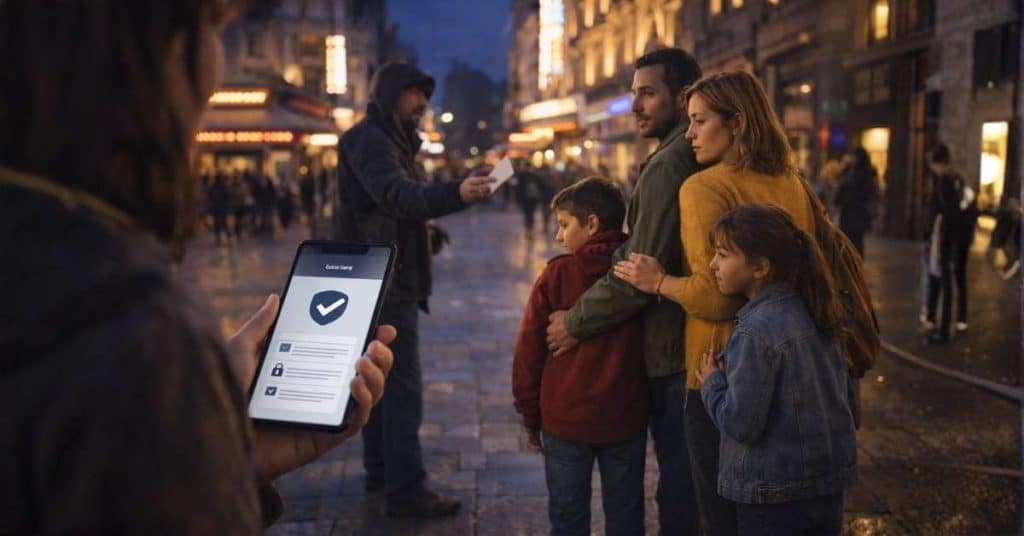
Cheap tickets are real in London, but so are avoidable traps. The fastest way to stay safe is to separate
verified discount channels from pressure-based selling. If a deal feels rushed,
vague, or oddly private, pause before paying.
Physical trap pattern around Leicester Square
Around Leicester Square, some nearby shops can look “official” at first glance. That visual similarity creates buyer confusion,
especially for tourists booking under time pressure before a show.
- Do not rely on location alone: being near theatres does not equal official status.
- Check operator identity first: ask who the seller is, who fulfills the ticket, and what support channel handles disputes.
- Request full price before payment: ticket price + fees + delivery method in one clear total.
Digital red flags
- Countdown pressure: “2 minutes left, pay now” used to force impulsive decisions.
- Unknown seller requesting bank transfer: high-risk payment route with weaker recovery options.
- DM/social offers with unrealistic discounts: vague seat details, no clear policy, no accountable seller identity.
Practical rule: if seller identity is unclear and payment method is risky, do not proceed.
STAR- and Action Fraud-aligned safety guidance consistently treats unknown bank transfers and implausible deals as major risk signals.
Too-good-to-be-true pricing
Extremely under-market prices often hide one of three outcomes: an invalid ticket, a duplicated barcode sold to multiple buyers,
or a ticket that cannot be transferred under event rules. The headline bargain looks great, but the real cost appears at entry
when the ticket fails and replacement seats are far more expensive.
Mini scenario: A family of four nearly paid for “premium tonight” tickets via Instagram DM at half price.
They stopped at the payment-method check when the seller demanded bank transfer only. They switched to a verified checkout route,
paid slightly more, and avoided a likely door-rejection disaster.
2) Your Legal Rights Snapshot
Checked: February 2026
This is a practical buyer guide, not legal advice. For live status, re-check current UK guidance before purchase.
What resale listings should disclose
In plain English, a resale listing should tell you enough to identify exactly what you are buying, not just the show title.
At minimum, you should expect clear seat or standing-area identification (where applicable), any usage restrictions
(for example age/student limits), and the ticket’s face value. If the seller is connected to the platform operator
or event organiser, that relationship should be made clear as well.
If any of this is missing, treat it as a warning signal and pause checkout. In practice, incomplete disclosure is where
many bad purchases begin.
Price transparency expectations
UK guidance expects clear, accurate, non-misleading pricing before you commit. You should be able to see the total payable
amount, including non-optional charges, before deciding to buy. “From” prices or low teaser prices that hide real costs
until late checkout are a red flag.
You should also expect clear pre-purchase information about important ticket conditions (timing, location, seat details,
and any adverse factors like restricted view), so you can make an informed decision before payment.
What changed after late-2025 announcements
After the 2025 consultation outcome, the UK government set out an enforcement direction and proposed reforms for secondary
ticketing, including a resale price cap (no profit above original unavoidable costs), a cap on resale platform service fees,
and limits on reselling more tickets than originally allowed. The response also points to enforcement via the DMCCA regime.
Critical caveat for 2026 readers: this package is implementation-dependent. The government response states it will legislate
when parliamentary time allows, so do not assume every proposed rule is already live in force on your purchase date.
Always verify current status before relying on it.
The No-Stress SOP: Pre-Purchase → Checkout → Post-Purchase
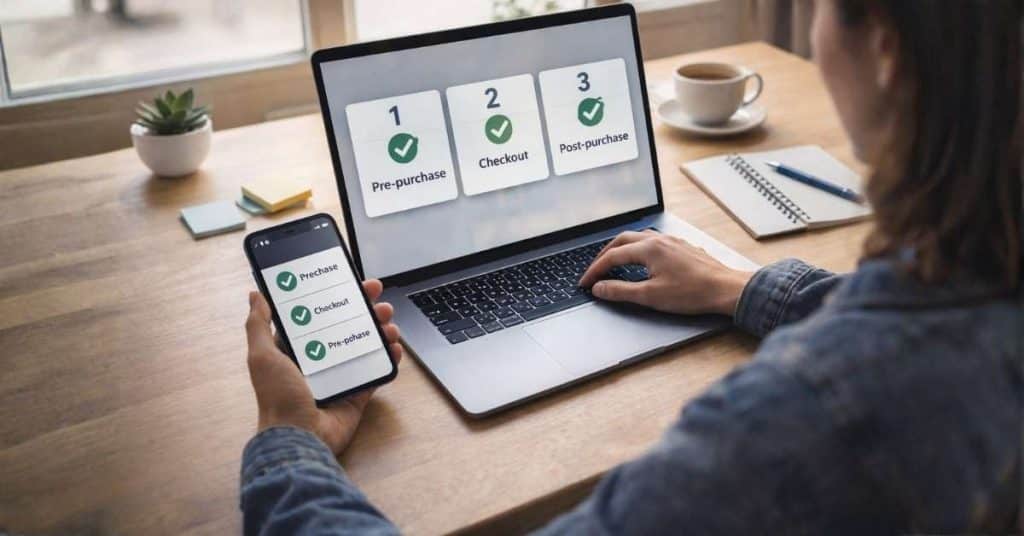
Use this as your repeatable operating procedure whenever you buy London musical tickets.
It is designed to reduce risk, preserve evidence, and keep your recovery options open if something goes wrong.
You can shortlist options first on musicalsandtickets.co.uk, then execute checkout only after these checks are complete.
Before purchase (5 checks)
- Seller legitimacy: Confirm the seller is official, clearly recognized, or a STAR-member route where relevant.
- Seat/area + restrictions: Verify section/row/seat (or standing zone), plus any age, view, transfer, or entry restrictions.
- Total payable price: Confirm full cost before paying (ticket + compulsory fees + delivery method).
- Protected payment route: Prefer payment methods that can support disputes if fulfillment fails.
- Screenshot policy terms: Save refund/exchange/cancellation terms before you click “Pay.”
At checkout
- Never pay an unknown seller by bank transfer.
- Prioritize payment methods with dispute options.
- Capture proof immediately: order number, payment confirmation, timestamp, and the policy page shown at checkout.
After purchase
- Verify core ticket data right away: show, date, time, venue, seat/zone, and ticket holder details.
- Confirm delivery format and timing: instant e-ticket, delayed release, app wallet, or collection instructions.
- If anything mismatches, contact seller in writing the same day and attach your evidence bundle.
Why this works: fast verification prevents panic buying, and complete records make disputes far easier to resolve.
If Something Goes Wrong: 24-Hour Recovery Playbook
Treat ticket problems like an incident response: act fast, document everything, and escalate in sequence.
The first 24 hours matter most for recovery options.
Hour 0–2
- Contact seller support in writing immediately. Use email or in-app chat so you have a timestamped record.
- Attach your evidence bundle: order confirmation, payment receipt, listing screenshots, policy screenshots, and ticket status/barcode screenshots.
- State the exact failure: “invalid at entry,” “wrong date/time,” “seat mismatch,” or “ticket not delivered.”
- Request a specific remedy: valid replacement ticket, equivalent seat, or full refund.
Hour 2–12
- Notify your payment provider/bank and open a dispute case. Provide your evidence bundle and seller correspondence.
- If card details may be compromised, ask for immediate protective actions (card block/reissue, transaction monitoring).
- If you transferred money to a scammer very recently, escalate urgently and follow immediate police/bank guidance.
Hour 12–24
- Report suspected fraud through UK channels: use the UK fraud reporting route online (Report Fraud / Action Fraud pathway).
- Include full case data: seller profile, payment method, amount, timestamps, communication logs, and platform details.
- Keep one case file: PDF export or folder with all screenshots and messages in chronological order.
When STAR membership helps
If the ticket seller is a STAR member and you’ve reached deadlock after using the seller’s own complaint process,
you can escalate through STAR’s ADR pathway. This gives you a structured, independent route for member transactions
when direct support has stalled.
Fast rule: written complaint first, payment dispute second, fraud report third — all within 24 hours.
How to Save Money Without Increasing Risk
Saving money on London musicals is not about chasing the absolute lowest number on your screen.
It is about choosing the right channel, the right seat strategy, and the
right spending limits before checkout.
You can use musicalsandtickets.co.uk as your planning board, then complete payment through a verified seller path.
Use official discount channels first
Start with official same-day ecosystems before you even look at random resellers.
This keeps your ticket source clearer and gives you a better support path if anything changes.
- Check official/verified same-day options first (rush, day seats, official same-day channels).
- Compare total payable price (not just headline price).
- Use resale only as a fallback after disclosure and seller checks pass.
Control move: decide your channel first, then your show.
This prevents panic purchases from unknown sellers.
Seat strategy beats blind discount chasing
A smart seat choice can save more money (and stress) than random discount hunting.
-
Restricted view vs full-view:
restricted-view can be excellent value if the limitation is clearly disclosed and acceptable for your group.
Full-view is usually worth paying extra for first-time visitors or big visual productions. -
Weekdays and matinees:
these performances often have softer demand, which can mean better pricing and calmer buying conditions. -
Off-peak date flexibility:
keeping 2–3 acceptable dates gives you leverage and reduces the chance of overpaying for one “must-be-tonight” slot.
Value test: the best ticket is not always the cheapest one.
The best ticket is the one with acceptable view, clear terms, and a total cost that fits your plan.
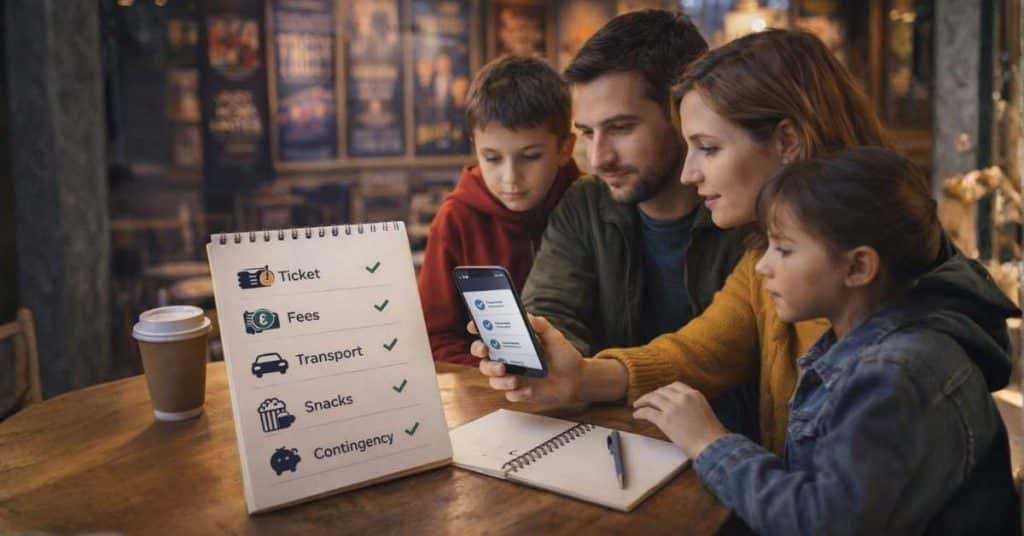
Budget framework
Use a full-evening budget, not a ticket-only budget.
That is how you stay in control from search to curtain call.
Simple framework:
- Ticket price
- Booking/delivery fees
- Transport (Tube, taxi, parking, late return)
- Interval costs (snacks/drinks)
- Contingency (10–15% buffer)
Anti-FOMO spending rule:
- Set a hard max budget before browsing.
- If a countdown timer appears, pause for 60 seconds.
- Re-check seller identity, seat details, and final total.
- If the total breaks your cap, walk away and use your backup date.
This approach is not restrictive—it is empowering.
You still get the excitement of a West End night, but on your terms, at a price you can defend, with far less risk.
Real-World Buyer Scenarios (Tactical, Not Fluffy)
First-time tourist couple
Anna and Mark have one free evening in London and want zero drama at the theatre door. They shortlist two shows on
musicalsandtickets.co.uk, then go straight to an official seller for their first price check. Next, they open one verified app
only as a comparison layer, not a replacement for verification. Before paying, they run a 30-second policy scan:
refund/exchange terms, delivery method, and exact seat details. They pay with a protected card, save order confirmation,
and screenshot policy terms in the same folder.
Fallback plan: if seats disappear or terms are unclear, they switch to their second show choice and repeat the same flow.
If final price exceeds budget by more than 10%, they move to a weekday/matinee date instead of forcing a risky last-minute purchase.
Family of four on fixed budget
A family sets a full-night cap before shopping: tickets, fees, transport, interval snacks, and a small contingency. They check official
same-day channels first and prioritize matinees, where pricing is often calmer than prime evening slots. They accept only listings with
clear seat location and restriction details (especially if a child ticket has conditions). They avoid social-media “bundle deals,” even when
screenshots look convincing, because unclear source + transfer request is a hard stop.
Fallback plan: if four seats together are unavailable at target price, they choose one of two pre-approved alternatives:
(1) same show on an off-peak date, or (2) a second-choice musical with better family inventory. They never break budget under countdown pressure,
and they buy only when total payable cost is visible before checkout.
Last-minute solo buyer
Daniel decides at 5:15 PM to catch a show tonight. He starts with rush/day-seat attempts through official or verified channels and sets a strict
time box: 20 minutes to secure a valid ticket. He filters for immediate delivery and checks three items before payment: theatre/date/time match,
ticket format (instant vs delayed), and any entry restrictions. He keeps one payment method with dispute protection and avoids any seller asking
for direct bank transfer or private DM payment.
Fallback plan: if rush inventory fails or terms are vague, he switches to official same-day inventory at a preset max budget.
If nothing verified appears by his cutoff time, he does not chase street pressure offers—he postpones to the next day and books early through the same
verified workflow.
FAQ
Quick answers for people who want cheap West End tickets without getting burned by bad sellers, unclear terms, or fake “deals.”
Is TKTS in Leicester Square the same as every booth in the square?
No. There is one official London Theatre Ticket Booth (formerly TKTS) run by SOLT in Leicester Square. Nearby shops can look similar but are not automatically affiliated. If you are buying in person, confirm the operator identity before paying.
What is the safest order to buy cheap West End tickets?
Use this order: (1) official show or venue box office, (2) Official London Theatre / TKTS route, (3) verified agencies (including STAR members), (4) resale only if disclosure checks pass. You can shortlist shows and dates on musicalsandtickets.co.uk, then complete checkout with a verified seller.
Are rush tickets guaranteed?
No. Rush tickets are limited inventory and often first-come, first-served within a defined release window. Treat rush as an opportunity, not a promise. If you miss the drop, use a fallback plan: day seats, official same-day channels, or a different performance time.
How do London ticket lotteries work?
Usually you enter during a set window, winners are drawn randomly, and winners must pay by a deadline. Miss the payment window and the ticket offer is usually forfeited. Always check entry rules, draw times, and payment terms before relying on a lottery for your trip.
Are day seats cheaper than rush tickets?
Sometimes, but not always. “Cheaper” depends on total payable cost, not headline price alone. Compare seat position, restricted-view notes, fees, and transfer conditions. A slightly higher ticket with clean terms and better sightlines can be better value than the absolute lowest price.
Is it safe to buy from social media sellers?
High risk unless the seller is clearly verifiable and you can use a protected payment route. Avoid unknown sellers asking for bank transfer. If identity, ticket details, and terms are vague, walk away. “Urgent” countdown pressure is a common scam pattern.
What details must resale listings show in the UK?
For secondary listings, buyers should be shown enough seat/standing-area detail, usage restrictions, and face value before purchase. Price information must be clear and not misleading. Missing or fuzzy disclosure is your signal to stop and verify before paying.
What payment method is safest for ticket purchases?
Use a payment method with formal dispute options through a regulated checkout flow. Avoid unknown bank transfers for ticket purchases. Also save proof: order confirmation, policy screenshot, price breakdown, and timestamp. Evidence quality determines recovery speed if anything goes wrong.
What should I do if my ticket is invalid at the venue?
Act immediately: ask venue staff to explain the issue, keep all evidence (barcode status, emails, screenshots), and contact the seller in writing the same day. Then escalate to your payment provider and report suspected fraud through UK reporting routes if needed.
Can I get a refund if a show is cancelled?
If you bought from an official seller, refunds are typically handled through the original point of purchase when the organiser cancels or reschedules. Secondary or private purchases can be harder. Always read cancellation terms before checkout and keep written proof of all communication.
Is above-face-value resale already illegal in 2026?
The UK government announced plans in late 2025 to ban resale above original cost (plus unavoidable fees) and tighten platform duties. Treat this as implementation-dependent: legal commencement and enforcement detail matter. Check current UK status before relying on any single headline.
How can I check whether a seller is legitimate quickly?
Run a 30-second check: correct URL, HTTPS lock, visible contact details, clear seat/restriction info, clear full price before payment, and readable refund/exchange terms. If any of these are missing, pause and switch to an official or verifiable channel.