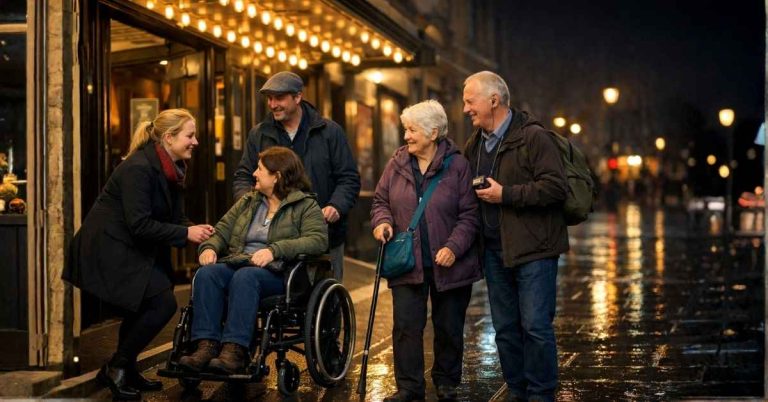

First-Time Guide to London’s West End Musicals: From Picking a Show to Taking Your Seat
Planning your first West End musical can feel exciting and slightly overwhelming. This guide walks you through every practical step, from choosing a show that suits your taste and budget to understanding seating plans, ticket types, arrival timing, and theatre etiquette, so you can enjoy London’s Theatreland with complete confidence.
What “West End” Actually Means and Why It Matters
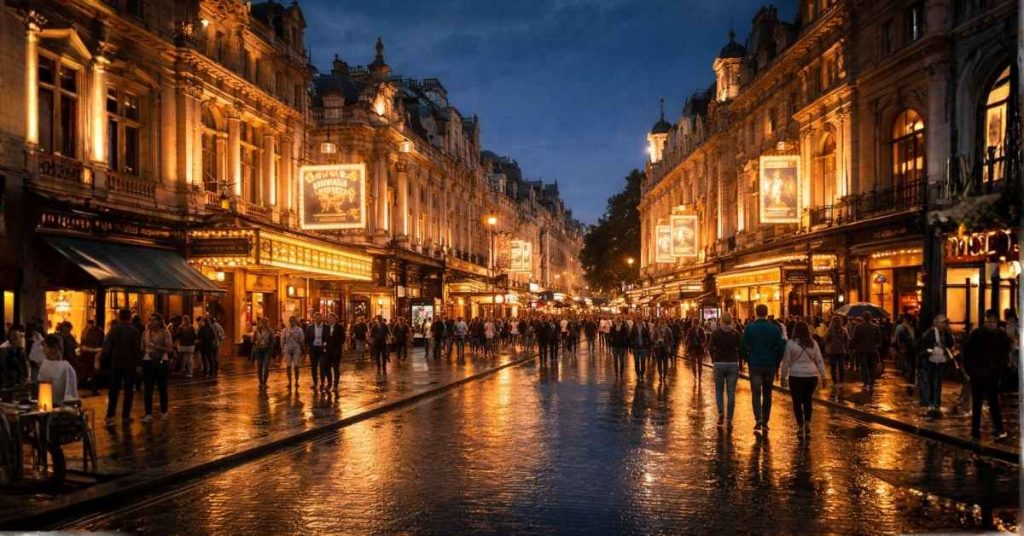
Theatreland at a glance
In London, the “West End” refers to the city’s best-known concentration of large commercial theatres, mainly around Leicester Square, Covent Garden, Soho, and nearby streets. This is where you’ll find long-running hit musicals, major revivals, and high-profile productions with bigger staging, larger casts, and strong visitor demand.
It helps to separate three labels. West End means mainstream commercial venues and headline shows.
Off-West End usually means smaller, often highly respected theatres outside the core Theatreland footprint, with more varied programming and, at times, lower prices. Fringe theatre is the most independent end of the scale: intimate spaces, experimental work, emerging creatives, and flexible formats that can feel less formal.
Why first-timers should care
For a first visit, this distinction saves you time and money. West End theatres typically offer polished production values, central locations, and easy transport links, which makes planning simpler. You’ll also have plenty of pre-theatre dining options within walking distance, from quick casual spots to classic restaurants. Pricing can be higher, especially for peak dates, but the overall experience is streamlined: clear ticketing, familiar venue standards, and a lively atmosphere that feels like a proper London night out.
Step 1 — Pick the Right Show for You
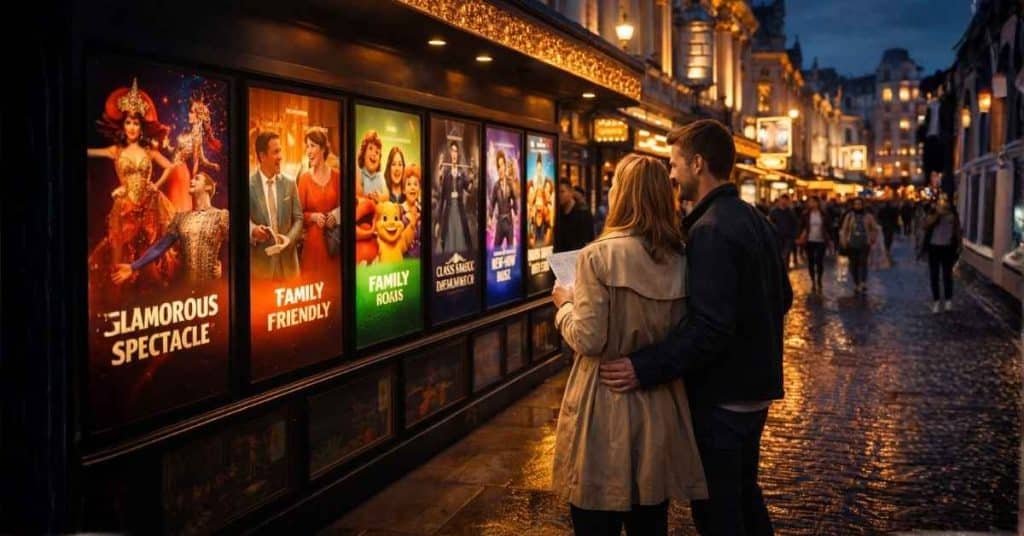
Start with your “show personality”
Before you compare prices or seating plans, decide what kind of night you actually want. Most first-time booking mistakes happen when people pick a “famous” title rather than a show style that suits them. Use this quick personality check:
- Big spectacle: You want wow-factor staging, choreography, effects, and a full sensory experience.
- Comedy musical: You want light energy, fast laughs, and a feel-good evening.
- Family-friendly: You need clear storytelling, broad appeal, and an age-appropriate tone.
- Story-driven classic: You care most about plot, character development, and iconic songs.
- New/limited run: You want something fresh, buzzy, or time-sensitive that feels special to catch now.
ABBA Voyage
ABBA Arena, London
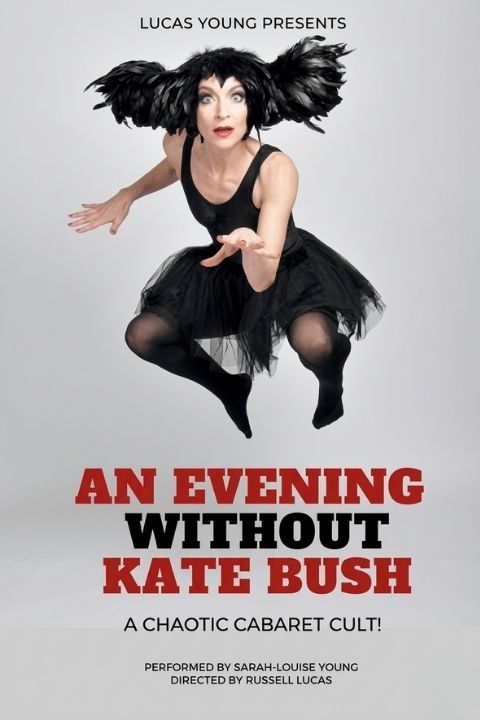
An Evening Without Kate Bush
Underbelly Boulevard in Soho
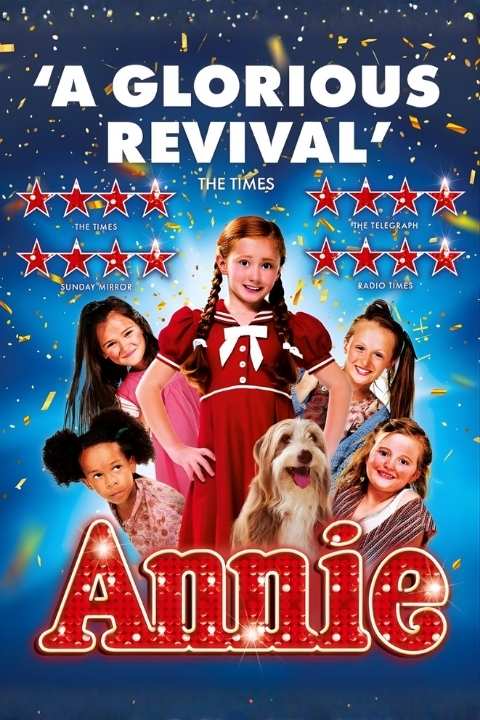
Annie
UK Tour Venues
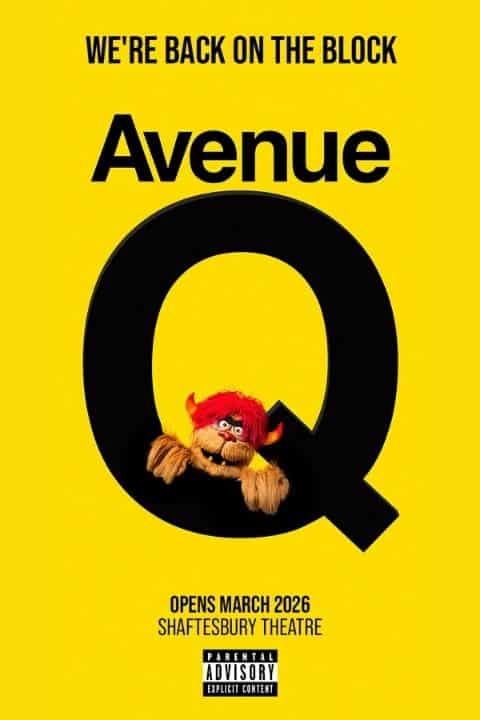
Avenue Q
Shaftesbury Theatre, London

Back to the Future The Musical
Adelphi Theatre, London
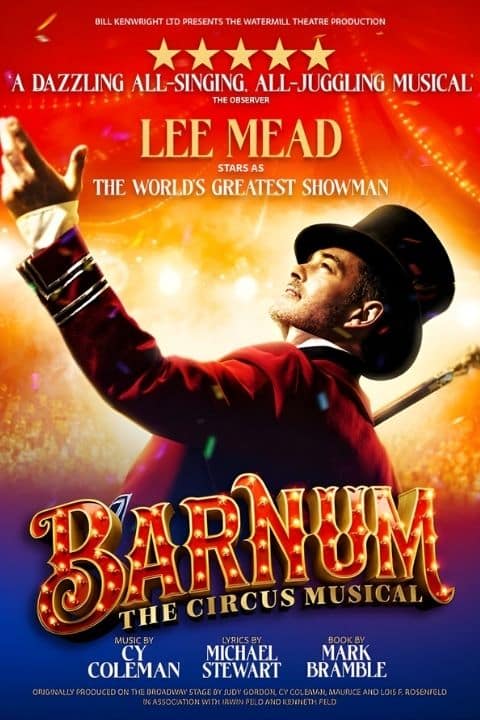
Barnum
UK Tour Venues

Beetlejuice
Prince Edward Theatre, London
Blood Brothers
UK Tour Venues
Burlesque The Musical
Arts at Marble Arch, London
Cabaret
Playhouse Theatre, London

Dirty Dancing
UK Tour Venues
Disney's Hercules
Theatre Royal Drury Lane, London

Disney's The Lion King
Lyceum Theatre, London
Hadestown
Lyric Theatre, London

Hamilton
Victoria Palace Theatre, London

High Society
Barbican Theatre, London

Hooray For Hollywood
Duchess Theatre, London

I'm Every Woman: The Chaka Khan Musical
Peacock Theatre, London

Into The Woods
Bridge Theatre, London

Jersey Boys
Trafalgar Theatre, London
Just For One Day – The Live Aid Musical
UK Tour Venues
Kinky Boots
London Coliseum, London
Legally Blonde
UK Tour Venues

Les Misérables
Sondheim Theatre, London
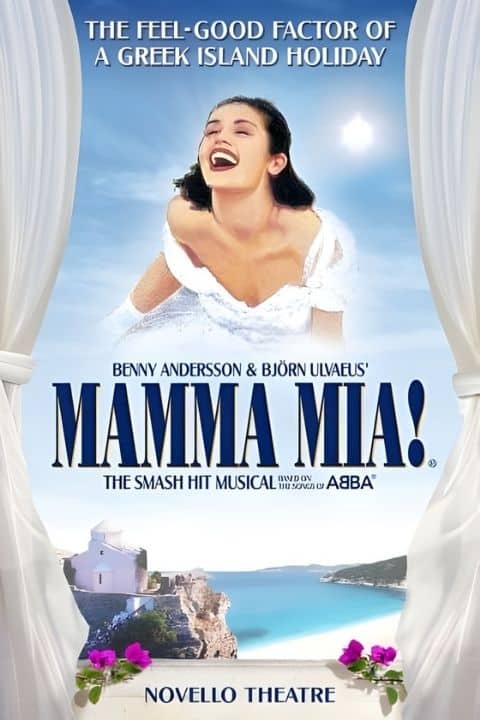
Mamma Mia!
Novello Theatre, London

Matilda The Musical
Cambridge Theatre, London

Mean Girls
UK Tour Venues

Miss Saigon
UK Tour Venues
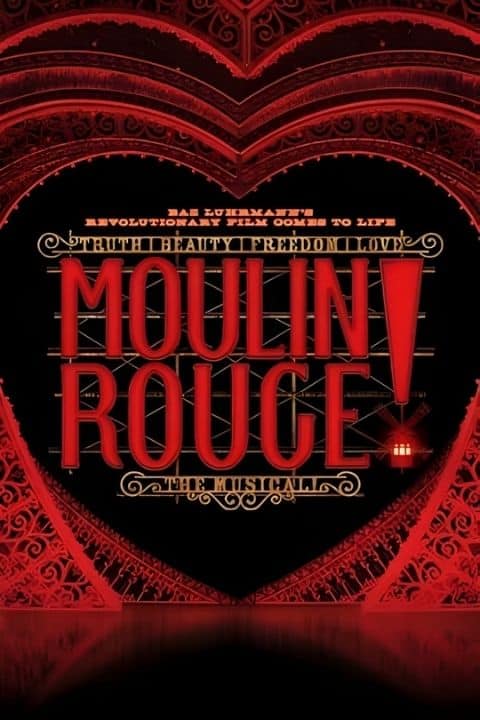
Moulin Rouge The Musical
Piccadilly Theatre, London

Mrs Doubtfire
UK Tour Venues

Oliver!
Gielgud Theatre , London
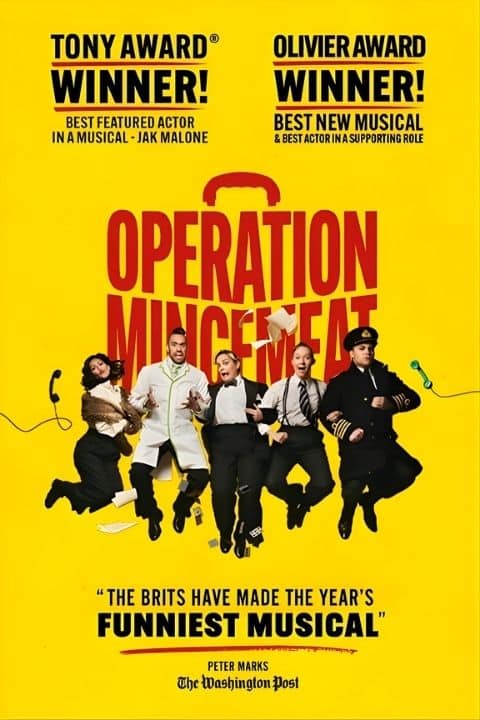
Operation Mincemeat
Fortune Theatre, London

Paddington The Musical
Savoy Theatre, London

Priscilla Queen of the Desert
UK Tour Venues

SIX The Musical
Vaudeville Theatre, London
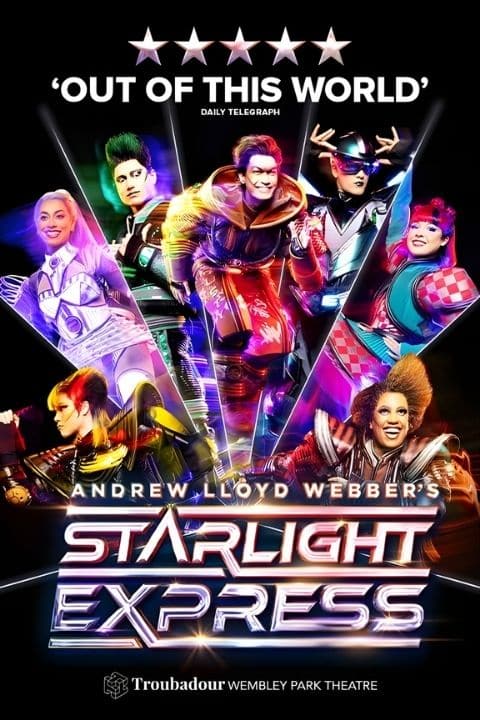
Starlight Express
Troubadour Wembley Park Theatre, London
Sunny Afternoon
UK Tour Venues
The Ballad of Johnny and June
UK Tour Venues
The Bodyguard
UK Tour Venues

The Book of Mormon
Prince of Wales Theatre, London

The Choir of Man
Arts Theatre, London

The Devil Wears Prada
Dominion Theatre, London

The Karate Kid The Musical
UK Tour Venues

The Phantom of the Opera
His Majesty's Theatre, London
The Producers
Garrick Theatre, London

The Rocky Horror Show
UK Tour Venues

The Unlikely Pilgrimage of Harold Fry
Theatre Royal Haymarket, London

TINA: The Tina Turner Musical
UK Tour Venues
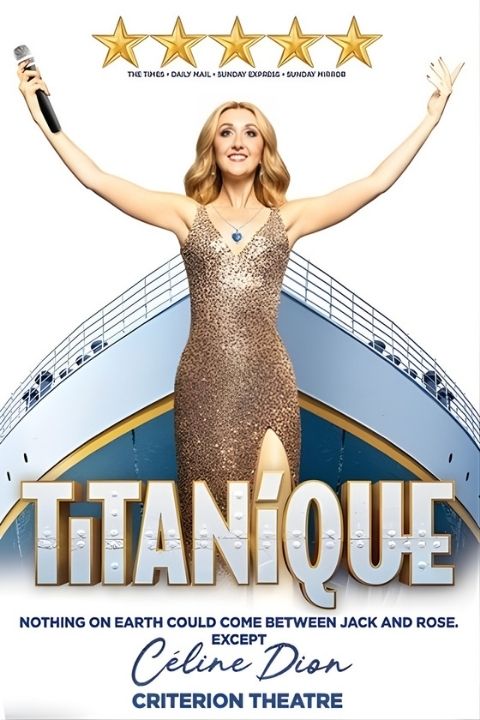
Titanique
Criterion Theatre, London
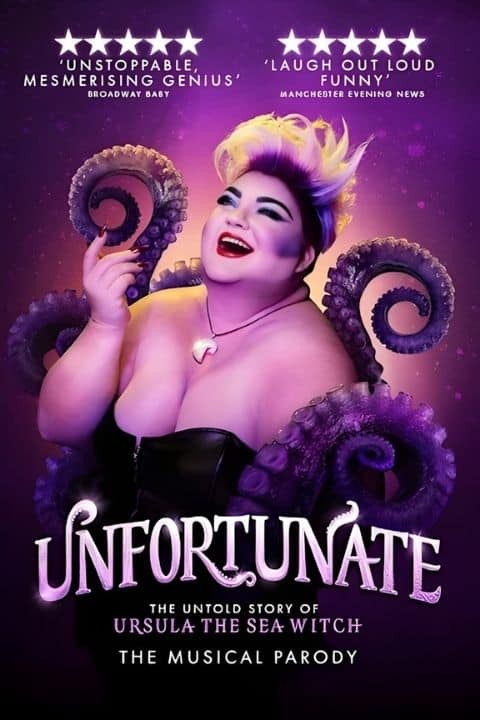
Unfortunate: The Untold Story of Ursula the Sea Witch
The Other Palace, London

Waitress
UK Tour Venues

Wicked
Apollo Victoria Theatre, London
The 5 filters to apply before buying
Once you know your show personality, run every option through these five filters:
- Tone: Decide whether you want uplifting escapism or a darker, emotionally heavy story.
- Running time: Check total length and interval timing, especially if you have an early start the next day.
- Age suitability and content: Confirm age guidance and any themes that may not suit your group.
- Performance language/accent clarity: If English isn’t your first language, favour dialogue clarity and strong visual storytelling.
- Dates and cast schedule reliability: Verify performance dates and note that principal cast appearances can vary.
Quick “show fit” matrix
If you loved X film/music style, try Y type of musical:
- If you love blockbuster fantasy/action films, try a big spectacle musical.
- If you replay upbeat pop playlists, try a comedy or jukebox-style musical.
- If your group spans children and adults, try a family-friendly title.
- If you prefer period dramas or literary adaptations, choose a story-driven classic.
- If you chase cultural buzz and “saw-it-first” moments, choose a new or limited run.
Mini-example: Ben and Lara are both first-timers. Ben wants high energy after a long work week, loves pop hooks, and prefers a lighter mood, so he books a comedy-led musical with strong music and visual pace. Lara wants emotional depth, strong characters, and memorable storytelling, so she chooses a classic narrative musical with a longer runtime and central seats for clearer stage coverage. Same city, same week, two very different “right” choices.
Step 2 — Choose the Right Date and Time
Matinee vs evening: practical comparison
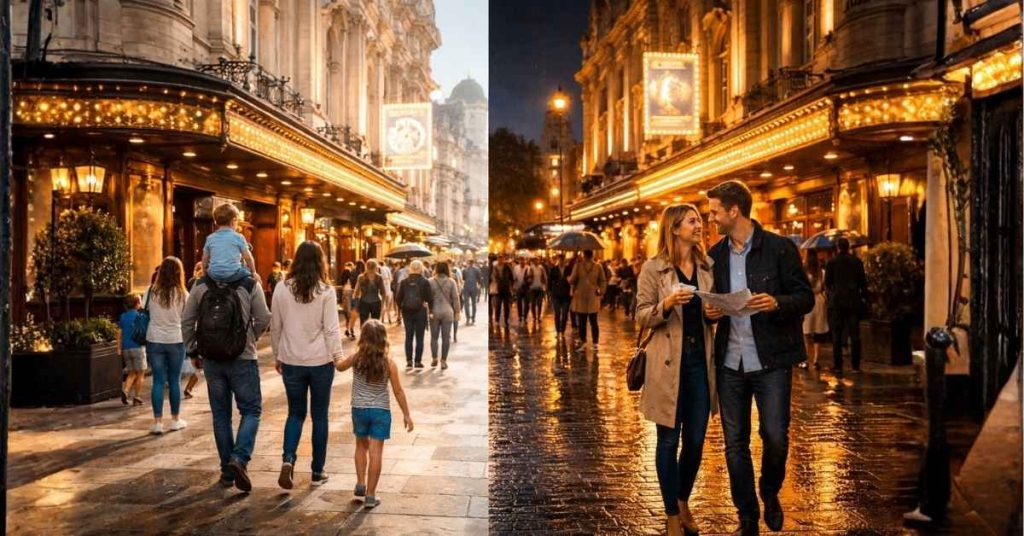
Your performance slot shapes the whole experience, not just the curtain time. Matinees usually suit visitors who want a calmer pace: you travel in daylight, finish earlier, and still have the evening free. They are often easier for children and anyone managing energy levels. Evening shows can feel more atmospheric and “big night out”, but they require tighter time management, especially if you rely on late public transport.
- Energy level: Choose matinee if you fade in the evening; choose evening if you enjoy a livelier night-time mood.
- Travel timing: Matinees reduce late-night travel stress; evenings may involve busier post-show routes.
- Dining windows: Matinee allows late lunch or early supper; evening suits classic pre-theatre dinner plans.
- Family suitability: Matinee is usually the safer choice for younger children and first-time family outings.
Weekday vs weekend trade-offs
Weekdays often offer better value and slightly more choice in comparable seating bands. Weekends bring stronger demand, higher pressure on popular performances, and fuller public spaces around Theatreland. If flexibility matters, weekday bookings are easier to optimise; if convenience matters, weekend slots may still be worth the premium.
Seasonal considerations
School holidays and the Christmas period push demand up quickly, especially for family titles and headline productions. Winter weather can also cause transport delays, so build in extra buffer time. During peak tourist periods, book earlier and prioritise reliable routes over optimistic timing.
Checklist: Best performance slot if you’re…
- A family: Weekend matinee or early weekday matinee.
- A budget traveller: Midweek evening or off-peak matinee.
- A commuter: Weekday evening with a realistic journey home plan.
- On a first date: Evening show with pre-booked dinner nearby.
Step 3 — Buy Tickets Safely and Strategically
Trusted buying routes
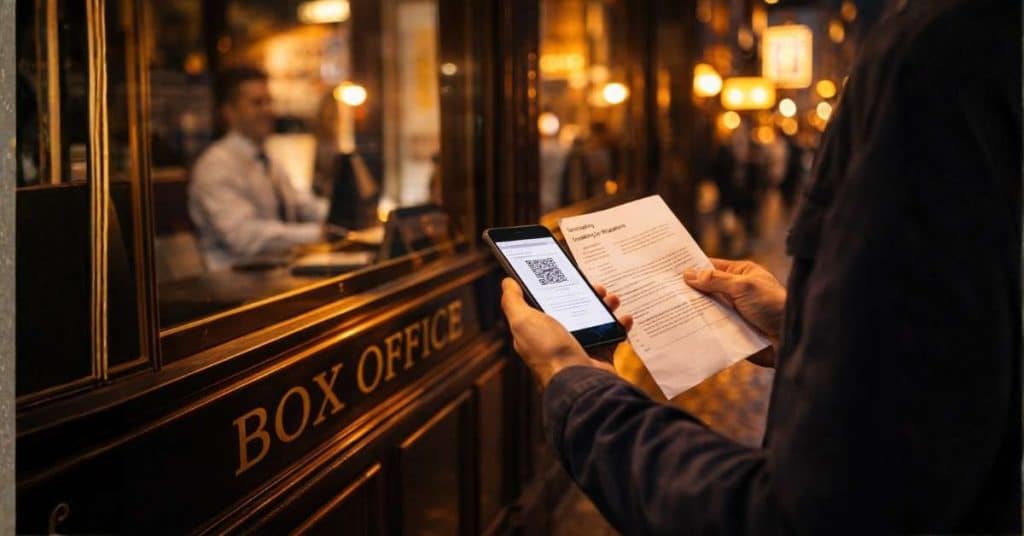
For a first West End visit, where you buy matters almost as much as what you buy. Start with official ticketing platforms linked from the production or theatre website, then cross-check with the venue box office. Box office purchasing is often the clearest route for accurate seat location, ticket terms, and accessibility questions. Reputable partners can also be useful when they display transparent fees, clear seating plans, and straightforward refund language. A reliable rule is simple: if a seller cannot clearly confirm section, row, and seat conditions before payment, treat that as a warning sign and move on.
Same-day and last-minute options
If your plans are flexible, same-day listings can deliver excellent value. Check official daily-deal pages early, shortlist two or three acceptable shows, and set a firm budget cap before browsing. In-person booth buying can make sense when you are already in Theatreland and want quick human guidance on sightlines or value bands. It is less suitable if you need one specific title at one specific time, because high-demand performances may leave only expensive or weaker-view seats by late afternoon. Flexibility is your leverage: the more open you are on title, time, and seat zone, the better your odds of a smart last-minute buy.
Understand pricing mechanics
Many first-timers focus on the headline figure and then feel frustrated at checkout. Break every offer into parts: face value, booking or service fees, and any restoration levy where applicable. Two tickets with similar final totals can represent very different value if one seat has better legroom, a cleaner viewing angle, or a more comfortable section. Also watch for dynamic pricing: peak dates, school holidays, and high-profile casts can push prices up quickly, while quieter midweek performances may soften. Always compare the final payable total, not the first number shown in search results.
Rush/lottery/returns/partial-view options
These routes can be brilliant for flexible, budget-focused visitors. Rush and lottery schemes may offer strong seats at a fraction of standard cost, while returns can reopen sold-out performances. Partial-view tickets can also be a good deal if you understand exactly what is blocked. The risk is uncertainty: first-timers with children, tight travel schedules, or one chance to see a show may find these options stressful. If your evening must run smoothly, paying slightly more for certainty, clearer sightlines, and a fixed plan is usually the wiser move.
Fraud and resale red flags
- Unverified sellers: no clear business identity, vague terms, or no support channel.
- “Too good to be true” timing: extreme discounts with urgent pressure to pay immediately.
- Missing seat details: no section/row information or “best available” with no specifics.
Practical tool: ticket-buying decision tree
- Must-see show on a fixed date? Book early via official platform or venue box office.
- Budget is your top priority? Check official same-day deals, then rush or lottery options.
- Need guaranteed comfort and view? Avoid speculative resale and unclear partial-view listings.
- Travelling with family or access needs? Buy direct and confirm policies before paying.
- Fees unclear at checkout? Stop and switch seller.
Practical tool: 72-hour to curtain strategy
- T-72 hours: choose your first-choice show plus one backup; set your maximum budget.
- T-48 hours: compare trusted sellers and final totals by seating band.
- T-24 hours: lock your spending limit and avoid panic upgrades.
- T-12 hours: check official same-day releases and legitimate returns.
- T-3 hours: buy from a trusted source only, save your e-ticket offline, and confirm travel timing.
Step 4 — Decode Seating Plans Like a Pro
Stalls vs Dress Circle vs Upper levels
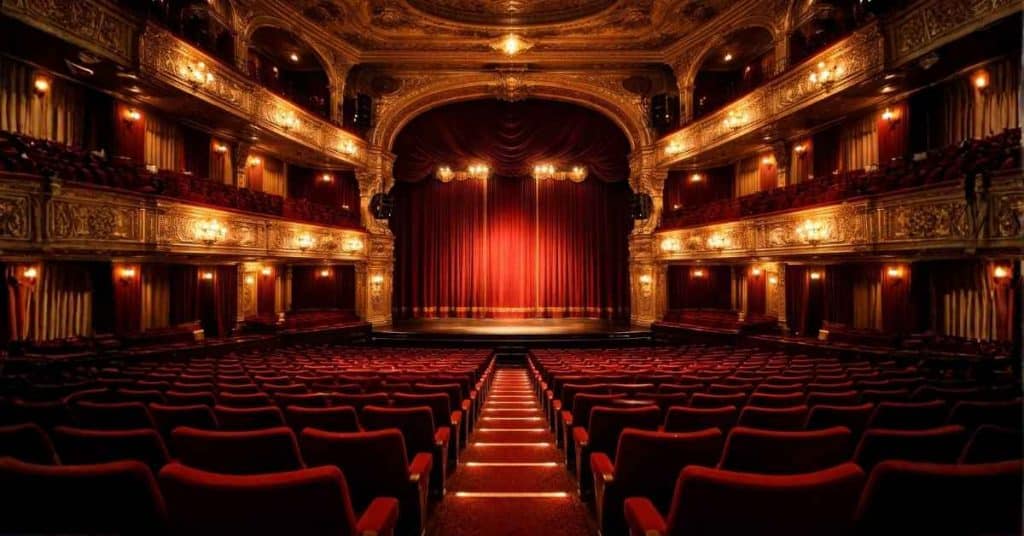
Seating plans look simple until you realise each level delivers a different kind of experience. Stalls usually feel the most immersive: you are closer to facial expressions, costume detail, and stage energy. The trade-off is perspective. If you sit too close, you may miss wider choreography patterns or upstage action, and your neck angle can become tiring in scenes played high on set pieces. Dress Circle often gives the most balanced view for first-timers: better full-stage coverage, easier depth perception, and less risk of missing action on the far sides. Upper levels can offer excellent value and surprisingly strong overview sightlines, but distance reduces facial detail, and safety rails can affect the front rows.
When comparing levels, think in trade-offs, not “best seat in the house” mythology. Closer is not always better; clearer is usually better.
Restricted view: when it’s worth it
“Restricted view” means part of the stage is blocked by architecture (pillars, side walls, overhangs, or rails) or by your angle to the action. It does not always mean “terrible seat”, but it does mean compromise. For first-timers, it can be worth it when the discount is meaningful and your expectations are realistic.
Some productions tolerate restrictions better than others. Dance-heavy, visual, ensemble-driven shows can remain enjoyable with minor side-angle loss because movement and music still carry the experience. Dialogue-heavy, plot-dense shows are less forgiving: if key scenes play at the blocked edge, you may lose crucial story moments. If the seat note says “significant restriction”, treat it as a budget-only choice, not a premium experience at a lower price.
Sightlines and comfort factors
Price and row number are only half the story. Check comfort variables before checkout:
- Legroom variability: can differ sharply by row, especially in older venues.
- Seat pitch: tighter pitch means less knee and shoulder space.
- Side angles: extreme left/right can hide entrances, duets, or set transitions.
- Safety bars and rails: common in upper sections, especially front rows.
If comfort is non-negotiable, avoid choosing purely by the cheapest visible price. A slightly higher band can buy dramatically better stamina for a two-and-a-half-hour show.
Seat-selection framework (easy formula)
Use this quick formula: Right Seat = Budget Band + View Priority + Comfort Priority + Access Needs.
- Budget band: set a hard ceiling before browsing.
- View priority: choose full-stage clarity or close-up immersion.
- Comfort priority: if you are tall or sensitive to cramped seating, weight this heavily.
- Mobility/hearing/vision needs: favour direct booking channels so requirements are confirmed clearly.
Mini case studies
- £35 smart buy: A midweek upper-level central seat beats a cheaper extreme side seat in the stalls. Result: fuller stage picture, less missed action, better overall value.
- Best value for tall visitor: Instead of front stalls, choose Dress Circle a few rows back where seat pitch is often kinder. Result: better leg comfort and clearer whole-stage view.
- First-timer who hates heights: Avoid upper tiers entirely and book rear stalls or lower Dress Circle centre. Result: lower anxiety, better focus, and a more enjoyable first experience.
Step 5 — Plan Theatre Day Logistics
Getting there without stress
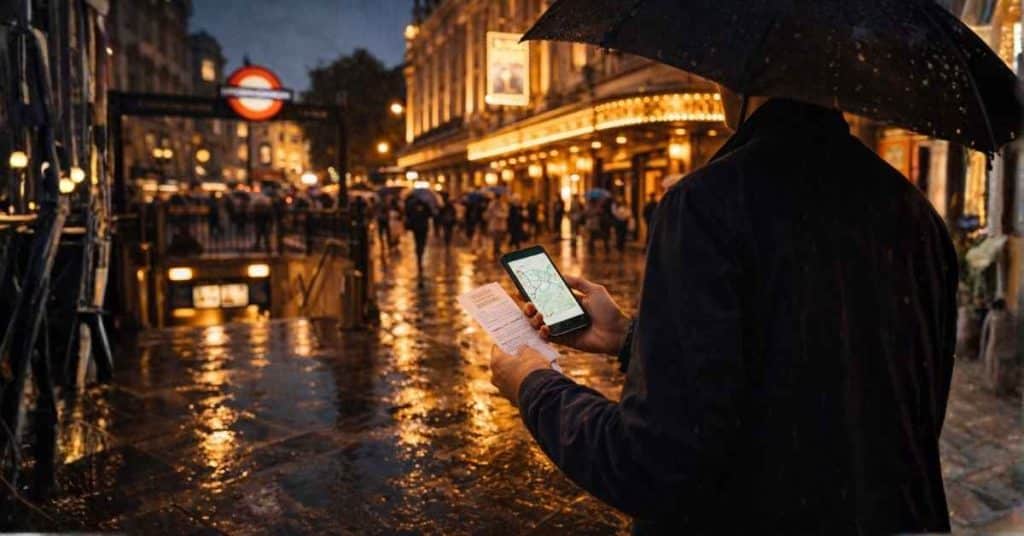
The easiest first-timer win is treating theatre night like a timed route, not a casual stroll. Pick your Tube station and final walking path in advance, then save both on your phone. If two stations are equally close, choose the one with the simpler interchange and fewer platform changes. In central London, a 10-minute walk can be faster and calmer than one extra line swap.
Build buffer time on purpose: aim to be in the theatre area 45–60 minutes before curtain, not at the door at the last minute. That protects you from minor delays, wrong exits, and long pedestrian crossings around busy junctions. Also create a rain plan. London weather can switch quickly, so carry a compact umbrella or light waterproof and shoes you can walk in comfortably on wet pavements.
Timing blueprint
A reliable timeline removes nearly all first-visit stress. Target arrival at the venue doors 30–40 minutes before showtime. This gives you space for security checks, ticket scanning, cloakroom decisions, and finding your row without rushing.
- Arrive window: 30–40 minutes before curtain is ideal for most West End venues.
- Queue expectations: security and bar queues can spike in the final 15 minutes and during the interval.
- Pre-order drinks/snacks: where available, pre-order at the bar before the show starts to avoid interval bottlenecks.
If you are dining first, book somewhere within a practical walking distance and request the bill early. “Relaxed dinner” and “curtain deadline” do not naturally cooperate, so plan that transition like a relay handover.
What to bring and what not to bring
- Bring: your e-ticket plus a backup screenshot (or printed copy), charged phone, ID, and a payment card.
- Bring: essentials only—small bag, tissues, medication, and travel card/contactless payment method.
- Avoid: oversized bags, bulky shopping, and anything that slows security checks.
- Expect: bag checks and standard venue security procedures before entry.
Step 6 — Accessibility, Families, and Special Requirements
Access support to check before booking
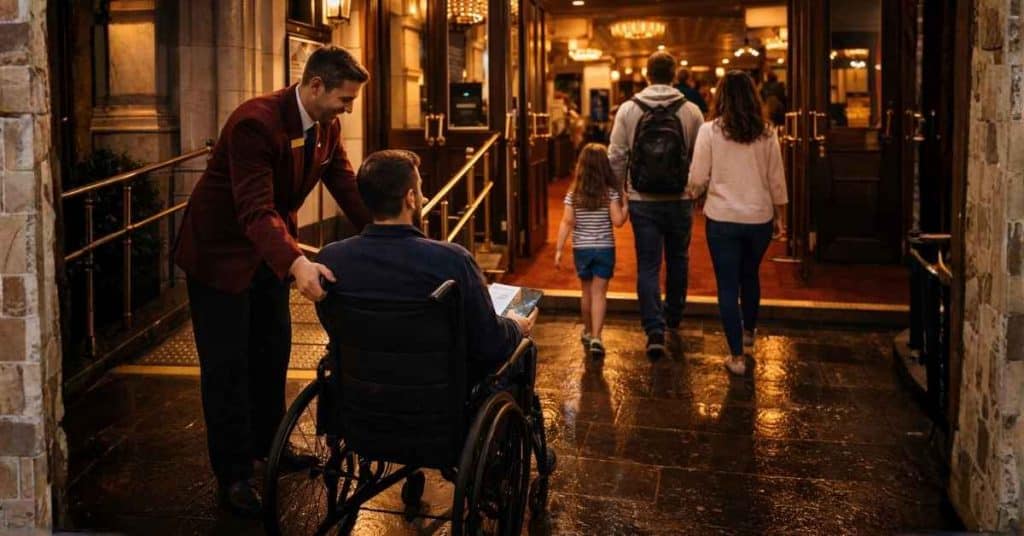
If anyone in your group has access needs, book directly through the venue or an official ticketing channel and confirm details before paying. Theatre layouts vary, and the same seat category can work very differently from one building to another. Ask specifically about your full journey: street entrance, foyer, auditorium, interval facilities, and exit route.
- Step-free routes: confirm whether access is step-free from pavement to seat, not just to the main entrance.
- Transfer seats: check whether staff can assist with transfers from wheelchair positions where appropriate.
- Accessible toilets: verify location, key access if required, and interval congestion patterns.
- Hearing support options: ask about hearing loops, headsets, or infra-red systems and where to collect them.
- Companion ticket policies: these are venue dependent, so confirm eligibility and required documentation in advance.
Access performances explained
Access performances are designed to make productions more usable for different audiences. They are not all the same, so match the format to your needs:
- Captioned: spoken dialogue and key sound cues appear as text on a display.
- Audio-described: live narration explains visual action, usually via a headset.
- BSL interpreted: a British Sign Language interpreter signs dialogue and songs from a designated position.
- Relaxed performances: adjusted sound/light levels and a more flexible audience environment, often helpful for neurodivergent guests or sensory sensitivities.
Going with children
Age guidance is non-negotiable for first-timers. It is there for content suitability, runtime endurance, and audience experience. Minimum age rules differ by production, and some venues apply stricter entry policies even for matinees. Check both the show listing and theatre terms before booking.
Plan around child stamina, not just excitement at 6 pm. A long first act, late finish, queues, and busy travel can push children past their limit. Choose age-appropriate titles, book seats with easier aisle access where possible, schedule food before the show, and use the interval as a reset point for toilets, water, and a quick energy check.
Step 7 — West End Etiquette: What First-Timers Need to Know

House rules that matter
West End etiquette is mostly common sense, but a few habits make a big difference for everyone around you. Keep your phone on silent before the lights dim, and avoid checking notifications during the performance, even briefly, because screen glow is distracting in a dark auditorium. Photography and filming are usually prohibited during the show, including short clips for social media. Take photos only where the venue allows, typically before curtain, during the interval, or after bows.
Talking should be kept to an absolute minimum once the performance starts, and singing along is generally not appropriate unless the production explicitly invites audience participation. Food and drink policies vary by theatre; small snacks and purchased drinks may be permitted in some venues, but noisy packaging, strong-smelling food, and rustling wrappers are a fast way to become unpopular with your entire row.
Late arrival realities
If you arrive after curtain, front-of-house staff may hold latecomers until a suitable break in the action. This protects performers, sightlines, and the audience experience. In practice, “I’m only five minutes late” can still mean missing part of Act One.
To reduce risk, aim to reach the theatre area 45–60 minutes early, use a route with fewer line changes, and keep your ticket open and ready before you join the entry queue.
Dress code reality check
Smart-casual is the normal West End baseline. You do not need formalwear unless you want it. Prioritise comfort, weather-ready layers, and shoes you can walk in confidently. The goal is to enjoy the show, not survive your outfit.
Step 8 — From Door to Seat: What Happens on the Night
Entry flow
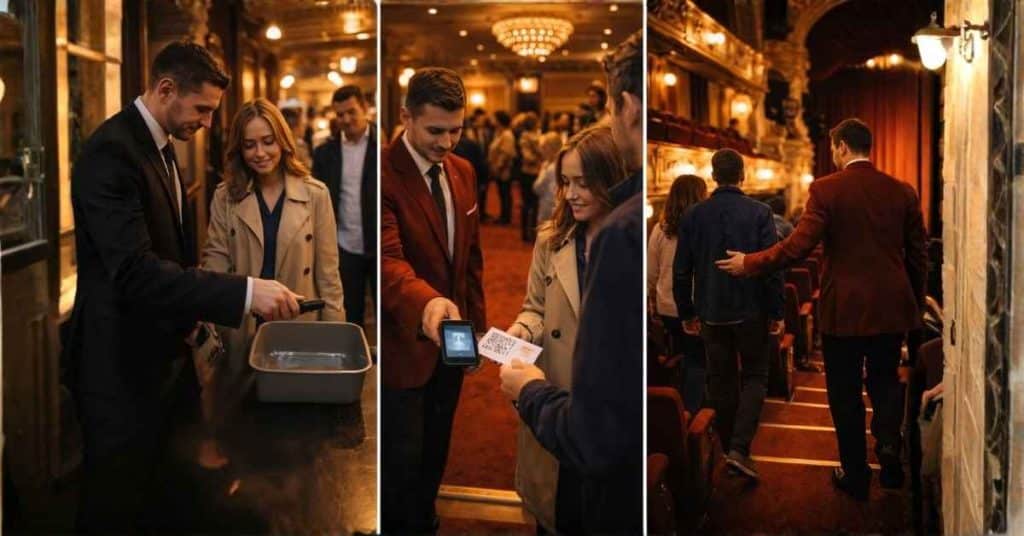
Once you reach the theatre, the process is usually smooth if you are prepared. First comes a quick security check, often including a bag inspection, so keep essentials easy to access. Next, staff scan your mobile or printed ticket at the entrance point. After scanning, ushers direct you to the correct level, block, row, and seat number. If you are unsure, ask immediately rather than wandering; West End venues can have narrow stairways, split levels, and similarly named sections that confuse first-timers.
A practical tip: open your ticket before you reach the door, increase screen brightness, and save a screenshot in case mobile signal drops.
Interval game plan
Intervals are short and queues build fast. Decide your priority the moment the lights come up: toilets first, drinks second, photos third. If the venue offers pre-ordering, use it before Act One starts to avoid spending the interval in a bar queue. Keep an eye on return bells or announcements so you are seated before Act Two begins.
Curtain call and exit strategy
At the end, expect transport pinch points around nearby Tube stations and major crossings. If you need a fast exit, sit closer to an aisle where possible, leave promptly after bows, and walk one stop further before boarding to avoid the first wave crowd. If you prefer a calmer finish, wait ten minutes nearby, then travel once queues ease.
Common First-Timer Mistakes (and How to Avoid Them)
Mistake → Consequence → Better move.
| Mistake | Consequence | Better move |
|---|---|---|
| Buying before checking running time | You miss trains, dinner bookings, or hit a stressful late finish. | Check full duration (including interval) before payment and plan your journey home first. |
| Ignoring restricted view wording | You lose key moments at the edge of the stage and feel short-changed. | Read seat notes carefully and only accept restricted view when the discount clearly justifies the compromise. |
| Underestimating travel time | Late arrival, rushed entry, and possible delayed seating until a suitable break. | Aim to be in Theatreland 45–60 minutes before curtain with a backup route ready. |
| Bringing oversized luggage | Slower security, storage problems, and unnecessary hassle before the show. | Travel light: small bag, essentials only, and check venue rules in advance. |
| Arriving exactly at curtain time | Queues, stress, missed opening numbers, and a poor start to the night. | Target venue doors 30–40 minutes early, ticket open and ready to scan. |
| Choosing the cheapest seat without checking angle | Neck strain, blocked sightlines, and weaker overall experience. | Compare value, not just price: prioritise central sightlines and comfort within your budget band. |
The pattern is simple: most first-time problems are preventable. A few checks before booking, plus a realistic arrival plan, will give you a smoother evening and a much better first West End memory.
Three Done-for-You First-Timer Plans
Budget-first plan
If your top goal is value, build your evening around official same-day inventory and stay flexible on title, section, and start time. Begin checking listings in the morning, shortlist three acceptable shows, and set a hard maximum spend before you click anything. This keeps you from “saving money” on paper, then overspending at checkout because options are disappearing.
Use a simple seat compromise framework: protect the stage view first, compromise on distance second, and compromise on date/time third. In practice, that means a central upper-level seat is often a smarter buy than a cheaper extreme side seat with heavy angle loss. If the only low-price option is marked restricted view, take it only when the discount is meaningful and you are comfortable missing parts of staging.
- Priority order: view clarity → final price → proximity.
- Avoid panic upgrades in the last 10 minutes of checkout.
- Keep one backup show so you never feel trapped into a poor ticket.
Comfort-first plan
If you care most about a relaxed, premium-feeling evening, pay early attention to arrival timing and legroom. Aim to be in Theatreland 60 minutes before curtain, then at venue doors 35–40 minutes before start. That buffer removes rushing, gives you time for facilities, and lets you settle properly before Act One.
For seating, prioritise zones known for better overall comfort rather than closest distance alone. Mid-stalls or balanced Dress Circle positions often provide a stronger mix of sightline, posture, and leg space than very front rows or steep side angles. If you are tall, treat seat pitch as a core requirement, not a bonus.
Family-first plan
For families, reliability beats spontaneity. Choose a matinee whenever possible, confirm age guidance before booking, and favour shows with a shorter runtime to protect energy levels. Build the day around children’s stamina: early meal, easy walk to the venue, and no tight transport changes.
Book seats with practical access (for quick interval breaks), carry only essentials, and use the interval as a reset: toilets, water, and a calm return to seats before the bell. The best family plan is the one that feels predictable from door to door, not the one that looks perfect on social media.
First-Time West End Checklist
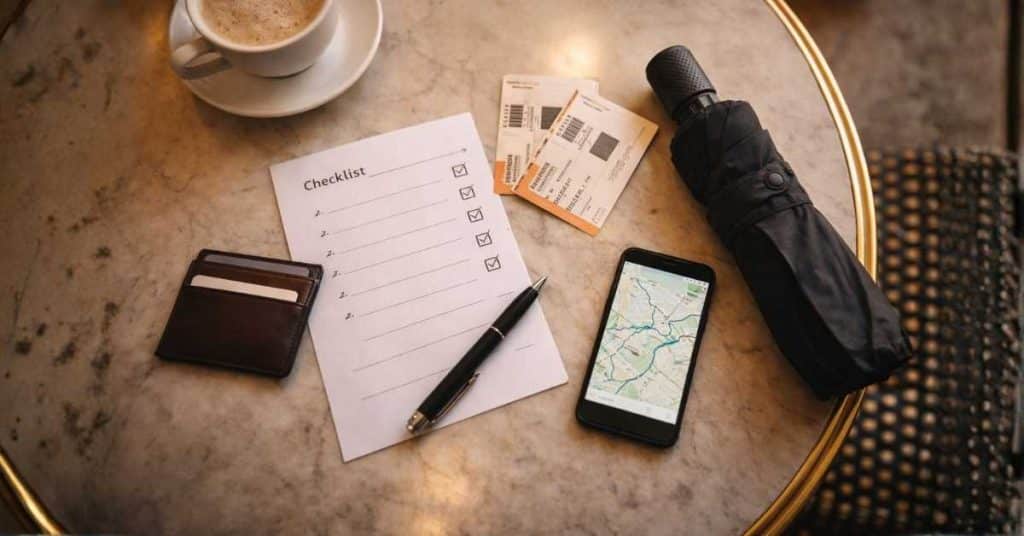
Print this, screenshot it, or keep it in your notes app. Run through every line before you leave. A two-minute check now can save a stressful hour later.
- ☐ Show fit confirmed: I chose a musical that matches my taste, mood, and energy level.
- ☐ Age/content checked: I reviewed age guidance and content suitability for everyone in my group.
- ☐ Seat trade-off accepted: I understand my view (including any restrictions) and I’m happy with it for the price.
- ☐ Ticket source verified: I booked through an official or clearly reputable seller.
- ☐ Route + buffer set: My travel plan is saved, with extra time for delays.
- ☐ Bag compliant: I’m carrying a small, venue-appropriate bag and essentials only.
- ☐ Arrival target saved: I plan to reach venue doors 30–40 minutes before curtain.
- ☐ Backups ready: I stored ticket screenshots, booking email, and key details offline.
If every box is ticked, you’re set for a smooth first West End night.
FAQ Section
How early should I arrive?
Aim to reach the theatre doors 30–40 minutes before curtain, and the wider Theatreland area 45–60 minutes before. That gives you breathing room for security checks, ticket scanning, toilets, and finding your row without rushing. If you have children or access needs, add another 10–15 minutes.
Are matinees better for first-timers?
Often, yes. Matinees are usually easier for families, first-time visitors, and anyone who prefers lower travel stress. You finish earlier, avoid late-night transport pressure, and can still enjoy dinner afterwards. Evening shows can feel more atmospheric, but they demand tighter timing and stronger end-of-day energy.
Is restricted view ever worth it?
It can be, but only when the price reduction is meaningful and you accept the compromise. “Restricted view” may mean missing side-stage action, choreography details, or key story moments. It is usually safer for repeat visitors or very flexible budgets than for a one-off first West End experience.
Can I get cheap tickets on the day?
Yes, sometimes. Same-day official listings, returns, and selected deals can offer strong value, especially midweek. Your success depends on flexibility: if you are open on show, seat zone, and time, you have better odds. If you need one exact title on a fixed slot, book earlier for certainty.
Is the dress code strict?
Not usually. Smart-casual is the normal West End baseline. You do not need formalwear unless you want it for the occasion. Prioritise comfort, weather-appropriate layers, and shoes you can walk in confidently. The best outfit is one that lets you enjoy the show, not endure it.
Can I bring luggage?
Large luggage is a common problem and may be refused, depending on venue policy and security capacity. Small bags are usually fine, but expect checks. If you are travelling with suitcases or bulky shopping, store them elsewhere before arrival. Always review your theatre’s specific bag rules in advance.
What if I’m late?
Latecomers are often held until a suitable break in the performance, which can mean missing part of Act One. If delay is unavoidable, keep moving, open your ticket in advance, and contact the venue while travelling if possible. Do not assume immediate entry, even if you are only a few minutes late.
Are West End musicals suitable for children?
Many are, but suitability varies by production. Check age guidance, content notes, and runtime before booking. A brilliant show can still be the wrong fit if it finishes too late or runs too long for your child’s stamina. For first family visits, matinees and shorter productions are usually the safest choice.
How do I find accessible performances?
Start with the show’s official listing and theatre access page, then book through a direct channel where staff can confirm details. Look for captioned, audio-described, BSL-interpreted, or relaxed performances. Also confirm practical logistics: step-free route, toilet access, transfer options, and any companion ticket eligibility requirements.
Can I leave during the show?
You can leave if necessary, but re-entry may be delayed until an appropriate moment. Frequent movement disrupts performers and nearby audience members, so it is best avoided. Plan toilets, drinks, and comfort needs before curtain and during the interval to reduce the chance of mid-act exits.
Do all tickets include fees?
Not always in the way people expect. Some listings show a base price first, then add booking or service fees at checkout. Others display a more inclusive total earlier. Compare final payable amounts, not just headline prices. Two “similar” tickets can differ significantly once fees and levies are included.
Should I book months in advance?
If you want a specific show, date, and seating band, yes—earlier booking usually gives better choice and less stress. If your priority is price and you are flexible, you can wait for short-notice options. First-timers with fixed travel plans should generally favour certainty over last-minute gambling.
What’s the best area to sit on a first visit?
For many first-timers, central Dress Circle or balanced mid-stalls seats offer the best mix of clarity and comfort. You get stronger full-stage perspective than very close seats, with less risk of awkward viewing angles. Avoid extreme sides if possible, especially for story-heavy productions where detail matters.
Are e-tickets reliable?
Yes, generally, as long as they come from a trusted source. Keep a backup: screenshot the barcode/QR code, save confirmation emails offline, and bring a charged phone. If possible, carry the booking reference in your notes. This avoids panic if connectivity drops at the venue entrance.
Can I take photos inside?
Usually only outside performance time. Most theatres prohibit photography and filming during the show itself. You may be allowed to take photos in the foyer, at your seat before curtain, or during the interval, depending on venue rules. When in doubt, follow announcements and ask front-of-house staff.