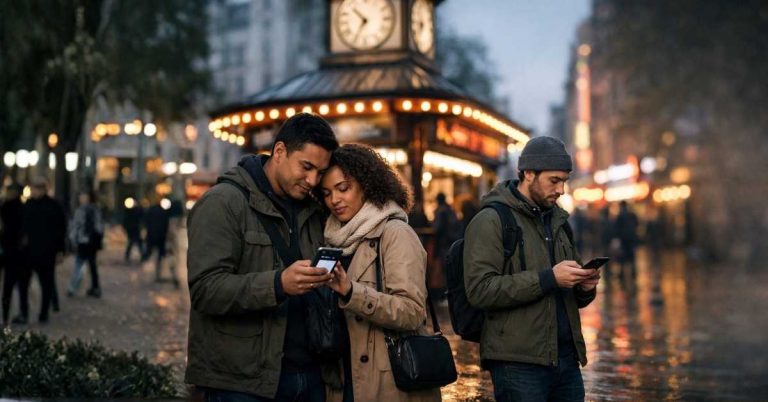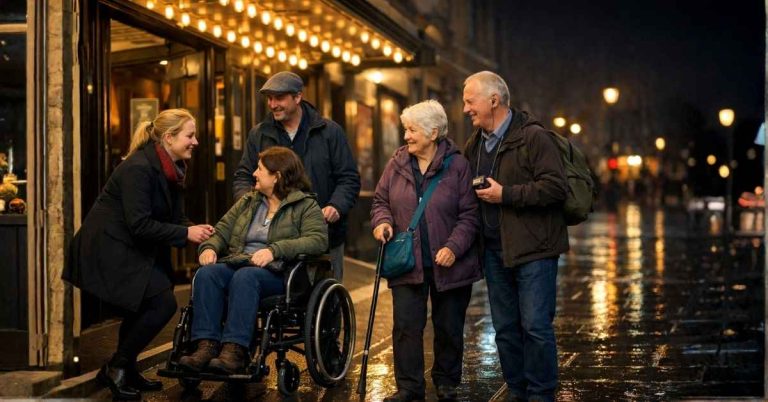

What to Wear to a West End Musical: Dress Code, Weather and Practical Tips
Planning a West End musical night should feel exciting, not stressful. Most venues lean smart-casual, but comfort, weather, and timing matter more than strict fashion rules. This guide helps you dress confidently for London conditions, choose practical shoes and layers, and avoid common mistakes that can spoil the experience easily.
Quick Answer — What Do People Actually Wear to West End Musicals?

You can wear almost anything neat and comfortable. That’s the real-world standard across most West End nights, whether you’re going to a weekday performance or a Saturday evening show.
If you want a safe default, think smart casual: clean jeans or tailored trousers, a blouse or shirt, and smart shoes you can walk in. A simple dress with a light jacket works just as well. You do not need black tie or a formal gown unless you personally want that vibe.
Formalwear is optional, not required. Most people dress to feel polished but practical, especially because London weather and pre-show walking matter more than strict fashion rules.
Easy baseline outfit ideas:
- Classic smart-casual: dark jeans, button-down shirt, lightweight knit, loafers or clean leather trainers.
- Simple and polished: midi dress or wide-leg trousers, blouse, ankle boots, compact coat.
- Desk-to-theatre: work outfit plus one upgrade piece (blazer, statement earrings, or better shoes).
30-second micro checklist before you leave:
- Comfort: Can you sit for a full show plus interval without fussing?
- Layers: Do you have one removable layer for warmer indoor temperatures?
- Weatherproofing: Is your outer layer rain-ready for London streets?
- Walkable shoes: Can you comfortably walk 20–30 minutes if needed?
- Venue rules: Is your bag size and what you’re carrying appropriate for theatre entry policies?
If you’re comparing show dates and planning your outfit around weather and timing, check options on musicalsandtickets.co.uk first, then dress for the forecast and your route.
Is There a Dress Code for West End Theatres?
The Myth vs Reality
Myth: “You need black tie.”
Reality: West End theatres do not operate under one universal formal dress code. In most cases, neat and comfortable smart-casual clothing is completely acceptable. Specific venues or productions can set their own expectations, so any exceptions are usually defined on the theatre or show page, not by a city-wide rule.
What “Smart Casual” Means in Practice
Smart casual is the easiest and safest standard because it balances style, comfort, and practicality for London weather and pre-show walking.
- Men: chinos or dark jeans, knit/polo/button-up shirt, and clean trainers or loafers.
- Women: dress or tailored trousers, knit or blouse, with ankle boots or flats.
- Gender-neutral options: tailored trousers, overshirt or structured layer, and elevated sneakers.
If you’re unsure, use this quick formula: one polished base + one practical layer + one walkable shoe.
When to Dress Up More
You may notice dressier outfits on gala nights, opening nights, press-heavy performances, holiday shows, or personal celebration evenings. That said, this is a social trend, not a strict requirement. You can absolutely dress up if you want the full occasion feel, but you won’t normally need formalwear to fit in.
A practical approach is to choose a smart-casual base and add one elevated detail (for example, a blazer, statement accessory, or sharper footwear).
London Weather Reality Check Before You Dress

Why Forecast + Warning Checks Matter
Before you choose your outfit, check the same-day London city forecast and the UK weather warnings. In practice, this prevents the classic West End mistakes: the wrong coat, wet shoes, or no rain layer when conditions shift in the evening.
Use a simple routine: check the morning forecast, re-check 2–3 hours before leaving, then scan warnings again before transport. The warnings page provides a practical 7-day horizon, so you can plan ahead if your show is later in the week.
Seasonal Climate Snapshot for Outfit Planning (London/Heathrow averages)
Long-term London/Heathrow averages show why layering works year-round:
- Winter: average highs around 8–9°C, lows around 2–3°C.
- Spring (Mar–May): average highs rise from about 12°C to 18°C.
- Summer (Jul–Aug): average highs around 22–24°C.
- Autumn: average highs around 20°C in September, dropping to about 11°C in November.
Rain is a year-round factor, with wetter autumn/early winter monthly totals commonly around 65–67 mm in October and November. So even “nice” days still deserve a weather-ready plan.
The “Cold Outside, Warm Inside” Problem
West End comfort is about thermal control, not just style. Streets and stations can feel cold and damp, while theatre interiors often feel much warmer once seated. To avoid overheating, use a breathable base layer, add a removable mid-layer (light knit or overshirt), and choose a lighter weatherproof coat instead of heavy bulk.
Quick formula: base you can breathe in + mid-layer you can remove + outer layer that blocks wind/rain + walkable shoes with grip.
Outfit Formulas by Season
If you want a no-stress way to dress for a West End musical, use seasonal formulas instead of reinventing your outfit every time. The goal is simple: stay comfortable outside, polished inside, and ready for walking, queues, and changing temperatures.
Winter (Dec–Feb)
Formula: thermal base + knit + tailored coat + waterproof ankle boots.
- Start with a thin thermal or heat-retaining base layer that won’t add bulk.
- Add a breathable knit you can keep on comfortably during the show.
- Choose a tailored wool or insulated coat that looks smart but is easy to manage in your seat.
- Finish with waterproof ankle boots that have grip for wet pavements.
Optional extras: compact scarf and light gloves that fit in your bag.
Avoid: oversized puffer layers or heavy pieces you can’t store comfortably once indoors.
Spring (Mar–May)
Formula: trench or light wool coat + shirt/knit + trousers or midi skirt.
- Spring evenings can cool down quickly, so keep one reliable top layer.
- Use lightweight layers that handle both sunshine and chill after dark.
- Smart trousers or a midi skirt keep the look polished without feeling overdone.
Must-carry item: a compact umbrella. It solves 90% of spring surprise showers.
Summer (Jun–Aug)
Formula: breathable fabrics + light overshirt/blazer + practical shoes.
- Choose cotton or linen-blend pieces that breathe well during warm travel and pre-show walks.
- Add a light overshirt or blazer for cooler indoor air conditioning.
- Pick closed-toe shoes on unsettled weather days, or supportive sandals when conditions are dry and stable.
Tip: summer style works best when your base layer is airy and your top layer is minimal but intentional.
Autumn (Sep–Nov)
Formula: water-resistant outer layer + knit + trousers + grippy shoes.
- Autumn in London often means mixed conditions, so water resistance is more useful than heavy insulation.
- A medium-weight knit is usually enough for evening comfort.
- Trousers are practical for wind, damp benches, and longer walks between transport and theatre.
Priority: shoe traction. Wet pavements are where outfit plans fail fast.
When you book your show on musicalsandtickets.co.uk, pair your performance time with the latest weather check and pick the seasonal formula above. That one habit makes your theatre night smoother, drier, and far more comfortable.
Shoes Matter More Than the Outfit

West End Reality
Your shoes can make or break the night. In real West End conditions, you may walk from the Tube, cross busy theatre streets, stand in entry lines, and add a dinner stop before curtain. That means comfort and stability are not “nice to have” details — they are part of your theatre plan.
Many venues are built across multiple levels, with stair access between foyers, circles, bars, and seating rows, so steady footwear is a practical advantage. At Shaftesbury Theatre, guidance explicitly notes there are several staircases and recommends sensible footwear.
Build your look from the ground up: pick shoes first, then style the outfit around them.
Best Shoe Types
- Smart waterproof ankle boots: ideal for rainy pavements, evening chill, and polished photos outside the theatre.
- Loafers with grip: clean, elevated, and easy for mixed plans (dinner + show + walk).
- Supportive fashion sneakers: best for long walking routes, matinees, and travel-heavy days while still looking theatre-appropriate.
Quick fit test: if you cannot comfortably walk 20–30 minutes in them, they are not West End shoes tonight.
Shoes to Avoid
- Brand-new stiff shoes: high blister risk before interval even starts.
- Unstable heels on wet streets: tricky on slick pavements and theatre stairs.
- Flat soles with no traction: poor grip in rain and crowded entry areas.
If you want the easiest decision flow, choose stable shoes first, then match trousers, dress, or outerwear to that base. It saves time, reduces stress, and keeps the full evening comfortable from departure to final curtain.
Outerwear, Bags, and What You Can Actually Bring Inside
Bag Size and Luggage Constraints
Bag rules are not the same across all West End theatres, so always treat each venue as its own policy zone. One theatre may allow only small day bags, while another may refuse larger backpacks or luggage entirely.
Real policy example: one major West End venue states it cannot store bags larger than 35(W) × 17(D) × 42(H) cm (roughly a standard rucksack size), and suitcases are not allowed in the auditorium.
Another venue policy states there is no cloakroom and only small bags/coats that fit under your seat are permitted. In practice, oversized luggage may be refused at entry or redirected to off-site storage options.
Security Checks and Entry Flow
Expect bag checks at many theatres. Security screening is a normal part of entry, especially for evening performances and high-demand shows.
For faster entry, pack light: bring only essentials such as phone, wallet, keys, medication, and a compact umbrella. Avoid large shopping bags and bulky backpacks when possible.
Coat Strategy
Choose one coat you can comfortably manage in your seat area. The most practical option is a weather-ready coat that is light enough to fold on your lap or place neatly by your seat without taking extra space.
If cloakroom options are limited or unavailable, a compact outer layer becomes even more important. A smart approach is light-to-midweight outerwear + a removable mid-layer, so you stay warm outside but comfortable once you are seated indoors.
Timing and Etiquette That Influence Clothing Choices
Arrive Early, Not Flustered
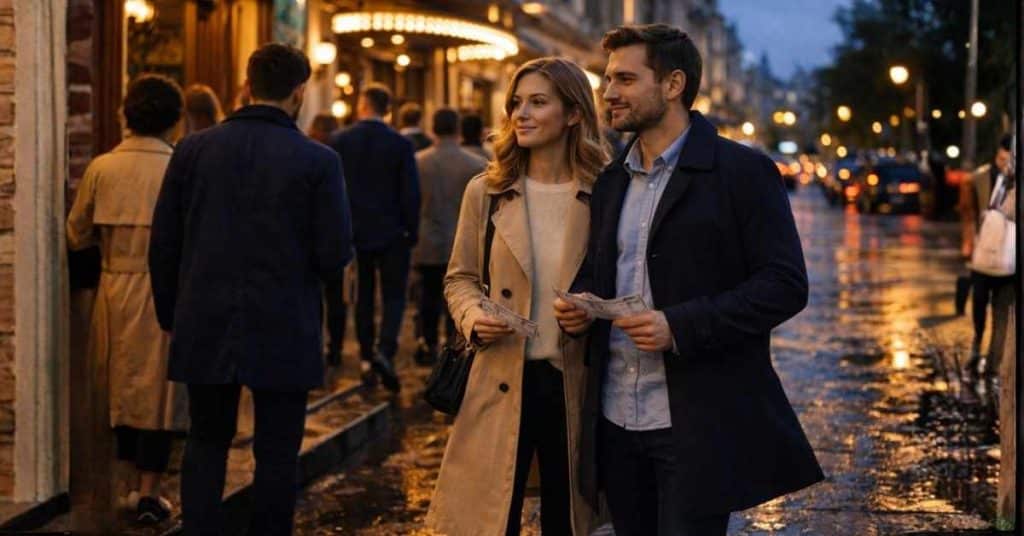
Timing has a direct impact on comfort and confidence. Some major West End productions advise arriving well before curtain time, and in certain cases around 60 minutes early is recommended because of security checks and entry queues.
Late arrival can also affect your viewing experience. At some theatres, latecomers are admitted only at a suitable break, which can mean missing opening scenes or being seated later than planned. That is why practical clothing matters: shoes you can walk in quickly, layers you can adjust fast, and a bag that does not slow you down at entry.
Food, Drink, and Spills
Food and drink rules vary by venue, especially for outside purchases and alcohol, so your outfit should be easy to manage in real conditions. Stain-friendly fabrics, darker tones, and low-maintenance materials reduce stress if you are carrying drinks at interval or moving through crowded foyers.
The goal is simple: wear pieces that stay comfortable and presentable from pre-show to final curtain, without constant adjustments.
Phone/Filming Rules
Phone etiquette is part of theatre etiquette. During performances, phones are expected to be silent or off, and filming restrictions are common across West End venues.
A hands-free outfit helps: use a small crossbody bag or secure pockets so you can put your phone away quickly and keep your focus on the show. Less clutter, fewer distractions, better experience.
What to Wear by Show Type and Time Slot
Not every West End plan has the same pace. A family matinee, a date night, and a birthday group all create different comfort needs. Use these ready-to-wear formulas so your outfit fits the schedule, the weather, and the vibe.
Family Matinee
Focus: comfortable smart-casual, easy movement, weatherproof outerwear.
- Base: soft knit or cotton top + jeans/chinos or relaxed tailored trousers.
- Layer: light waterproof jacket or trench you can remove indoors.
- Shoes: supportive trainers, loafers, or flat ankle boots with grip.
- Why it works: easy for walking, queues, stairs, and helping kids without constant outfit adjustments.
Quick formula: neat basics + rain-ready layer + shoes you can stand in.
Date Night Evening Show
Focus: elevated smart-casual with one statement piece + practical footwear.
- Base: clean, polished outfit (dress, tailored trousers, or dark denim with a sharp top).
- Statement piece: blazer, standout coat, refined jewelry/watch, or a structured bag.
- Shoes: stable heeled boots, loafers, or sleek sneakers that still handle wet pavement.
- Why it works: you look dressed for the occasion without sacrificing comfort on the way there.
Quick formula: one dressy element, everything else wearable.
Group Celebration / Birthday
Focus: dressier look with comfort safeguards (layering + good shoes).
- Base: occasion-ready outfit in breathable fabric (so you stay comfortable indoors).
- Layering: removable mid-layer to manage temperature swings from street to auditorium.
- Shoes: party-appropriate but stable; avoid brand-new pairs.
- Why it works: photos look great, and you still survive standing, walking, and post-show plans.
Quick formula: celebration style + backup comfort plan.
Tourist Day-to-Night Plan
Focus: one outfit that works for sightseeing + dinner + theatre.
- Base: wrinkle-resistant top + tailored jeans/trousers or a midi dress.
- Outerwear: compact weatherproof layer for changing London conditions.
- Shoes: all-day walkable pair that still looks polished at dinner and theatre.
- Accessories: small crossbody, compact umbrella, and a lightweight scarf if needed.
- Why it works: no outfit change required, less luggage stress, smoother evening flow.
Quick formula: travel-comfort base + smart finishing layer.
Practical Outfit Checklists
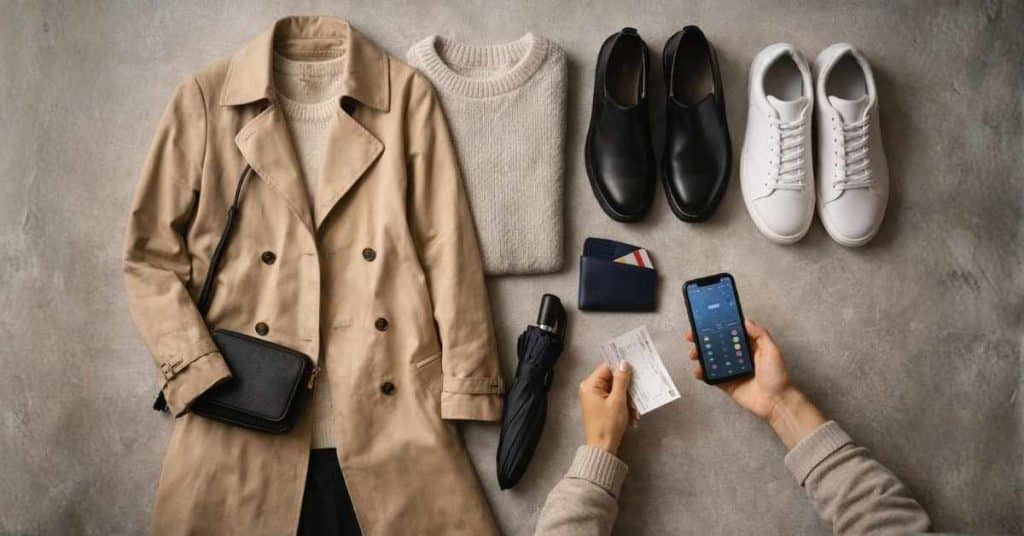
Use these two checklists to remove last-minute stress and avoid common West End mistakes like wet shoes, oversized bags, or missed entry timing.
24-Hour Pre-Show Checklist
- Forecast checked: Confirm temperature, rain chance, and evening conditions.
- Warning status checked: Review any weather alerts that could affect travel time.
- Bag size checked on venue page: Make sure your bag meets the theatre’s entry policy.
- Shoes tested for 20–30 min walk: Do a real comfort test at home or outside.
- Transport route saved: Save your Tube/taxi route and a backup option.
Pro move: Lay out your full outfit the night before (including coat, socks, and umbrella) so you are not decision-making under time pressure.
Last-Minute “I’m Leaving in 15 Minutes” Checklist
- Put on a removable layer.
- Wear dry shoes with grip.
- Take a small bag only.
- Add a backup umbrella.
One-line script: “Layer + dry shoes + small bag + backup umbrella.”
Capsule Examples You Can Copy
These mini lookbooks are built for fast decisions: fewer items, more combinations, and enough flexibility for weather shifts, walking, and different West End plans.
Women’s Capsule (5 pieces, 3 outfits)
5-piece capsule:
- Dark straight-leg jeans
- Black midi dress (simple silhouette)
- Fine-knit neutral sweater
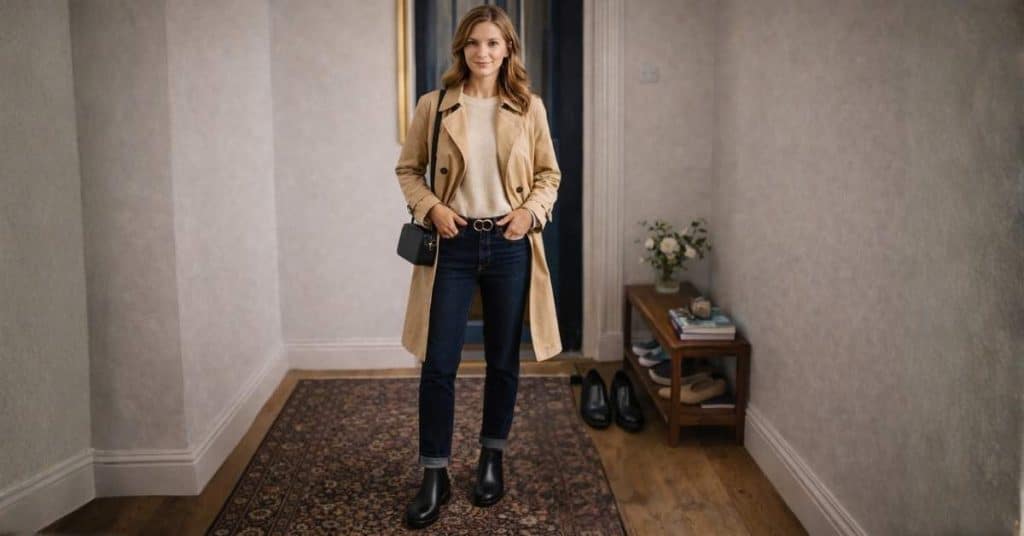
- Weather-resistant trench or tailored coat
- Waterproof ankle boots (or polished flats with grip)
Outfit 1 — Family Matinee:
Dark jeans + fine-knit sweater + trench + ankle boots
Outfit 2 — Date Night Evening Show:
Black midi dress + trench (draped or worn) + ankle boots
Outfit 3 — Tourist Day-to-Night:
Dark jeans + black midi dress worn as a long tunic layer (or sweater over dress) + boots
Why this works: every piece can be layered, all looks are theatre-appropriate, and footwear stays practical for London pavements.
Men’s Capsule (5 pieces, 3 outfits)
5-piece capsule:
- Dark jeans or tailored chinos
- Crisp button-up shirt (white, light blue, or subtle stripe)
- Merino or fine-knit crewneck
- Lightweight structured coat (mac, trench, or wool-blend overcoat)
- Loafers with grip or clean leather sneakers
Outfit 1 — Family Matinee:
Dark jeans/chinos + crewneck + structured coat + leather sneakers
Outfit 2 — Date Night Evening Show:
Button-up shirt + dark jeans/chinos + structured coat + loafers
Outfit 3 — Group Celebration:
Button-up + crewneck layered on top + chinos + loafers
Why this works: it reads polished without feeling formal, and each item handles walking, stairs, and indoor heat better than heavy occasionwear.
Gender-Neutral Capsule (6 pieces, 4 outfits)
6-piece capsule:
- Tailored trousers (black/charcoal/navy)
- Dark straight-leg jeans
- Minimal monochrome top (tee or fine long-sleeve)
- Overshirt or soft-structured blazer
- Water-resistant outer layer (trench/mac/light coat)
- Elevated sneakers or smart ankle boots with traction
Outfit 1 — Matinee Practical:
Dark jeans + minimal top + overshirt + elevated sneakers
Outfit 2 — Evening Smart-Casual:
Tailored trousers + minimal top + soft blazer + smart boots
Outfit 3 — Rain-Ready Theatre Night:
Tailored trousers + minimal top + water-resistant outer layer + traction shoes
Outfit 4 — Tourist One-Look Day:
Dark jeans + minimal top + overshirt + water-resistant coat + elevated sneakers
Why this works: clean silhouettes, easy layering, and footwear-first practicality keep the look sharp while staying realistic for full-day movement.
Pick the capsule first, then swap one item for mood: a bolder top, a sharper shoe, or a statement coat. You keep the structure, but the outfit still feels personal.
Budget-Smart Advice
How to Look Theatre-Ready Without Buying New Clothes
You do not need a new outfit for a West End musical. A polished theatre look usually comes from smart styling, not new spending. Use what you already own, refine one detail, and weatherproof the plan.
Closet-first combinations (fast formulas):
- Formula 1: dark jeans + clean shirt/blouse + structured outer layer + polished shoes.
- Formula 2: simple midi dress (or tailored trousers + knit) + compact coat + ankle boots/flats.
- Formula 3: monochrome base (all black/navy/grey) + one texture contrast (wool, satin, leather).
Quick upgrade rule: keep 90% of the outfit basic, then sharpen 10% with fit, pressing, and clean shoes.
One upgrade accessory strategy:
- Pick one hero item only: statement earrings, a sleek belt, a structured bag, a refined watch, or a sharp scarf.
- Do not stack multiple “loud” accessories. One focal point looks intentional and more expensive.
- If your outfit is simple, choose a stronger accessory. If your outfit already has texture/pattern, choose a minimal accessory.
Weatherproofing hacks that cost less than a new outfit:
- Comfort insoles: add cushioning to loafers/boots so they stay wearable for Tube + theatre walking.
- Foldable rain shell: ultralight waterproof layer that fits in a small bag and protects your look in sudden rain.
- Grip check: clean shoe soles and avoid slick pairs on wet pavements.
- Anti-friction prep: blister patches in your bag are cheaper than replacing painful shoes.
- Wrinkle reset: steam or hang clothes in a warm bathroom before leaving for a cleaner finish.
Budget truth: fit, cleanliness, and weather readiness beat new purchases every time. If the outfit is comfortable, neat, and practical for rain and walking, you are theatre-ready.
Common Mistakes to Avoid
Most West End outfit regrets come from five predictable errors. Avoid these, and your night feels smoother from door to final curtain.
-
Overdressing for social media but underdressing for weather
Looking great in photos is fine, but if you are cold, damp, or uncomfortable, the night drags. Build the outfit around real conditions first, then add one polished detail. -
Ignoring rain and wind
London weather can shift quickly, especially in the evening. A compact rain layer, weather-ready outerwear, and shoes with grip prevent last-minute stress. -
Wearing untested shoes
New or stiff shoes can turn a short walk into a painful one. Test your pair on a 20–30 minute walk before show day. -
Bringing oversized bags
Many theatres have strict entry and bag policies. Large bags slow security checks and may be refused, so carry only essentials in a compact bag. -
Arriving just-in-time and getting held at late seating
If you cut timing too close, you may miss opening scenes while waiting for a suitable break in the performance. Aim to arrive early and keep your outfit entry-friendly.
Simple rule: comfort + weather readiness + small bag + early arrival beats a “perfect” outfit that fails in real conditions.
FAQ

Is there a dress code for West End musicals?
In most cases, there is no strict universal dress code across the West End. The practical standard is neat, comfortable smart-casual clothing. You do not need black tie, and you usually will not be turned away for wearing simple, polished everyday pieces. That said, rules can vary by theatre and production, especially for special events or gala nights. The safest approach is to wear something tidy, weather-appropriate, and easy to sit in for a full performance, then check your specific venue page for any exceptions before you leave.
Can I wear jeans to a West End show?
Yes, you can usually wear jeans to a West End musical. Dark, clean, well-fitted jeans are the easiest choice because they look polished without feeling formal. Pair them with a blouse, shirt, knit, or blazer and practical shoes, and you will fit in comfortably at most performances. Avoid ripped, very distressed, or sloppy styles if you want a safer smart-casual look. Think “put together, not overdone.” If you are unsure, upgrade one item—like shoes or outerwear—and keep the rest simple and comfortable for walking and sitting.
Do people wear trainers to the theatre in London?
Yes, many people do wear trainers, especially clean, minimal, fashion-forward pairs. London theatre nights often include walking between stations, restaurants, and venues, so supportive footwear is practical. The key is choosing trainers that look intentional: clean surface, neutral color, and no heavy gym-worn appearance. If the weather is wet, prioritize grip and water resistance over style alone. You can keep the outfit theatre-appropriate by balancing trainers with smarter pieces like tailored trousers, a dressier coat, or a structured top layer. Comfort and polish can absolutely coexist.
Is formalwear expected for evening performances?
Usually, no. Evening performances may feel dressier than daytime matinees, but formalwear is still optional for most shows. Many guests choose elevated smart-casual: darker colors, cleaner silhouettes, and one refined detail such as a blazer, statement jewelry, or smarter shoes. You can dress up if it is a date night, birthday, or special occasion, but there is rarely a hard requirement for suits, tuxedos, or cocktail gowns. The best strategy is to match your personal style to the event mood while staying comfortable enough for travel, queues, and a full seated show.
What should I wear in winter for a London musical night?
Use a layered system: breathable base, warm mid-layer, weather-ready outer layer. A good winter formula is thermal top, knit, tailored coat, and waterproof ankle boots with traction. Add compact gloves and a scarf if temperatures drop, but avoid bulky pieces you cannot manage once indoors. The common mistake is dressing only for outside cold and then overheating in the auditorium. Choose layers you can remove easily and shoes that stay stable on damp pavements. If rain is possible, bring a compact umbrella and keep your bag small so entry feels faster and less stressful.
Are theatres cold or warm inside?
Most people find theatres warmer than expected once seated, especially when the audience fills in and coats stay on laps or under seats. You may feel chilly outside, then too warm inside within 15–20 minutes. That is why adaptable layering matters more than heavy single pieces. Wear a breathable base and a removable mid-layer instead of one thick sweater or oversized coat. If you run warm, choose lighter fabrics and avoid heavy synthetic layers. If you run cold, add a compact scarf you can remove quickly without disturbing people around you.
Can I wear fancy dress to themed shows?
Sometimes, but do it thoughtfully. For themed performances, fans may wear playful outfits, yet full costume looks are not always ideal for shared seating. Avoid large props, oversized headwear, masks, flashing accessories, or anything that blocks sightlines and distracts others. Keep it respectful, comfortable, and venue-friendly. A safer option is “inspired dressing”: color palette, subtle character references, or one themed accessory rather than full cosplay. If you want to go bigger, check the production’s event guidance first. Your outfit should add fun without creating security, comfort, or etiquette problems.
What bag size is usually acceptable?
There is no single West End bag rule, so think small and practical. A compact crossbody, small backpack, or handbag that fits under your seat is usually the safest choice. Many venues limit large bags and may refuse oversized luggage for security and space reasons. As a rough benchmark, some theatres publish dimensions close to standard day-bag size (around small rucksack range), while others require even less. Pack essentials only: phone, wallet, keys, medication, compact umbrella. Smaller bag equals faster checks, easier seating, and less stress at entry.
Can I bring a suitcase to the theatre?
Usually, no—or at least, it is risky. Many West End theatres do not allow suitcases inside the auditorium and may not have storage capacity for large luggage. Even where policies vary, bringing a suitcase can delay entry and create avoidable hassle. If you are coming straight from travel, use left-luggage services before the show. Plan your theatre kit as a compact essentials bag instead. This is one of the easiest ways to avoid being turned away at the door and to move through security and seating quickly, especially on busy evenings.
How early should I arrive before curtain?
Aim for at least 30 minutes early as a baseline, and 45–60 minutes early for popular productions, weekends, or busy seasons. Entry queues, bag checks, and finding your row can take longer than expected, especially if you have children or mobility needs. Early arrival also gives you buffer for transport delays, weather, and bathroom or refreshment stops before the show begins. If you want a smooth, unhurried evening, confirm showtime in advance on musicalsandtickets.co.uk, then set a realistic arrival target based on venue policy and your route.
What happens if I arrive late?
Late entry policies vary, but many theatres hold latecomers until a suitable break in the performance. That can mean missing opening scenes and sometimes being seated temporarily in a different area until an interval or transition point. In other words, “just-in-time” timing can cost you part of the experience you paid for. To reduce risk, travel with buffer, keep your bag light for faster checks, and choose shoes that let you move quickly and safely. A calm early arrival almost always beats a rushed entrance and delayed seating.
Can I bring outside food and drinks?
It depends on the theatre. Some venues restrict outside food and alcohol, while others are more flexible with small snacks or sealed soft drinks. Because policies differ, check your specific venue rules before arriving rather than assuming. From a clothing perspective, choose low-maintenance fabrics that can handle accidental drips during interval or crowded foyer movement. Darker tones and easy-care materials are practical insurance. If you want the least friction, plan to buy refreshments inside where permitted and keep your outfit simple, stain-aware, and easy to move in.
Are theatres cashless?
Many West End theatres and in-venue bars are now cashless or strongly card-preferred, but not every venue operates identically. The safe approach is to carry a payment card or mobile wallet and treat cash as backup, not primary. If you are traveling, make sure your card works for contactless transactions in the UK and keep a second payment option in case of app or battery problems. This is a small detail that prevents unnecessary stress during interval and helps the evening run smoothly from entry to final curtain.
What shoes are best for rainy West End nights?
The best rainy-night shoes combine grip, stability, and weather resistance. Top options are waterproof ankle boots, loafers with traction soles, or supportive leather-style trainers with good tread. Avoid slick soles, very high unstable heels, and brand-new stiff shoes you have not tested. West End routes often include wet pavements, station stairs, and queue time, so comfort matters as much as style. Do a quick 20–30 minute walk test before show day. If your feet survive that comfortably, your shoes are theatre-ready for a rainy London evening.
What should kids wear to a matinee?
Dress children in comfortable smart-casual layers they can easily adjust. A practical formula is soft top, lightweight knit, comfortable trousers or leggings, and a weatherproof jacket. Shoes should be secure, broken in, and suitable for stairs and short walks. Avoid itchy fabrics, complicated fastenings, and anything too warm for indoor seating. Bring only essentials in a small bag to simplify entry checks. The goal is simple: clothing that lets kids sit comfortably, move quietly, and enjoy the show without constant outfit fixes or temperature complaints.
What’s the safest “default” outfit if I’m unsure?
Use this no-fail template: dark jeans or tailored trousers, clean top (shirt/blouse/fine knit), light weather-ready coat, and walkable smart shoes with grip. Add one polished detail—structured bag, blazer, or subtle accessory—and stop there. This formula works for most matinees and evening performances because it balances comfort, neatness, and practicality. Keep your bag small, check venue rules, and bring a compact umbrella if rain is possible. If you are uncertain about timing, confirm your performance details on musicalsandtickets.co.uk and dress for the route, not just the photo.