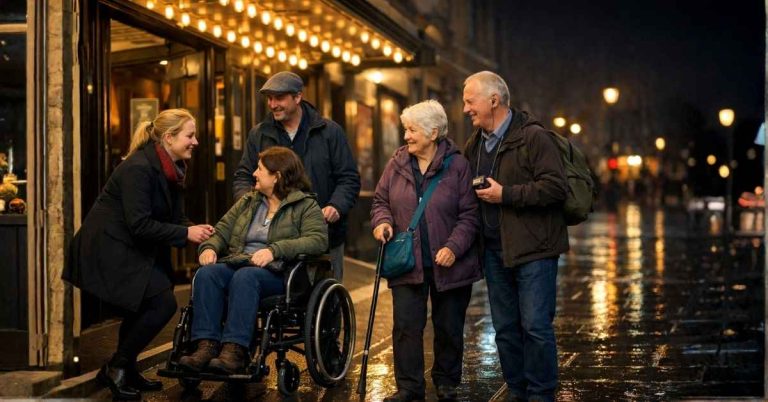

West End Theatre Etiquette: 20 Dos and Don’ts for a Great Night Out
A great West End night is not about dressing fancy or memorizing rigid rules. It is about shared respect, smooth planning, and small choices that protect everyone’s experience. This guide breaks down 20 practical dos and don’ts, so you can arrive confident, avoid awkward mistakes, and enjoy every minute fully.
How West End Etiquette Actually Works

Not “formal” — but still structured
West End etiquette is often misunderstood. It is not mainly about dressing in formalwear; it is mainly about how you behave in a shared performance space. You can usually wear neat smart-casual clothing and feel completely appropriate. The real standard is conduct: arriving on time, staying quiet during scenes, keeping your phone away, and respecting sightlines and personal space.
Think of it as two separate layers:
- Dress formality: flexible, personal, and usually relaxed (neat and comfortable is enough).
- Behaviour standards: consistent and non-negotiable, because your actions affect everyone around you.
So if you are deciding where to focus effort, prioritize behaviour first and outfit second. A simple outfit with excellent etiquette always works better than a perfect outfit with disruptive habits.
Why rules feel stricter than cinema
Theatre etiquette can feel stricter than cinema for one simple reason: live performance is more fragile. In a film screening, sound is pre-recorded and fixed. In a theatre, actors are performing in real time, and every cough, conversation, ringtone, bright screen, or rustling bag competes with live voices and musical detail.
Three factors make this more noticeable:
- Live performers: distractions can break concentration on stage and in the audience.
- Acoustic environment: theatres are built so subtle sounds carry, which means audience noise carries too.
- Seated proximity: you are physically close to other guests, so small disruptions feel bigger, faster.
That is why West End etiquette is structured: it protects the quality of the show for everyone in the room. For a smoother night, confirm performance time early on musicalsandtickets.co.uk, build a time buffer, and arrive settled instead of rushed.
The 20 Dos and Don’ts (Core Section)
Use these quick numbered cards before every West End night. Each one gives you the rule, why it matters, and one practical way to apply it immediately.
Before You Leave Home (1–4)
1) Do check your specific theatre’s entry rules before travel
Why it matters: Entry procedures, bag limits, and late-seating handling can vary by venue and production.
Practical example: The day before the show, open the venue’s “Your Visit” page and confirm bag policy, arrival recommendation, and age guidance.
2) Don’t assume one venue’s rules apply everywhere
Why it matters: The habit of “it was fine last time” causes most avoidable entry stress.
Practical example: Even if a previous theatre allowed your backpack, verify today’s theatre policy before leaving your hotel or home.
3) Do plan to arrive early (not at curtain time)
Why it matters: Security queues and seat-finding can take longer than expected, especially on busy nights.
Practical example: Target arrival 45–60 minutes early for high-demand shows; use your booking details from musicalsandtickets.co.uk to set a realistic departure time.
4) Don’t build a schedule that gets you to the door last minute
Why it matters: Tight schedules increase the chance of late seating and missing opening scenes.
Practical example: If dinner is part of the plan, choose an earlier reservation and keep a 30-minute travel buffer after paying the bill.
Bags, Security, and Entry (5–8)

5) Do bring one small, easy-to-search bag
Why it matters: Smaller bags move faster through security and reduce seating clutter.
Practical example: Pack only essentials: phone, wallet, keys, medication, compact umbrella, and tissues.
6) Don’t bring large luggage or bulky backpacks
Why it matters: Oversized items may be refused or create delays at entry.
Practical example: Store suitcases at left-luggage services before the show instead of arriving with travel bags.
7) Do keep ticket/QR code ready and cooperate with checks
Why it matters: Smooth scanning keeps the whole queue moving and lowers stress for everyone.
Practical example: Open your e-ticket before joining the line, increase screen brightness, and keep your ID/payment method accessible.
8) Don’t carry prohibited items or argue at security point
Why it matters: Security staff follow venue policy, and arguments slow entry for the full audience.
Practical example: If an item is not permitted, use the suggested alternative calmly (cloakroom, disposal, or external storage).
Phones, Cameras, and Noise (9–12)
9) Do put your phone fully on silent and out of sight
Why it matters: Screen light and notification sounds distract both audience and performers.
Practical example: Activate silent mode before the lights dim and place your phone in a zipped pocket or bag compartment.
10) Don’t film, photograph, text, or scroll during performance
Why it matters: Filming and glowing screens disrupt sightlines and break immersion in live scenes.
Practical example: If you want a memory photo, take it only where and when venue policy allows (typically before show, interval areas, or after curtain in designated moments).
11) Do keep reactions natural (laugh, clap) and conversations for interval
Why it matters: Audience energy is welcome, but side-talk carries farther in theatres than people expect.
Practical example: Save commentary like “that scene was amazing” for intermission instead of whispering throughout Act 1.
12) Don’t talk through scenes or sing along unless the show explicitly invites it
Why it matters: Uninvited singing/talking competes with live vocals and annoys nearby rows.
Practical example: If it is not marketed as a sing-along performance, enjoy silently and clap at the right moments.
Seating and Shared Space (13–14)
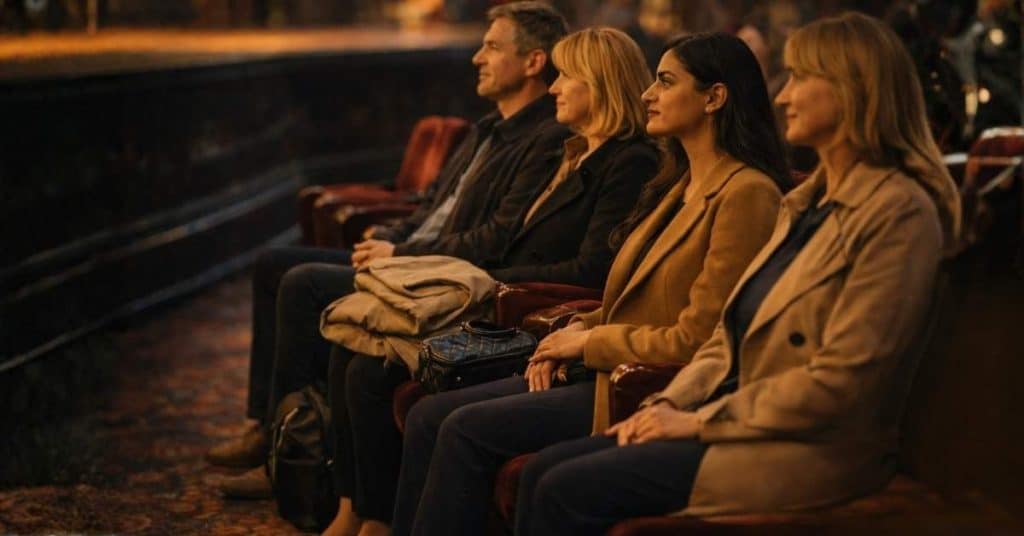
13) Do keep your body, coat, and belongings within your seat footprint
Why it matters: Tight seating layouts require personal space discipline for comfort and safe movement.
Practical example: Fold your coat compactly on your lap or under your knees and keep bags under your seat, not in the aisle.
14) Don’t block sightlines (leaning forward, raised phone, bulky hat/hair in front view)
Why it matters: A small obstruction can ruin key stage moments for people behind you.
Practical example: Sit back during scenes and remove high-profile hats before the show starts.
Food, Drink, and Comfort (15–16)
15) Do follow house food/drink rules and keep wrappers quiet
Why it matters: Noise from packaging and strong smells distract in a shared acoustic space.
Practical example: If snacks are allowed, unwrap items before the act begins and choose low-noise options.
16) Don’t bring outside alcohol/food where prohibited
Why it matters: Ignoring venue rules can delay entry and create avoidable conflict with staff.
Practical example: Check venue policy first and plan refreshments at interval bars if needed.
Families, Timing, and Exit (17–20)
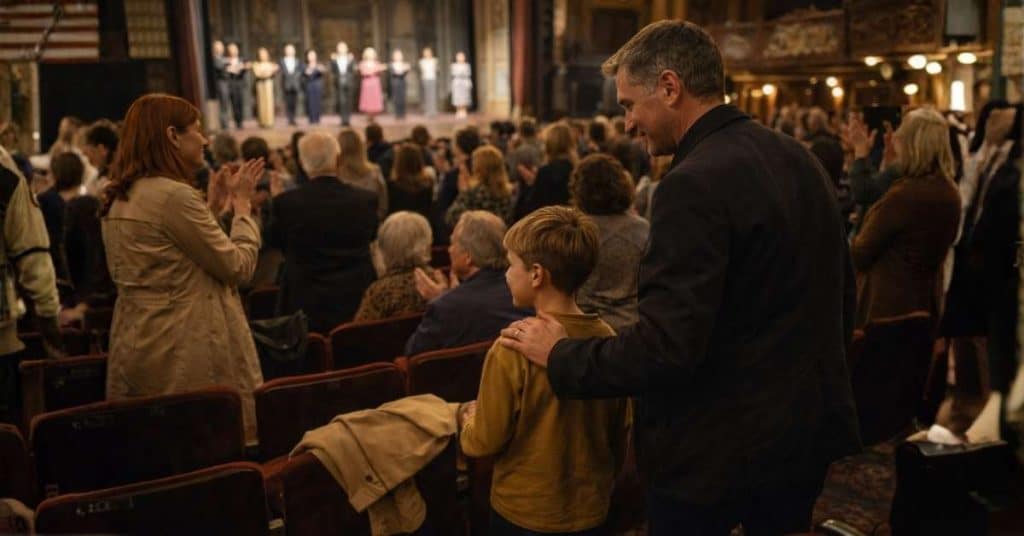
17) Do prep children on theatre behaviour before the show starts
Why it matters: Kids behave better when expectations are clear and repeated calmly.
Practical example: Give a 30-second briefing: “quiet voices, no kicking seats, phone away, we clap at the end of songs.”
18) Don’t ignore age guidance or minimum-age rules
Why it matters: Some productions have strict suitability standards and front-of-house enforcement.
Practical example: Confirm age guidance when booking and choose matinee-friendly shows for younger children.
19) Do return from interval on time and applaud at bows
Why it matters: Late return disrupts rows and misses reopening cues; applause supports cast and atmosphere.
Practical example: Head back to your seat when interval call sounds, not after the act restart announcement.
20) Don’t force disruptive exits during key scenes or curtain call (unless necessary)
Why it matters: Frequent mid-scene exits distract the audience and block rows.
Practical example: If you must leave urgently, choose the nearest quiet pause and signal an usher for assistance.
What to Do If Something Goes Wrong
You’re late
Most theatres use late-seating windows, which means you may wait until a suitable break before being admitted. Sometimes you are seated temporarily in a different area until interval. Stay calm, keep your ticket ready, and follow staff instructions immediately. Arguing at the door rarely changes policy and usually wastes the few minutes that could help you enter sooner.
Someone near you is disruptive
Do not escalate directly unless safety requires it. The fastest, lowest-drama solution is discreetly alerting an usher. Use a short factual description: row, seat area, and issue (filming, loud talking, repeated phone use, kicking seats). Staff are trained to handle this quietly and protect the wider audience experience without turning your night into a confrontation.
You feel unwell or need to step out
If possible, leave during a transition moment to minimize disturbance. Keep your belongings compact so you can move quickly, and signal an usher if you need help finding the nearest exit or re-entry guidance. If re-entry is allowed, return at a suitable pause rather than pushing through during a quiet scene.
Family and Group Etiquette Mini-Guide

Kids at matinees
Pre-show briefing script for parents (30 seconds):
- “We use quiet voices during the show.”
- “No phones, no seat kicking, no standing on seats.”
- “If you need toilet or water, tell me and we’ll go at a good moment.”
- “We clap at the end of songs and at the curtain call.”
Bring quiet essentials (tissues, water where allowed, small comfort item) and choose easy layers so kids stay comfortable without constant fidgeting.
Birthday / hen / friend groups
Celebration energy is great in foyers and after the show; during performance, keep it respectful. Designate one person as the “timing lead” to keep the group on schedule from dinner to seats. Use silent mode checks before lights dim, and avoid row-wide chatting during scenes. Big mood, low disruption is the winning formula.
School/teen groups
Set expectations before entry, not after the first warning. Seat etiquette and phone policy should be explicit: phones away, no filming, no commentary during scenes, remain within your seat area. Assign adult supervisors by row cluster for faster intervention and smoother interval return.
Venue Policy Differences You Should Expect
- Bag size and cloakroom availability differ: one theatre may allow compact backpacks; another may restrict bag dimensions and offer limited storage.
- Food/drink policy differs: outside food and alcohol may be restricted or prohibited depending on venue.
- Cashless vs mixed payment differs: some venues are fully cashless, others accept both card and cash in selected points.
- Arrival guidance differs by production/theatre: certain shows request earlier arrival windows due to screening and audience volume.
Practical rule: never rely on memory from a previous visit. Re-check the exact theatre and exact production details each time.
24-Hour Checklist + 15-Minute Exit Checklist
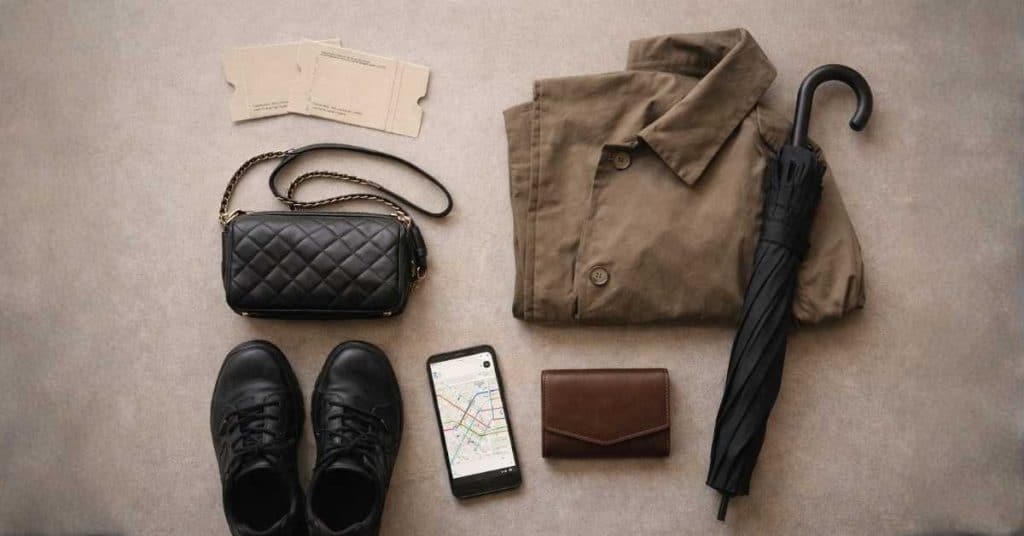
24-hour checklist
- Tickets: confirm date, time, and seat details; screenshot backup copy.
- Transport buffer: plan route plus backup route for delays.
- Venue FAQ: verify entry, late seating, and prohibited items.
- Bag size: switch to a compact bag if unsure.
- Weather: check rain/wind and set layers accordingly.
- Shoe comfort: choose tested shoes you can walk in for 20–30 minutes.
15-minute checklist
- Phone fully silent and out of sight.
- Small bag only; essentials packed.
- Ticket/QR open and ready to scan.
- Layers set for “cold outside, warm inside.”
- Water/refreshment plan based on house rules.
- Route saved with ETA buffer to arrival.
Conclusion

You don’t need to be fancy — you need to be prepared. That is the real secret to a great West End night. A simple, neat outfit, a small bag, quiet phone habits, and good timing will do more for your experience than any “perfect” look ever could.
If you remember one thing, make it this: theatre etiquette is shared respect in action. Arrive early, follow venue guidance, keep distractions low, and you will enjoy more of the show while helping everyone around you enjoy it too.
Final practical move: compare show times and plan your route early using your listings and guide pages on
musicalsandtickets.co.uk. Lock your time, check venue rules, and head out with buffer. Smooth plan, better night, stronger memories.
Frequently Asked Questions
How early should I arrive?
A safe target is 30–45 minutes before curtain, and 45–60 minutes for busy evenings, popular titles, or family groups. That buffer covers security checks, ticket scanning, toilets, refreshments, and finding your row without rushing. If your route includes transfers or peak-time travel, add extra time. The best approach is to confirm your showtime early, then reverse-plan your evening from theatre arrival, not departure. You can compare times first on musicalsandtickets.co.uk, then build a realistic travel buffer.
What if I’m late?
Most theatres do not seat late arrivals immediately. Instead, you may be held until a suitable break in the performance and admitted at staff discretion. In some cases, you might be placed in temporary seats until interval. Stay calm, keep your ticket open, and follow front-of-house instructions quickly. Arguing rarely changes policy and usually delays entry further. If timing looks tight, contact the venue while in transit and head straight to staff on arrival.
Can I bring a suitcase?
Usually, no—or at least it is risky. Many theatres restrict large luggage and may refuse suitcases in the auditorium for safety and space reasons. Even where storage exists, capacity can be limited and not guaranteed. If you are traveling with bags, use a left-luggage service before the show. Arriving with a compact, easy-to-search bag is the lowest-stress option and helps you move through entry checks faster.
Can I take photos at curtain call?
Sometimes, but not always. Many venues prohibit photography and filming during the performance, while some productions may allow quick photos at curtain call if announced. The rule can vary by show, venue, and even cast requests. The safest approach is simple: do not record during the act, listen for official announcements, and follow staff direction in real time. If there is no clear permission, assume photos are not allowed.
Are West End theatres cashless?
Some are fully cashless, others accept mixed payment methods, and policies can differ even within bars, merchandise points, or cloakroom services. Bring a card or mobile wallet as your primary option, and keep cash only as backup. If you are visiting London, make sure contactless is enabled and your phone is charged before the show. Payment friction usually happens at interval, so preparing in advance saves time and queue stress.
Can I bring outside snacks?
It depends on the venue. Some theatres restrict outside food and alcohol, while others are more flexible with small personal snacks. Because policies vary, check your specific theatre’s rules before arrival. If snacks are allowed, choose quiet, low-mess options and avoid noisy wrappers during the act. The etiquette principle is straightforward: follow house policy and keep anything you consume from disturbing people around you.
Is talking quietly okay?
During the performance, no. Even whispering carries in theatre acoustics and can distract nearby rows and performers. Save commentary for interval or after the show. Natural reactions like laughter, applause, and emotional responses are part of live theatre culture; ongoing conversation is not. If you need to communicate during the act, keep it extremely brief and practical, then return to silence immediately.
Do I need to dress up?
Usually not. Most West End audiences wear neat smart-casual outfits rather than formalwear. You can absolutely dress up for date night or celebrations, but it is optional, not required. Prioritize comfort, weather-readiness, and shoes you can walk in. A polished but practical look is the safest choice: clean outfit, manageable layers, and stable footwear. Behaviour etiquette matters far more than black-tie styling.
What if someone is filming near me?
Do not escalate directly unless necessary for safety. The fastest solution is to alert an usher discreetly with specific details: row/seat area and what is happening (filming, bright phone use, repeated talking). Staff can intervene quietly and appropriately. Keeping it factual helps resolve issues quickly without creating a second disruption. You are not being difficult—you are protecting a shared live experience.
Can children attend evening performances?
Often yes, but age guidance and minimum-age policies vary by production. Evening shows can also be long, louder, and more tiring for younger children. Check suitability before booking, then prep kids with a short behaviour briefing before curtain: quiet voices, no seat kicking, no phone use, and ask for breaks calmly. For first theatre experiences, matinees are often the easier starting point.
Is applause during songs okay?
Yes—when it feels natural. Applause after standout songs, major entrances, and at bows is normal and welcome. What to avoid is sustained shouting, talking over dialogue, or clapping that drowns the next line. Read the room: follow audience rhythm and the flow of the performance. Enthusiasm is great; timing is the key to keeping it respectful for everyone.
Can I leave and re-enter during the act?
Usually, you can step out if needed, but re-entry is commonly controlled and may only happen at a suitable pause. That protects sightlines and avoids disrupting key scenes. If you must leave, choose a natural transition moment when possible and ask an usher for the best return timing. Keep your belongings compact so you can move quietly and quickly through your row.